
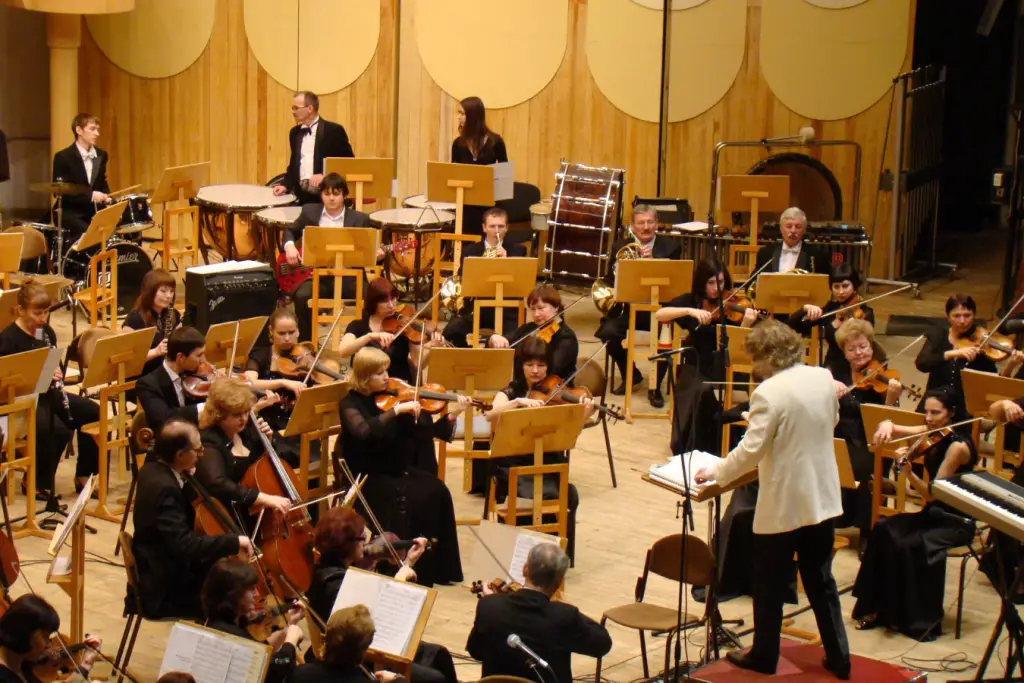
The piccolo, a small but mighty instrument, adds a distinctive flair to both classical and marching band performances. While the instrument itself remains the same, the playing techniques and musical contexts differ significantly between these two settings.
In classical music, piccolo players focus on blending with the orchestra and producing a refined, controlled tone. The classical piccolo emphasizes subtlety, nuance, and precision, often playing delicate melodies or adding high-pitched accents to orchestral pieces. Proper playing techniques are crucial for achieving the desired sound quality and intonation.
Marching band piccolo playing, on the other hand, demands a more robust and projecting sound to cut through outdoor environments. Piccolo players in marching bands need to produce a bright and piercing sound that can be heard clearly amidst other instruments and ambient noise. This style of playing requires greater breath support and volume control to maintain consistency while moving.
Fundamentals of Piccolo Playing
The piccolo, a smaller version of the flute, requires specific techniques for both classical and marching band performances. While sharing core principles, each style demands unique approaches to embouchure, breathing, and fingering.
Classical Piccolo Characteristics
Classical piccolo playing emphasizes tone quality and dynamic control. Players focus on producing a clear, resonant sound across all registers. The embouchure for classical piccolo is typically smaller and more focused than for flute.
Breath support is crucial for maintaining consistent tone and intonation. Classical players often use vibrato to enhance expressiveness, especially in solo passages. Fingering techniques are precise, with attention to smooth transitions between notes.
Dynamic range is wide in classical playing, from delicate pianissimos to powerful fortissimos. Players must master subtle articulations and phrasing to convey musical nuances effectively.
Marching Piccolo Features
Marching piccolo playing prioritizes projection and stability in outdoor settings. The embouchure is often more relaxed to allow for greater air volume and louder dynamics. Players may use a modified grip to maintain instrument stability while marching.
Breathing techniques focus on quick, efficient inhalations to support sustained playing during marching formations. Articulation is typically more pronounced to cut through other band instruments and ambient noise.
Fingering patterns may be adjusted for easier execution while moving. Marching piccolo players often emphasize the upper register for better projection. Vibrato is used sparingly, if at all, to maintain clarity in outdoor acoustics.
Dynamic range is narrower, favoring louder volumes. Marching piccolo parts often feature quick, technical passages that require agile fingering and precise articulation.
Technique and Articulation
Classical and marching piccolo playing require distinct articulation styles and techniques to suit their respective musical contexts. The approach to tonguing, dynamics, and phrasing differs significantly between these two disciplines.
Classical Articulation Styles
In classical piccolo playing, articulation is precise and nuanced. Players use a variety of tongue strokes to create different effects, from legato to staccato. Double and triple tonguing techniques are essential for rapid passages.
Dynamics play a crucial role, with players mastering subtle gradations from pianissimo to fortissimo. Vibrato is used judiciously to add warmth and expression to sustained notes.
Phrasing in classical piccolo emphasizes smooth, connected lines. Players focus on breath control to support long phrases and maintain a consistent tone quality across registers.
Marching Articulation Demands
Marching piccolo playing requires a more forceful and projecting articulation. Players use a sharper tongue attack to cut through the sound of other instruments and be heard across a field.
Dynamics tend to favor louder playing, with less emphasis on subtle variations. The goal is to maintain a strong, clear tone that carries over long distances.
Articulation in marching music often involves more separated notes and shorter phrases. Players must adapt to the rhythmic demands of marching music, emphasizing crisp, precise attacks and releases.
Breath support is crucial for maintaining consistent volume and tone while moving. Players develop techniques to play loudly and clearly while marching in formation.
Performance Contexts and Acoustics
Classical and marching piccolo performances occur in vastly different settings, each with unique acoustic challenges and requirements. These distinct environments shape playing techniques and instrument design.
Classical Performance Venues
Classical piccolo performances typically take place in concert halls or recital rooms. These indoor spaces have controlled acoustics designed to enhance musical sound. Nylon strings on classical guitars produce warm, intimate tones that resonate well in these venues.
Concert halls often feature wooden stages and reflective surfaces that amplify the piccolo’s high-pitched notes. Players must adjust their volume and tone to suit the room’s acoustics.
In chamber music settings, piccolo players balance their sound with other instruments. This requires precise control and awareness of ensemble dynamics.
Marching Environment Dynamics
Marching bands perform outdoors in constantly changing environments. Weather conditions like wind and temperature fluctuations affect the piccolo’s pitch and projection.
Players must produce a louder, more piercing tone to be heard over other instruments and crowd noise. This often requires stronger air support and modified fingering techniques.
Movement while playing adds another layer of complexity. Marching piccolo players must maintain consistent tone and pitch while in motion, often on uneven terrain.
Large open spaces lack the natural reverberation of concert halls. This demands a more direct and focused sound projection from the player.
Piccolo Repertoire and Music Selection
The piccolo’s repertoire spans classical orchestral works and marching band arrangements. Each genre presents unique challenges and opportunities for piccolo players to showcase their skills.
Classical Piccolo Repertoire
The piccolo plays a significant role in many orchestral pieces, often adding brightness and color to the overall sound. Tchaikovsky’s Symphony No. 4 features a notable piccolo solo in the third movement, requiring precise timing and control.
Other important classical works for piccolo include:
- Ravel’s “Bolero”
- Shostakovich’s Symphony No. 5
- Beethoven’s Symphony No. 9
These pieces demand exceptional technical skill and dynamic control from piccolo players. Classical repertoire often requires piccolo players to execute rapid passages and maintain a clear, pure tone in the instrument’s highest register.
Marching Band Arrangements
Marching band music for piccolo differs significantly from classical repertoire. Arrangements typically feature the piccolo prominently, utilizing its piercing tone to cut through other instruments in outdoor settings.
Common characteristics of marching piccolo parts include:
- Frequent doubling of flute melodies an octave higher
- Short, repetitive phrases for easy memorization
- Less focus on extended techniques or extreme dynamics
Marching band piccolo players must adapt to playing while moving, maintaining consistent tone and pitch in various weather conditions. Popular marching band arrangements often include medleys of well-known tunes or original compositions designed to energize crowds at sporting events and parades.