
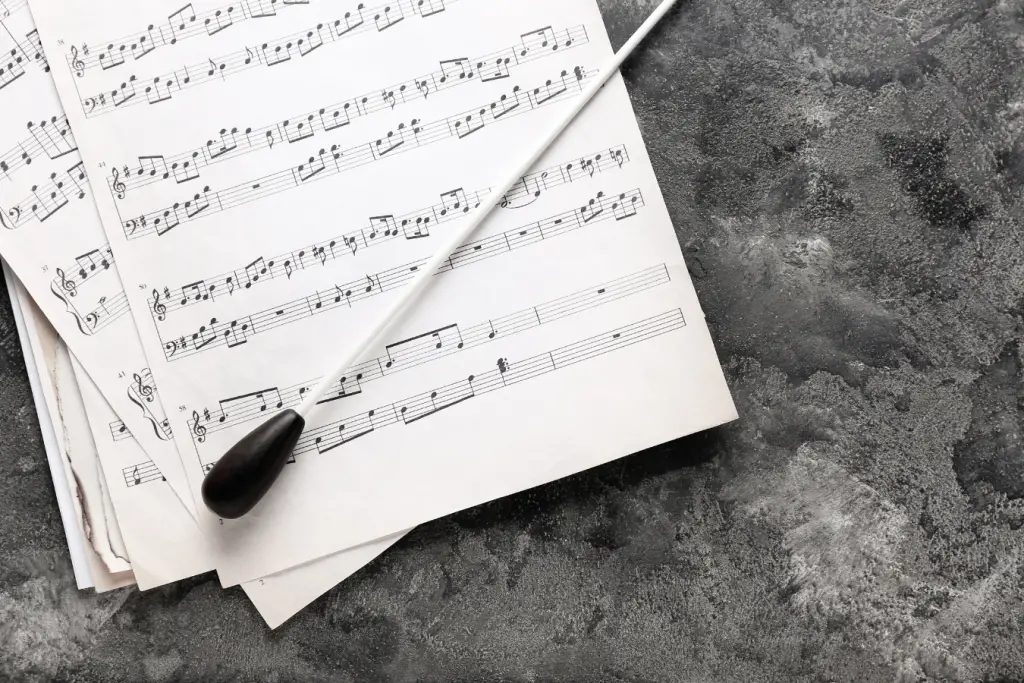
Mastering rhythm on the piccolo requires dedicated practice and a keen ear. The piccolo’s high pitch and unique characteristics can make rhythm challenges more pronounced compared to other instruments. Improving rhythm on piccolo involves consistent metronome practice, focused listening exercises, and playing with recordings or other musicians.
Regular rhythmic exercises can significantly enhance a player’s timing and precision. Starting with slow tempos and gradually increasing speed helps develop a solid foundation. Incorporating varied time signatures and syncopated patterns into practice sessions expands rhythmic versatility.
Playing against a drone pitch can also improve rhythmic accuracy, especially in the upper register. This technique helps players internalize steady pulse while maintaining pitch control. Combining these methods with daily practice builds the technical skills necessary for confident, rhythmically precise piccolo performance.
Understanding Rhythmic Fundamentals
Mastering rhythm on the piccolo requires a solid grasp of fundamental concepts. These building blocks form the foundation for developing precise timing and expressive playing.
Time Signatures and Note Values
Time signatures provide the framework for rhythmic organization in music. They indicate how many beats are in each measure and which note value represents one beat. Common time signatures include 4/4, 3/4, and 6/8.
Note values determine the duration of each sound. Whole notes, half notes, quarter notes, eighth notes, and sixteenth notes are essential to understand. Rests, which represent periods of silence, have corresponding values.
Dotted notes extend a note’s duration by half its original value. For example, a dotted quarter note equals a quarter note plus an eighth note. This concept is crucial for playing complex rhythms accurately on the piccolo.
The Role of the Metronome
A metronome is an invaluable tool for improving rhythm and timing. It provides a steady pulse, helping piccolo players maintain consistent tempo and develop a strong internal sense of rhythm.
Start practicing with slower tempos and gradually increase speed as proficiency improves. This builds a solid rhythmic foundation and prevents developing bad habits.
Use the metronome to work on challenging passages. Set it to click on specific beats or subdivisions to internalize complex rhythms. This technique enhances precision in fast or syncopated sections.
Counting and Subdividing Beats
Counting is a fundamental skill for maintaining rhythm. Vocalize or mentally count beats while playing to stay in time. Use a consistent system like “1-2-3-4” for 4/4 time or “1-2-3” for 3/4 time.
Subdividing beats involves breaking them into smaller units. For eighth notes, count “1-and-2-and-3-and-4-and.” This technique helps navigate more intricate rhythms and maintain steadiness in slower tempos.
Practice clapping or tapping rhythms while counting aloud. This develops coordination between physical actions and mental counting, essential for precise piccolo playing.
Techniques for Improving Rhythm on Piccolo
Mastering rhythm on the piccolo requires focused practice and attention to specific aspects of playing. Key areas to develop include breath control, finger technique, and playing along with backing tracks.
Breath Control and Support
Proper breath support is crucial for maintaining steady rhythm on the piccolo. Players should practice deep breathing exercises to increase lung capacity and control. Diaphragmatic breathing helps produce a consistent airstream, essential for rhythmic precision.
To improve breath control:
- Practice long tones, gradually increasing duration
- Use a metronome to maintain steady airflow
- Experiment with different dynamics while keeping rhythm constant
Breath attacks and releases should be clean and precise. This helps articulate rhythmic patterns clearly, especially in faster passages.
Finger Technique and Articulation
Efficient finger movement contributes significantly to rhythmic accuracy. Players should keep fingers close to the keys and practice moving from the knuckle joints for quick, precise actions.
Exercises to enhance finger technique:
- Scale practice with varied rhythmic patterns
- Arpeggios focusing on smooth transitions
- Trills and grace notes to improve finger agility
Articulation plays a vital role in rhythm. Practice single, double, and triple tonguing to execute various rhythmic patterns accurately. Combine different articulation styles with finger exercises for comprehensive skill development.
Playing with Backing Tracks
Using backing tracks is an effective method to improve overall rhythmic feel. This approach helps piccolo players develop a sense of ensemble playing and staying in time with other instruments.
Tips for practicing with backing tracks:
- Start with slower tempos and gradually increase speed
- Use a variety of musical styles to broaden rhythmic vocabulary
- Record yourself playing along and analyze for improvement
Tone exercises can also be incorporated into rhythm practice. Focus on maintaining consistent tone quality while executing different rhythmic patterns. This integration helps develop a well-rounded piccolo technique.
Practical Exercises
Improving rhythm on the piccolo requires dedicated practice and specific techniques. The following exercises focus on developing rhythmic accuracy, ensemble skills, and precise timing control.
Rhythmic Etudes and Studies
Chromatic long tones serve as an excellent foundation for rhythmic practice on the piccolo. Players should start with simple rhythms and gradually increase complexity.
Metronome work is crucial. Set the metronome to different tempos and practice maintaining steady eighth notes, sixteenth notes, and triplets.
Syncopated rhythm exercises help develop a strong sense of internal pulse. Practice clapping or tapping complex rhythms before playing them on the piccolo.
Sight-reading unfamiliar rhythmic passages daily enhances overall rhythmic proficiency. Start with easier pieces and progressively challenge yourself with more intricate rhythms.
Ensemble Playing
Participating in small ensembles or full orchestras significantly improves rhythmic skills. Players learn to stay relaxed and supple while maintaining precise timing with others.
Duets with other piccolo players or flutists help refine rhythmic accuracy. Focus on matching articulations and entrances perfectly.
Recording ensemble sessions allows for critical listening and self-assessment. Analyze recordings to identify areas for rhythmic improvement.
Chamber music provides opportunities to lead and follow, enhancing overall rhythmic flexibility. Practice switching between melody and accompaniment roles to develop versatility.
Slow Practice Method
The slow practice method is highly effective for mastering difficult rhythmic passages. Begin by breaking down complex sections into smaller, manageable parts.
Set the metronome to a slow tempo and gradually increase speed as accuracy improves. Maintain consistent finger technique even at slower tempos.
Use subdivisions to internalize the beat. Count out loud or use a syllable system to vocalize rhythms while playing.
Practice problematic measures in isolation before integrating them into the full piece. Repeat these sections until they feel comfortable at various tempos.