
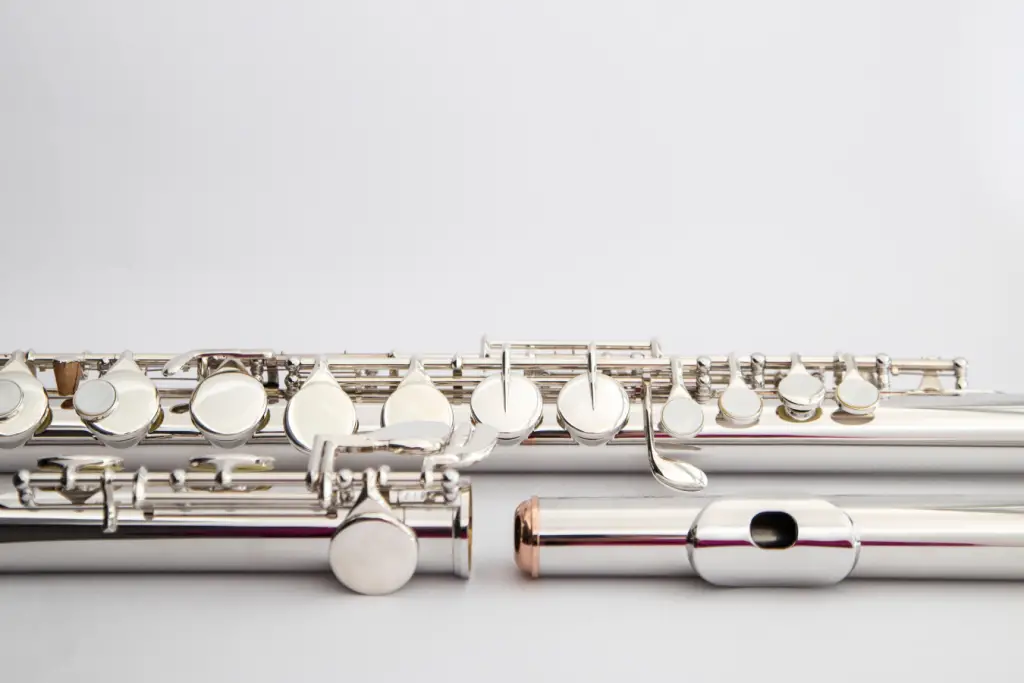
Flutes are fascinating musical instruments, known for their melodic sound that has captivated audiences for centuries. These wind instruments are part of the woodwind family and produce sound when the player’s breath flows across an opening, creating a vibrating column of air. Flutes are primarily made from materials like metal, wood, and sometimes plastic, each imparting unique tonal qualities and characteristics to the instrument.
Transverse flutes, the most common type, are often constructed from metals such as silver, gold, and nickel alloys. The choice of material significantly affects the flute’s sound, playability, and even its weight. Metal flutes are typically favored for their bright, clear sound, while wooden flutes might be chosen for a warmer, more resonant tone.
In addition to traditional materials, some modern flutes incorporate innovative materials to adjust sound, durability, or cost. Each flute material affects the instrument differently, shaping the experience for both the player and the listener. Understanding these variations can help musicians select the best flute for their musical style and preferences, ensuring an enriching experience in both practice and performance.
Materials and Construction
Flutes are crafted from a wide variety of materials, each with distinct characteristics that affect their sound, playability, and appearance. The materials used influence the weight, longevity, and price of the instrument.
Wooden vs. Metal Flutes
Wooden flutes, often made from blackwood or bamboo, have a rich, warm tone. This makes them suited for traditional and folk music. Bamboo flutes are lightweight and offer flexibility in design due to the nature of the material.
In contrast, metal flutes, such as those made from silver, gold, or even platinum, provide a brighter and more projecting sound. Silver flutes, especially those made from sterling silver, are popular for their balance between weight and tone quality. Gold and platinum flutes are often preferred by professionals for their unique tonal strength and aesthetic appeal.
Head Joint and Tone Holes
The head joint is a critical part of the flute, playing a significant role in sound production and quality. It incorporates the lip plate and riser, allowing players to modulate airflow and create different tones. The material of the head joint, whether metal or wood, can greatly influence the instrument’s overall sound characteristics.
Tone holes are another essential part of flute construction. They can be large or small, with precise positioning and size crucial for accurate tuning and sound production. The number and arrangement of tone holes affect the flute’s range and are designed with micron-level precision to ensure optimal performance.
Key Mechanisms and Plating
Key mechanisms on flutes are designed to facilitate easy and accurate playability. The keys are strategically placed to allow the flutist to cover and uncover finger holes quickly. Materials used for keys vary, with common choices being nickel-silver. Plating, often using silver or gold, enhances both aesthetic appeal and resistance to wear.
Mechanisms must be carefully balanced and aligned to ensure smooth operation, as they directly impact the instrument’s responsiveness. The choice of materials for keys and their plating affects not only durability but also the tactile feel, which is crucial for professional performances. These considerations make the key mechanism a central focus in flute construction.
Types and Variations
Flutes vary widely in design and sound, shaped by cultural origins and musical needs. Differences center around two main factors: their playing style, either transverse or vertical, and the range and sizes that influence their sound and usage.
Transverse vs. Vertical Flutes
Transverse flutes, held horizontally, are common in Western classical music. The concert flute is a notable example, known for its bright and versatile sound. Variants like the alto and bass flutes offer deeper tones.
Vertical flutes, played by blowing directly into the end, include instruments like recorders and the shakuhachi. The recorder has a rich history, popular in Baroque music. The shakuhachi originates from Japan and features a distinct, mellow sound. Other vertical flutes such as the xiao and ney bring unique cultural touches to flute music.
Range and Sizes
Flutes come in various sizes, affecting their pitch range. The piccolo, about half the size of the concert flute, produces a higher pitch, adding brilliance to orchestral compositions. Concert flutes cover the standard flute range, while alto and bass flutes deliver mid to low tones.
Further diversity exists in traditional flutes like the kaval and pan pipes, each offering distinct registers suitable for folk music. Instruments such as the ocarina and clarinet, while not flutes in a strict sense, mimic similar tonal characteristics, expanding the flute’s auditory family.