
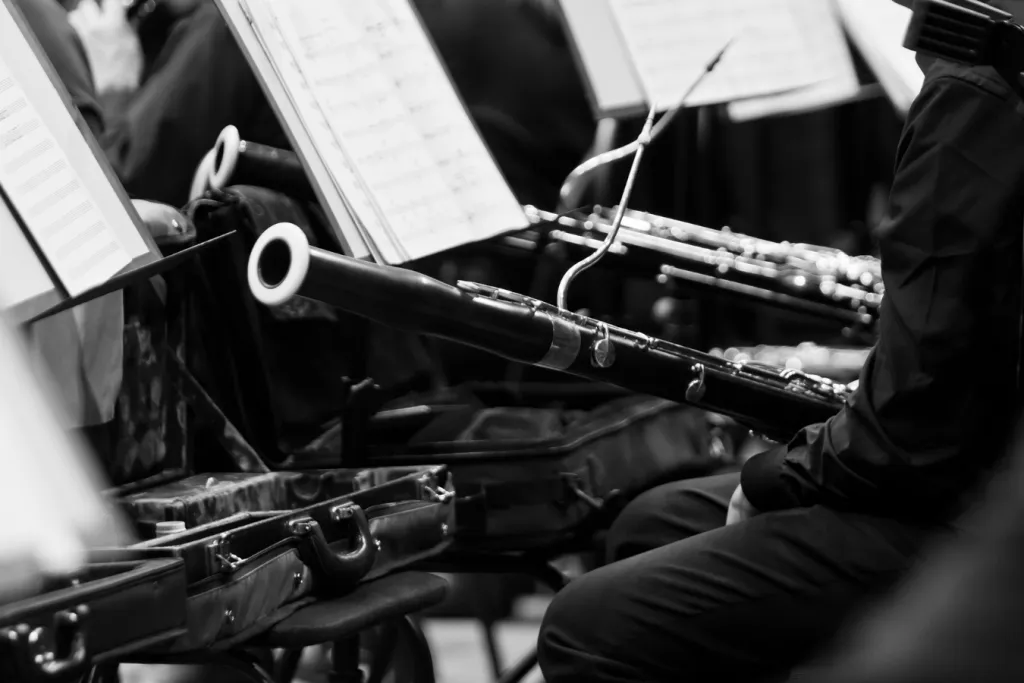
Keeping your bassoon in tune is essential for creating a polished, professional sound and for performing well in ensembles. The bassoon is a complex instrument, and its tuning can be affected by several factors, including temperature changes, reed quality, and playing technique. In this article, we’ll discuss how to maintain your bassoon to keep it in tune, including tips on tuning, care, and adjustments.
Understanding Factors That Affect Bassoon Tuning
Before diving into maintenance tips, it’s important to understand the factors that affect your bassoon’s tuning. These elements can cause the instrument to go out of tune if not managed properly:
- Reed quality and condition: The reed is one of the most important factors affecting the pitch of the bassoon. A new or poorly adjusted reed can make the instrument sound out of tune, while an older reed may lose flexibility, causing intonation problems.
- Temperature and humidity: Bassoons are sensitive to changes in temperature and humidity. A shift in climate can cause the wood to expand or contract, affecting the pitch.
- Air support and embouchure: The way you blow into the instrument and how you shape your embouchure has a big impact on intonation. Inconsistent airflow and an incorrect embouchure can result in poor tuning.
- Instrument alignment and pad condition: Over time, pads and key mechanisms can wear out, affecting the overall tuning of the bassoon.
1. Tuning Your Bassoon: The Basics
The first step in keeping your bassoon in tune is learning how to tune it properly. Tuning your bassoon involves adjusting the pitch of individual notes, ensuring they are in tune with the ensemble, or using a tuner for solo practice. Here’s how to tune your bassoon:
- Warm up your bassoon: Before tuning, ensure your bassoon is fully warmed up. A cold bassoon will not produce accurate tuning because the temperature of the wood and pads can affect pitch. Spend about 10-15 minutes playing before attempting to tune.
- Use a tuner or reference pitch: Using a digital tuner or tuning app can help you monitor your pitch. Alternatively, you can use a piano or another instrument as a reference pitch.
- Tune in different registers: The bassoon has a wide range of pitches, and tuning may vary across different registers. Start by tuning your middle range (which is most commonly used) and then check your high and low registers to ensure they are in tune as well.
- Check specific notes: Some notes are particularly sensitive to tuning issues. Pay special attention to the following notes:
- Low C: Often flat.
- High A: Can be sharp.
- High F and F#: Tuning can vary based on reed strength.
2. Reed Maintenance and Adjustment
Reeds are one of the most important factors in maintaining your bassoon’s tuning. A poorly adjusted reed can cause significant tuning issues. Here are some tips on reed maintenance and how it affects your tuning:
- Select the right reed strength: Ensure that your reed strength matches your skill level and playing style. A reed that is too soft will cause the pitch to be flat, while a reed that is too hard can cause sharp intonation. If you’re unsure about which reed strength to use, consult your teacher or professional reed maker.
- Adjust the reed: Regularly adjust the reed to ensure optimal performance. For example:
- Shave the tip: If the reed is too sharp, you can shave the tip slightly to lower the pitch.
- Wet the reed properly: A reed should be properly wet before playing. If it’s too dry, it may sound flat. If it’s too wet, it may sound sharp.
- Check for cracks: If the reed develops cracks, it can become unplayable and cause tuning instability. Replace reeds when necessary.
- Use a reed holder: Store your reeds properly to maintain their shape and prevent cracking. A reed holder can help ensure they stay in good condition when not in use.
3. Playing Technique and Breath Support
Your embouchure and breath support can significantly affect your bassoon’s tuning. Proper control over your airflow and embouchure will help you achieve a more stable pitch. Here are some tips:
- Control your air support: A steady and controlled airstream is crucial for maintaining pitch stability. Poor air support can cause fluctuations in pitch. Practice using your diaphragm to support your breath, rather than relying on your throat or chest for airflow.
- Check your embouchure: Your embouchure must be firm yet flexible, allowing the reed to vibrate properly. A tense embouchure can affect tuning, causing the sound to be either flat or sharp. Ensure that your lips are relaxed but taut, and focus on making subtle adjustments when necessary.
- Work on long tones: Practicing long tones helps you develop control over your breath and embouchure, making it easier to maintain consistent tuning throughout your playing.
4. Adjusting the Bassoon’s Pitch with the Crook and Bocal
The bocal (the metal tube that connects the reed to the body of the bassoon) is an important part of the instrument that can be used to adjust the overall pitch of the bassoon. If your bassoon is playing slightly sharp or flat, adjusting the bocal position can help correct it:
- Slide the bocal in or out: By adjusting how far the bocal is inserted into the bassoon, you can affect the pitch. If the bassoon is sharp, try pulling the bocal out slightly. If it’s flat, push the bocal in a little more.
- Experiment with different bocals: If you find that your bassoon consistently plays out of tune, consider experimenting with a different bocal. Bocals come in various lengths and shapes, and a new one may improve your overall tuning.
5. Temperature and Humidity Considerations
Temperature and humidity can cause fluctuations in the bassoon’s pitch, as wood is sensitive to environmental conditions. Maintaining a consistent environment for your bassoon will help keep it in tune:
- Avoid temperature extremes: Extreme cold or heat can cause the bassoon to go out of tune. Store your instrument in a climate-controlled environment, and avoid sudden temperature changes.
- Control humidity levels: Bassoons are made of wood, which expands and contracts with humidity changes. If the air is too dry or too humid, it can affect the pitch. Keep your instrument in a stable environment, and consider using a humidifier in dry conditions.
- Use a humidity-controlled case: Some bassoon cases offer climate control options that help maintain the instrument’s ideal environment, protecting it from fluctuations in temperature and humidity.
6. Regular Instrument Maintenance
In addition to tuning adjustments and reed care, general maintenance of your bassoon can help ensure it stays in tune:
- Clean your bassoon regularly: Moisture from your breath can accumulate inside the instrument, affecting both the tuning and overall function. Use a cleaning swab to clean the interior of your bassoon after every practice session.
- Check for leaks: Leaks in the pads or key mechanisms can cause tuning instability. Periodically inspect your bassoon for any leaks or damaged pads, and take it to a technician for repairs if necessary.
- Service your bassoon regularly: It’s important to have your bassoon professionally serviced at least once a year. A technician can adjust the pads, check for leaks, and make any necessary repairs to keep the instrument in top shape.
Conclusion
Maintaining your bassoon in tune requires attention to detail and regular care. By focusing on reed maintenance, breath support, embouchure, and proper instrument care, you can ensure that your bassoon remains in tune and produces a rich, full sound. With consistent practice and attention to these tips, you’ll be able to keep your bassoon in tune, whether you’re performing solo or playing in an ensemble.