
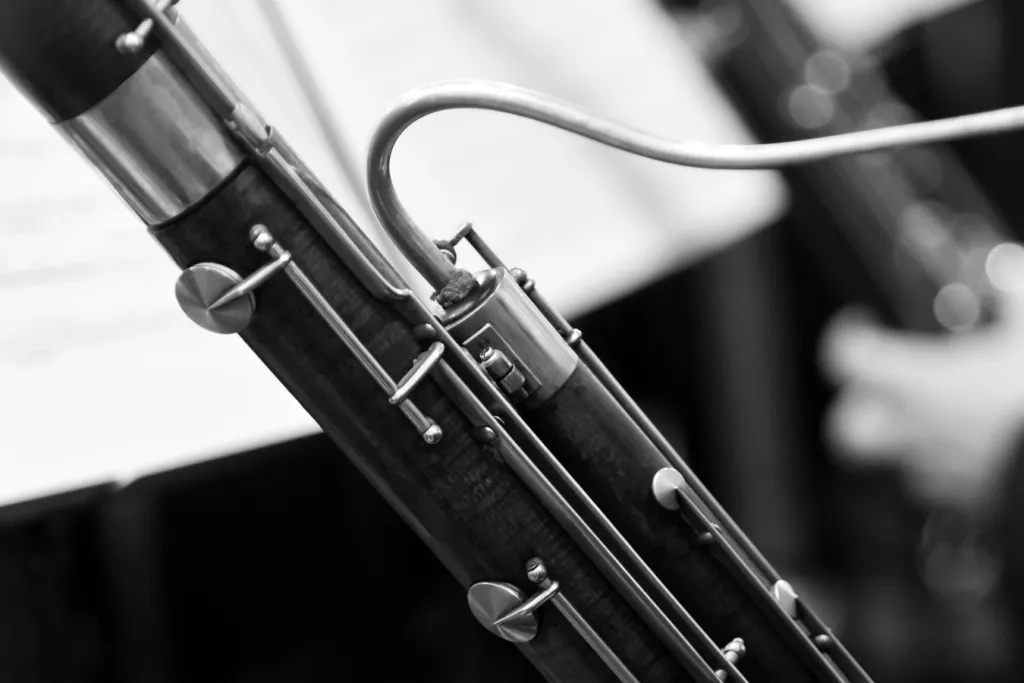
The bassoon is one of the most unique and complex woodwind instruments, known for its deep, resonant sound and wide range of pitches. Unlike many other woodwind instruments, the bassoon does not use a traditional mouthpiece. Instead, it uses a reed, which plays a crucial role in shaping the instrument’s sound. In this article, we’ll explore the type of mouthpiece used for the bassoon, including the reed, its components, how it works, and tips for selecting and maintaining the right reed for optimal performance.
Understanding the Bassoon Reed
Unlike instruments such as the clarinet or saxophone, which use a hard, fixed mouthpiece, the bassoon utilizes a reed that is inserted into a metal tube called the bocal. The reed is made from cane and consists of two pieces that are bound together, allowing them to vibrate when air is blown through them. These vibrations create the bassoon’s unique sound.
Here are some key components of the bassoon reed:
- The Cane: Bassoon reeds are typically made from a type of cane called Arundo donax, which is harvested, dried, and shaped into a reed.
- The Binding: The two cane pieces are held together with metal wire, which helps maintain the reed’s shape and flexibility.
- The Tip: The tip of the reed is shaved to a precise angle and thickness to control the reed’s vibrational qualities.
- The Back: The back of the reed is flattened and sometimes shaved to allow for better airflow and control over the pitch.
How the Reed Works
The reed works by vibrating when air passes through it, which causes the air column inside the bassoon to vibrate, creating sound. The reed’s vibrations are crucial for determining the tone, pitch, and volume of the bassoon.
Here’s how the reed influences sound production:
- Pitch: The stiffness or flexibility of the reed can influence the pitch of the instrument. A softer reed will generally produce a lower pitch, while a harder reed will produce a higher pitch. Adjustments to the reed’s tip and back can also help fine-tune pitch.
- Tone Quality: The texture and condition of the reed affect the tone of the bassoon. A reed that is too soft or damaged will result in a breathy, airy sound, while a well-prepared reed creates a rich, clear tone.
- Response: The reed’s response determines how easily the bassoon plays, especially in different registers. A reed that is too stiff may be harder to control, while a reed that is too soft may lack the proper resistance and produce poor sound quality.
The Role of the Bocal in Bassoon Mouthpiece Setup
While the reed is the primary mouthpiece for the bassoon, it must be paired with the bocal, a metal tube that connects the reed to the bassoon itself. The bocal plays an important role in determining the instrument’s overall tone and pitch, as it affects how the air travels from the reed into the instrument.
Bocals come in different sizes and shapes, which influence the bassoon’s tuning and sound. Factors such as the bocal’s length, angle, and metal composition can slightly alter the bassoon’s resonance and response. Here’s a quick breakdown of the bocal:
- Length and Size: Bocals come in various lengths (marked by numbers such as 1, 2, or 3). A shorter bocal generally provides a brighter sound, while a longer bocal gives a warmer, more mellow tone.
- Angle: The angle of the bocal determines the position of the reed and how it affects the pitch and resonance. Bocals with different angles can slightly alter the bassoon’s tone, so players may experiment to find the one that best suits their sound.
- Material: Most bocals are made of metal, typically brass or stainless steel, though there are also wooden bocals available. Metal bocals tend to produce a brighter, clearer tone, while wooden bocals create a warmer, more natural sound.
Selecting the Right Reed for Your Bassoon
Choosing the right reed for your bassoon is essential for producing an ideal sound. Bassoon reeds vary in several aspects, such as size, strength, and quality. Here’s a breakdown of what to consider when selecting a reed:
1. Reed Strength
Reeds are available in different strengths, typically ranging from soft to hard. Reed strength influences how the reed responds when you blow air through it:
- Soft Reeds: Soft reeds are easier to play and require less air pressure, but they can lack tonal depth and may not project as well. These reeds are suitable for beginners or players who prefer lighter resistance.
- Medium Reeds: Medium-strength reeds provide a balanced response and are generally recommended for intermediate players. They offer a good combination of tone and ease of play.
- Hard Reeds: Hard reeds provide more resistance and tend to produce a more focused, controlled sound. They are ideal for advanced players who have developed proper embouchure and air support.
2. Reed Size
Bassoon reeds also come in different sizes. Standard reeds are made for bassoons in general, but some reeds are tailored to specific types of bassoons (e.g., bassoons with larger or smaller bores). Reed size impacts how well the reed fits in the bocal and plays in tune.
3. Reed Brand and Quality
There are many different reed brands available, each offering reeds with unique tonal characteristics. Some popular brands include:
- Fox Products: Fox reeds are known for their quality and consistency. They are a popular choice among professional bassoonists.
- Ricco: Ricco offers a range of reeds for different levels of play, from beginners to advanced musicians.
- Jende: Jende reeds are known for their customization options and their unique ability to produce a smooth, rich tone.
4. Handcrafted vs. Factory-Made
- Handcrafted Reeds: Many advanced bassoonists prefer handcrafted reeds, as they can be customized to fit their playing style and sound preferences. Handcrafted reeds are made by skilled reed makers who shape the reed based on the player’s needs.
- Factory-Made Reeds: Factory-made reeds are often more affordable and are ideal for beginners. While they may not be as finely tuned as handmade reeds, they can still offer good sound quality for new players.
Caring for Your Bassoon Reed
A reed’s condition can greatly affect its performance, and proper care is essential for maintaining good sound quality. Here are some tips for caring for your bassoon reed:
- Store Your Reed Properly: Always store your reed in a reed case to protect it from damage. Avoid storing it in extremely hot or humid conditions, as this can warp the reed.
- Moisturize Your Reed: Before playing, always wet your reed thoroughly for at least a minute. Never play on a dry reed, as it can crack and wear down quickly.
- Clean the Reed After Use: After playing, clean the reed by gently rinsing it with water to remove any moisture or debris. Dry it by gently tapping it on a soft cloth. Avoid using harsh chemicals or abrasives on the reed.
- Rotate Reeds: It’s important to have multiple reeds in rotation to give each one time to rest and recover. This helps prevent excessive wear and tear on any single reed.
- Adjust the Reed as Needed: If your reed is too sharp or too flat, you can adjust it by shaving or scraping the tip to fine-tune its response. Use a reed knife or sandpaper to carefully adjust the reed, and be sure to take off only a little at a time.
Conclusion
The bassoon’s unique mouthpiece setup, consisting of a reed and bocal, plays a key role in shaping the sound of the instrument. Whether you’re a beginner or an advanced player, understanding how the reed works, how to select the right reed for your needs, and how to properly care for it can help you get the best sound possible from your bassoon. Remember, the reed’s quality and condition, along with your playing technique, are vital factors in achieving a great tone and maintaining good intonation. With proper reed selection, care, and maintenance, you can ensure your bassoon always sounds its best.