
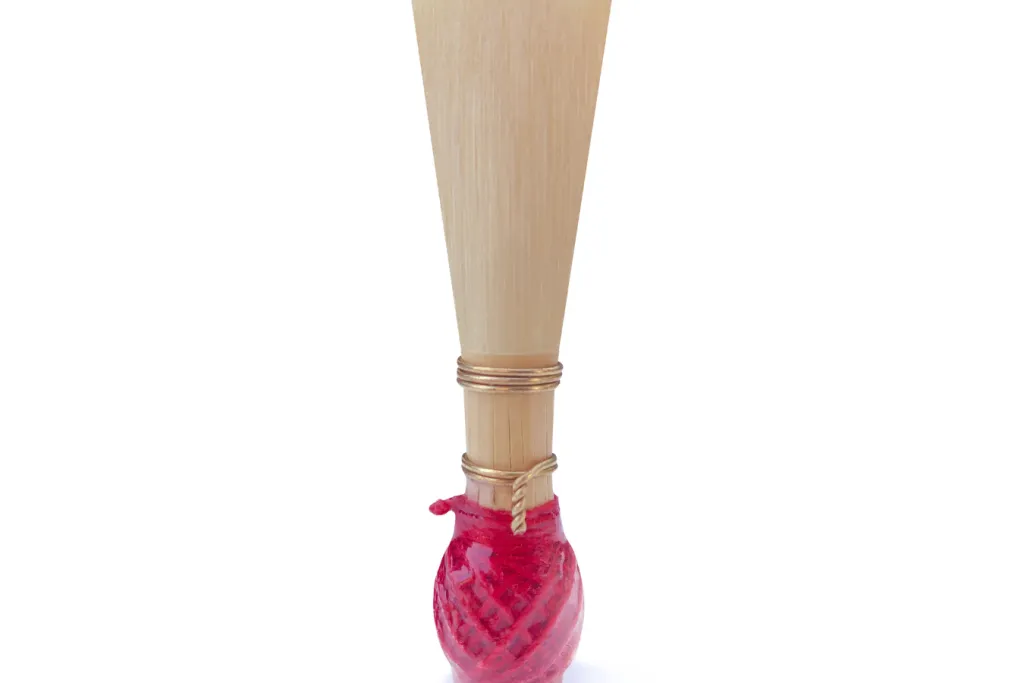
As a double-reed instrument, the bassoon relies heavily on its reed to produce sound. The reed, a thin, flat piece of cane, vibrates when air is blown through it, allowing the player to create the bassoon’s rich, resonant tones. However, reeds are delicate and require proper care to maintain their functionality and longevity. This article will provide essential maintenance tips to help you get the most out of your bassoon reed.
Understanding the Bassoon Reed
Before diving into the maintenance process, it’s essential to understand the basics of the bassoon reed:
- Composition: Bassoon reeds are typically made from Arundo donax, a type of cane. The reed is handcrafted, with each reed being slightly unique.
- Function: The reed is placed on the bocal (the curved metal tube) and vibrates when air is blown through it, creating sound.
- Lifespan: A reed’s lifespan can vary but typically lasts anywhere from a few days to several weeks, depending on use and care.
Why Proper Reed Care Is Essential
Proper care of your bassoon reed ensures the following:
- Consistency of Sound: A well-maintained reed will produce a consistent, clear sound.
- Longevity: Proper care helps to prolong the reed’s life, saving you money in the long run.
- Avoiding Damage: Incorrect handling and neglecting reed care can lead to cracks, chips, and other damage that renders the reed unusable.
Daily Reed Maintenance
The daily care of a bassoon reed is crucial to its longevity and optimal performance. Follow these steps after every playing session:
1. Soak the Reed Properly
Before playing, soak the reed in water to soften it and make it more pliable.
- Soak Time: Allow the reed to soak for at least 1–2 minutes. Soaking for too long can cause the reed to become too soft, while soaking for too short a time might result in a dry reed that doesn’t vibrate effectively.
- Water Temperature: Use room temperature water. Avoid hot water, which can damage the cane fibers, and cold water, which can make the reed brittle.
2. Dry the Reed After Playing
After each playing session, it’s important to remove excess moisture from the reed to prevent mold and ensure it retains its shape.
- Use a Reed Drying Rack: Place the reed on a drying rack or flat surface to air dry. This allows it to dry evenly without risk of warping.
- Avoid Tissues or Towels: Don’t use paper towels or tissues to dry the reed, as they can leave fibers on the reed surface, affecting sound quality.
3. Store the Reed Properly
Proper storage plays a significant role in reed maintenance.
- Reed Case: Always store the reed in a reed case with ventilation holes. This helps the reed dry completely while preventing excessive moisture from being trapped inside.
- Avoid Extreme Temperatures: Never leave the reed in direct sunlight or store it in a hot car, as extreme heat can warp the cane or make the reed too soft.
Weekly Reed Care
In addition to daily care, your bassoon reed will benefit from a more thorough weekly cleaning routine.
1. Clean the Reed
To maintain sound quality and hygiene, clean the reed on a weekly basis.
- Cleaning Tools: Use a soft brush, such as a small toothbrush, to gently scrub the reed’s surface.
- Avoid Harsh Chemicals: Never use soap or chemicals on your reed. These can leave residues that impact the reed’s sound.
2. Check for Cracks and Chips
Inspect the reed for any signs of cracks, chips, or splits.
- Handling: Always handle the reed with care to avoid damaging it. If a crack or chip is found, gently file the edges of the reed with a fine-grit sandpaper to smooth them out.
- Reed Repair: If the crack extends into the body of the reed, it may need to be replaced. Small cracks can sometimes be repaired with glue, but this is a temporary solution.
Monthly Reed Care
Over time, you may need to make adjustments to your reed to ensure optimal sound and performance. These steps can help maintain your reed over the long term.
1. Shape and Trim the Reed
Reeds naturally change shape with use. If the reed becomes too hard or too soft, you may need to adjust it.
- Trimming the Tip: Using a reed knife, you can trim the tip of the reed slightly to adjust its responsiveness. Be cautious when trimming, as small adjustments can drastically change the reed’s sound.
- Scraping the Cane: Scraping the body of the reed can help adjust its stiffness. Make light, even strokes to avoid removing too much cane at once.
- Adjusting the Back: The back of the reed, or the area near the heart, can also be shaved down slightly if it’s too stiff.
2. Check the Reed’s Balance
- Balance the Reed: A reed that is too hard or soft will affect your playing. Periodically check the balance of the reed by blowing through it and listening for any unevenness in tone.
- Fine-Tune: Adjust the shape, trimming, or scraping as needed to ensure smooth, even airflow.
3. Avoid Overplaying the Reed
Reeds degrade faster if overplayed. It’s important not to wear out a reed by playing it too frequently.
- Rotating Reeds: Use at least two or three reeds on a regular basis to avoid overusing any single reed.
- Reed Resting: Give each reed time to rest and dry fully between uses to preserve its quality.
Signs That Your Reed Needs Replacing
Despite the best care, reeds eventually wear out and need replacing. Recognizing the signs that a reed needs to be replaced can save you frustration during performance.
1. Loss of Tone Quality
- Dull Sound: If the reed produces a weak, thin, or dull sound, it’s time to consider a new one.
- Uneven Tone: A reed that produces uneven sound quality across registers may be too worn to function effectively.
2. Cracking or Splitting
- Visible Cracks: If the reed shows cracks that can’t be repaired with minor adjustments, it is likely unusable.
- Splitting: If the reed begins to split, especially near the heart, it should be replaced.
3. Difficulty Producing Sound
- Air Resistance: If the reed has become too stiff or doesn’t vibrate easily, producing sound will become increasingly difficult.
Conclusion: Ensuring Long-Lasting Reeds
The bassoon reed is an essential yet delicate component of your instrument. By following proper care routines—such as soaking, drying, cleaning, and occasionally trimming—you can extend the life of your reeds and maintain their performance. A well-cared-for reed will produce a consistent, rich sound, allowing you to get the most out of your bassoon playing.
Remember, patience and consistency are key to good reed maintenance. By adopting a regular care routine, you’ll keep your reeds in optimal condition and ensure a rewarding and enjoyable playing experience for years to come.