
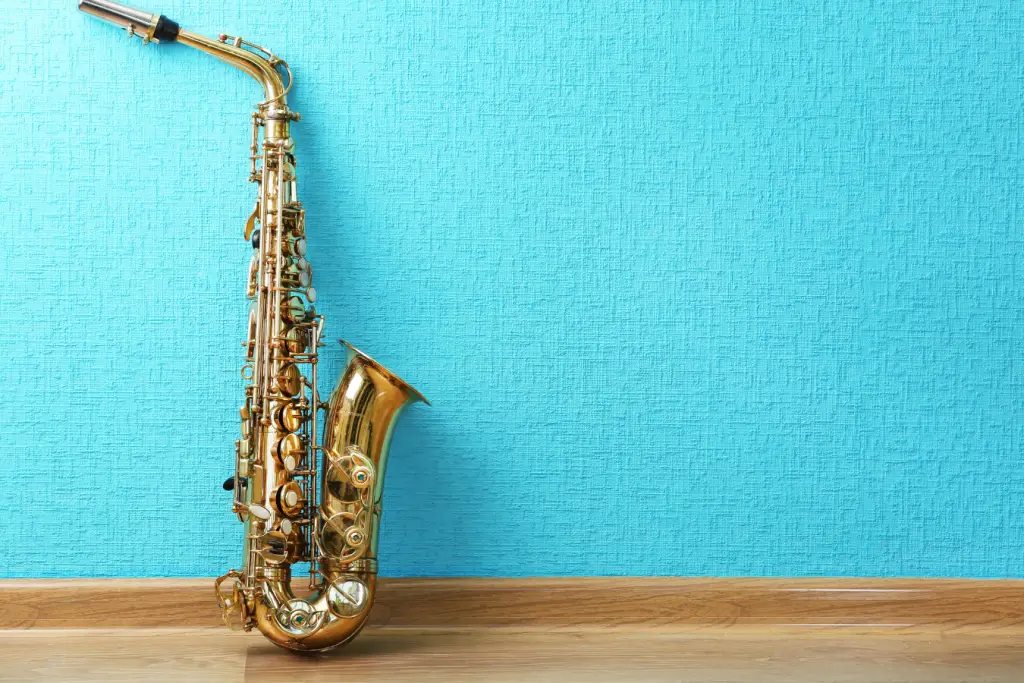
Saxophone squeaking during high notes is a common issue that frustrates many players. This problem often stems from improper technique or equipment issues. The most frequent causes include problems with the reed, incorrect embouchure, or malfunctioning saxophone mechanisms.
A squeaking saxophone can be particularly noticeable when attempting to play high notes. Improper mouthpiece positioning or an incorrect embouchure may lead to unwanted squeaks. Additionally, reed issues such as dryness or misalignment can contribute to this problem.
Mechanical issues with the saxophone itself can also cause squeaking on high notes. For instance, air leaks, loose screws, or springs that have popped out of place may affect the instrument’s ability to produce clear high notes. The octave mechanism is particularly crucial for proper high note production and may require adjustment if malfunctioning.
Fundamentals of Saxophone Acoustics
Saxophone acoustics involve complex interactions between the instrument’s physical components and the player’s technique. The saxophone’s unique sound results from the interplay of overtones and the crucial role of the mouthpiece and reed.
Understanding Saxophone Overtones
Saxophone overtones are additional frequencies produced above the fundamental note being played. These overtones contribute to the instrument’s rich timbre and tonal characteristics. When a saxophonist blows into the instrument, the air column vibrates, creating a series of harmonics.
The saxophone’s conical bore shape influences the strength and balance of these overtones. Higher overtones tend to be more prominent in the upper register, which can contribute to squeaking if not properly controlled.
Players can manipulate overtones through embouchure adjustments and voicing techniques. Mastering overtone control is essential for producing a clear, resonant tone across all registers of the saxophone.
Role of Mouthpiece and Reed in Sound Production
The mouthpiece and reed form the primary sound-generating mechanism of the saxophone. The reed vibrates against the mouthpiece’s facing, creating the initial sound waves that resonate through the instrument’s body.
Mouthpiece characteristics:
- Tip opening
- Facing curve
- Chamber size and shape
These features significantly influence tone quality, response, and pitch stability. A wider tip opening can produce a brighter sound, while a longer facing may offer more flexibility but require greater control.
Reed properties:
- Strength
- Cut
- Material
Reed selection impacts playability and tone. Softer reeds are easier to play but may lack stability in higher registers. Harder reeds offer more control but require greater air support.
The player’s embouchure interacts with the mouthpiece and reed to shape the sound. Proper embouchure formation and consistent air support are crucial for maintaining control, especially in the upper register where squeaking is more likely to occur.
Common Causes of Squeaking
Saxophone squeaking during high notes often stems from issues with the player’s technique, equipment, or the instrument itself. Addressing these factors can help eliminate unwanted squeaks and improve overall sound quality.
Improper Embouchure and Air Support
Incorrect embouchure is a leading cause of saxophone squeaking, especially on high notes. The embouchure refers to how the player’s mouth interacts with the mouthpiece and reed. Common mistakes include:
• Biting too hard on the reed • Placing the mouthpiece too far in the mouth • Not maintaining consistent pressure around the mouthpiece
Insufficient air support can also lead to squeaking. Players need to provide steady, controlled airflow, particularly for high notes. Weak or inconsistent breath support makes it difficult to maintain proper reed vibration.
Proper tongue position is crucial. A high tongue position inside the mouth can obstruct airflow and cause squeaks. Players should focus on keeping the tongue low and relaxed while playing.
Reed Issues
Reed problems frequently contribute to unwanted squeaks. A broken or misaligned reed can disrupt normal vibration patterns. Signs of reed issues include:
• Visible cracks or chips • Warping or uneven surface • Excessive dryness
New reeds often produce squeaks until they’re properly broken in. Soaking the reed before playing can help prevent squeaking. Reed strength also matters – a reed that’s too hard for the player’s skill level can cause squeaking on high notes.
Regular reed maintenance is essential. Players should rotate reeds, store them properly, and replace them when worn out to maintain optimal sound quality.
Technical Problems with the Saxophone
Mechanical issues with the saxophone itself can lead to squeaking, especially on high notes. Common problems include:
• Air leaks in pads or joints • Misaligned or bent keys • Sticky or slow-moving springs
Buildup of dirt, moisture, or debris in the mouthpiece or neck can also cause squeaking. Regular cleaning and maintenance help prevent these issues.
Damage to the instrument, such as dents or bent tone holes, can affect air flow and lead to squeaking. Professional repair may be necessary to address these problems.
Proper instrument setup is crucial. Incorrect adjustments to the neck cork or mouthpiece placement can contribute to squeaking on high notes.
Techniques to Prevent Squeaking
Proper technique and equipment maintenance are crucial for preventing saxophone squeaks during high notes. These methods focus on improving embouchure control and selecting the right reed.
Embouchure Adjustment
Reducing tension in facial muscles is key to preventing squeaks. Players should practice relaxing their lips and mouth while maintaining a firm embouchure. The tongue position inside the mouth should be kept low to avoid interfering with airflow.
Proper mouthpiece placement is essential. Ensure the mouthpiece is straight in the mouth, not at an angle. This helps create a consistent seal and reduces the likelihood of squeaks.
Players should focus on consistent air support, especially when transitioning between registers. Maintaining steady air pressure helps prevent sudden changes that can cause squeaking.
Proper Reed Selection and Maintenance
Choosing the right reed strength is crucial. A reed that’s too soft or too hard can contribute to squeaking. Experiment with different strengths to find the optimal balance for your playing style and mouthpiece.
Properly moistening the reed before playing is essential. A dry reed doesn’t vibrate effectively, leading to squeaks and poor tone quality. Soak the reed in water for a few minutes before playing.
Regular reed maintenance is important. Rotate between multiple reeds to extend their lifespan and maintain consistent playing quality. Store reeds flat to prevent warping, which can cause air leaks and squeaking.
Troubleshooting High Notes
Addressing squeaking issues on high notes requires attention to technique and instrument condition. Proper fingering and regular saxophone maintenance are crucial for achieving clean, resonant high notes.
Fingering Precision and Timing
Accurate fingering is essential for producing clear high notes. Players should focus on precise finger placement and smooth transitions between notes. Rolling fingers off keys gradually can help prevent unwanted squeaks.
Practice slow, deliberate movements to build muscle memory. Pay special attention to the left-hand pinky keys, which are often involved in high note fingerings.
Timing is also critical. Coordinate finger movements with breath support and embouchure adjustments. Improper coordination can lead to squeaks or other undesired sounds.
Use a metronome to practice finger transitions at various tempos. This helps develop consistent, precise movements necessary for clean high notes.
Regular Instrument Maintenance and Care
A well-maintained saxophone is crucial for optimal high note performance. Regular cleaning and care prevent many common issues that cause squeaking.
Clean the mouthpiece and neck daily to remove buildup that can affect sound production. Use a swab to dry the instrument’s interior after each playing session.
Check for air leaks, which can significantly impact high note playability. Damaged or misaligned pads are common culprits. Have a professional technician inspect and adjust the instrument annually.
Examine springs and key mechanisms for proper tension and alignment. Loose or sticky keys can cause timing issues and unwanted noises.
Replace worn reeds regularly. A damaged or old reed can contribute to squeaking, especially in the upper register.