
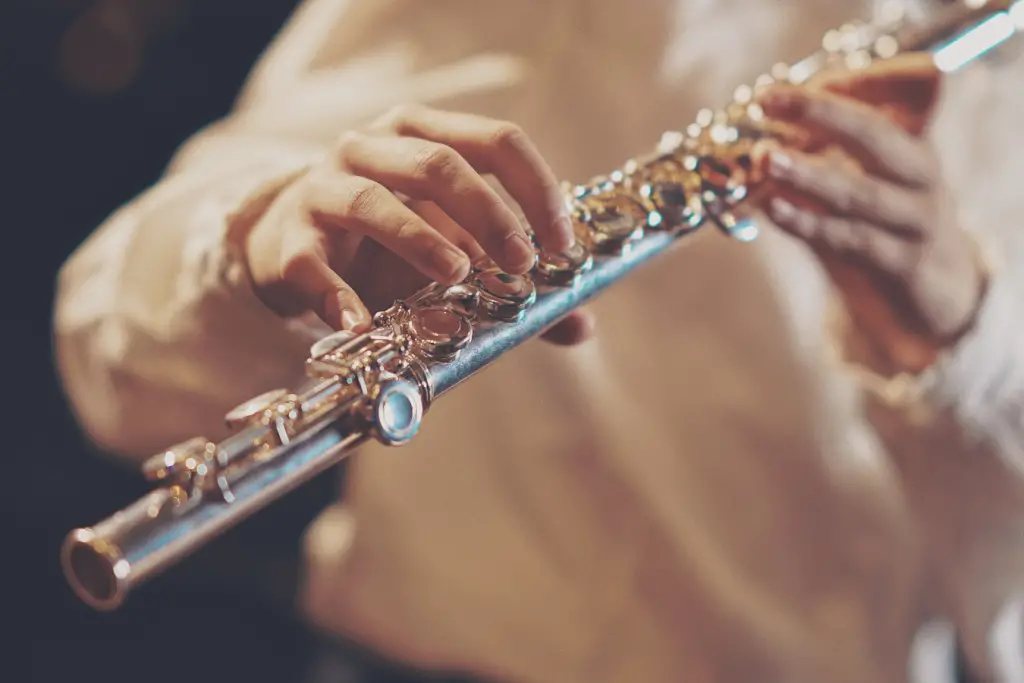
The flute, a mellifluous and enchanting instrument, has seen its share of virtuosos throughout history. Among the pantheon of renowned flute players, the name James Galway stands out. James Galway is arguably the most famous flute player in the world, known for his distinctive tone and masterful performances. His influence in both classical and popular music domains has left a lasting legacy, drawing audiences to the enchanting world of flute music.
Jean-Pierre Rampal is another towering figure whose artistry elevated the flute’s status in the concert world. He brought the instrument to new heights as a solo performer, captivating audiences with his exceptional technique and warm expressiveness. Young flutists often draw inspiration from his recordings, which continue to be celebrated for their artistic excellence and contribution to flute music.
In addition to these iconic names, contemporary flautists like Emmanuel Pahud and Claire Chase continue to push the boundaries of what is possible on the flute, captivating new generations with their innovative styles and performances. Readers may wonder about the qualities that make these artists stand out and how they have shaped the perception of the flute in the music industry today.
Iconic Flutists Throughout History
Throughout history, several flutists have left indelible marks on both performance and composition. Their contributions have shaped the development and appreciation of the flute across centuries.
Pioneers of Flute Performance
Flute performance has rich roots, and some individuals stand out as pioneers. Johann Joachim Quantz, a German flutist of the 18th century, was not only a performer but also a teacher and composer. He wrote extensively on flute performance and teaching techniques. His work elevated the flute’s status in classical music.
Jean-Pierre Rampal, often regarded as one of the greatest flutists of the 20th century, played a significant role in popularizing the flute as a solo instrument. He is credited with inspiring new generations of flutists.
Sir James Galway, known as the “Man with the Golden Flute,” is another iconic performer whose career has spanned several decades. His influence extends globally, with countless recordings and live performances that have garnered fans across varied musical genres.
Innovators in Flute Composition
The development of flute music owes much to innovative composers. Theobald Boehm revolutionized the instrument in the 19th century with his creation of the modern Boehm system flute, which improved tone and intonation.
Marcel Moyse, a legendary French flutist, contributed to flute literature with his études and instructional books. His teachings promoted a deeper exploration of technique and expression.
Emmanuel Pahud, a contemporary virtuoso, continues this tradition of innovation. Known for his versatility, he frequently collaborates with modern composers to expand the flute repertoire. His efforts include premiering new works, thereby bridging classical tradition and contemporary music.
Each of these flutists has significantly impacted the evolution of flute music, ensuring the instrument’s enduring legacy in the musical world.
The Flute in Orchestral and Solo Settings
The flute holds a prominent role both as a key voice in orchestras and as a featured solo instrument. Its presence is vital in symphony orchestras worldwide, and it has a rich solo repertoire that flutists explore in concert halls globally.
Flute in Symphony Orchestras
The flute serves as an essential component of the symphonic woodwind section. In orchestras like the Berlin Philharmonic and the New York Philharmonic, the flute offers both bright melodies and complex harmonies.
Orchestras depend on the flute to convey intricate passages, often leading pieces with its clear, penetrating sound. In the London Symphony Orchestra, the flute’s role is highlighted in various compositions by greats such as Mozart and Prokofiev.
Across orchestras, from the Bournemouth Symphony Orchestra to the Royal Scottish National Orchestra, flutes play pivotal roles. These orchestras showcase the flute’s ability to blend with other instruments while allowing flutists to take center stage with solo parts in many classical pieces.
The Soloist’s Journey
As a solo classical instrument, the flute offers a vast and diverse repertoire that challenges and delights both performers and audiences. The journey to becoming a soloist requires mastering various flute concertos and mastering intricate works.
Renowned flutists have expanded the flute repertoire, often performing works by composers like Debussy and Bach. These pieces demand skillful expression and a deep connection with the music, traits admired by audiences worldwide.
Soloists often perform with the Berliner Philharmoniker, as well as in smaller, intimate venues. Each performance showcases the flute’s capability to convey emotion and complexity, making it a beloved instrument for both players and listeners. Often, these performances not only entertain but also inspire new generations of flutists.
Flute Across Music Genres
The flute is a versatile instrument, making its mark in numerous music genres. Its ability to adapt to both traditional and modern styles demonstrates its universal appeal.
Flute in Jazz and Folk Traditions
Jazz flutists like Herbie Mann have pioneered the integration of the flute into jazz, combining it with elements from Latin and Middle Eastern music. This crossover resulted in unique sounds that expanded jazz’s expressive possibilities. Bobbi Humphrey and Hubert Laws further enriched this genre, showcasing the flute’s dynamic range.
In folk music, players such as Matt Molloy have brought the flute to the forefront. His work in Irish folk demonstrates the instrument’s melodic and rhythmic potential. The flute’s adaptability allows it to blend seamlessly into both jazz and folk, highlighting its diverse capabilities.
Contemporary and Experimental Flute Music
In contemporary music, the flute is continually evolving. Musicians like Greg Pattillo push boundaries using extended techniques, which involve innovative methods of playing to produce unconventional sounds. These techniques include beatboxing harmoniously with the flute, creating a bridge between classical and modern genres.
Experimental artists transform the flute into a tool for innovation. They explore new directions, uncovering textures and sounds that challenge traditional perceptions. This approach keeps the flute relevant in modern music, encouraging fresh interpretations and expanding its repertoire in contemporary settings.
Community and Education
The flute community thrives on both renowned educators and various events that foster a rich learning environment. These elements play a crucial role in nurturing talent and broadening the influence of flute music across generations.
Notable Flute Educators and Institutions
Noteworthy educators have significantly influenced the development of flute players. Jeanne Baxtresser, former principal flutist of the New York Philharmonic, is celebrated for revolutionizing flute pedagogy through her insightful teaching techniques and comprehensive methodologies. Julius Baker, another influential figure, was renowned for his teaching tenure at the Juilliard School, where he mentored many who became prominent flute players of all time.
Prominent institutions like the Royal Academy of Music in London, where William Bennett taught, and the Curtis Institute of Music in Philadelphia, continue to play vital roles in shaping future generations. These schools offer specialized programs designed to advance students’ technical skills and artistic expression, thus ensuring a continuous influx of skilled and innovative flutists into the field.
Flute-Related Events and Gatherings
Events and gatherings form an integral part of the flute community, providing platforms for performance and exchange. International flute championships offer opportunities for flutists to showcase their talent and gain recognition globally. These events encourage diversity in flute music by including a variety of genres and styles.
Conventions like the National Flute Association Convention gather enthusiasts and professionals for workshops, masterclasses, and performances. These gatherings foster collaboration and networking within the community. Moreover, they serve to celebrate achievements and explore emerging trends, ensuring the ongoing evolution and vitality of flute music on a global scale.