
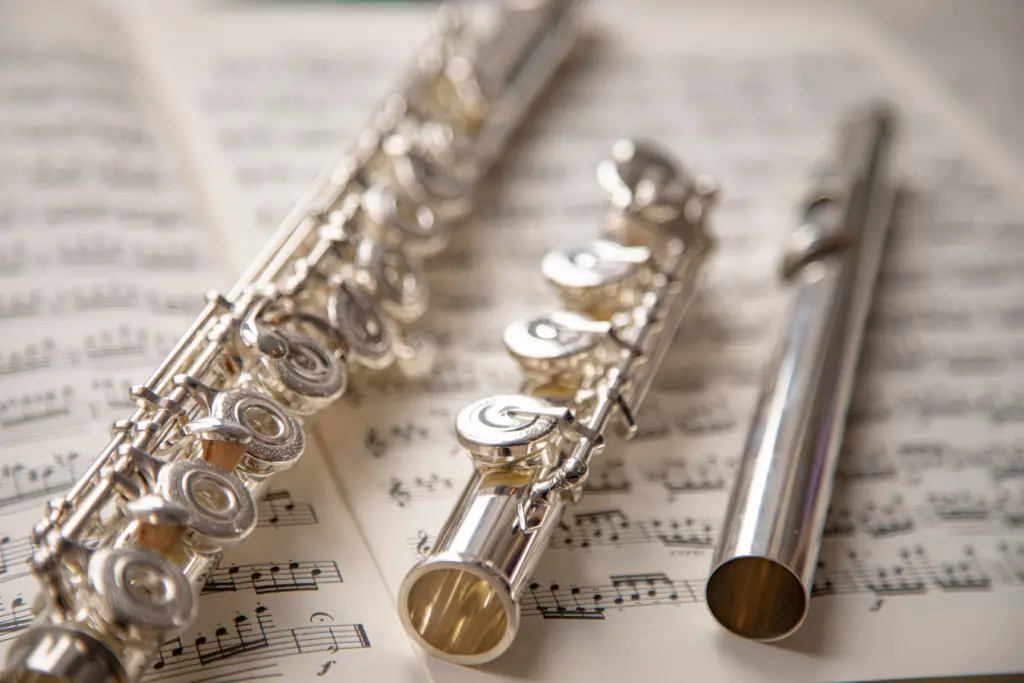
For those embarking on a musical journey, playing the flute can be a rewarding experience filled with rich tones and expressive musicality. Selecting the right instrument is crucial, as it lays the foundation for growth and enjoyment. Among the top flute brands recognized for quality and craftsmanship are Yamaha, Gemeinhardt, and Trevor James, each offering unique characteristics to suit various skill levels and preferences.
Yamaha flutes are widely praised for their reliability and tonal richness, making them suitable for both beginners and professionals. Gemeinhardt, known for its affordability without compromising on sound, is a great option for developing flutists seeking a balance between cost and quality. Trevor James flutes, celebrated for their precision and warm tone, appeal to players across the globe, offering instruments tailored to different needs and skill levels.
These brands have earned their reputation by focusing on exceptional materials and design, enhancing the performer’s experience. Exploring the options offered by each can provide flutists with the suitable tools needed to excel and enjoy their musical endeavors.
Choosing the Right Flute for Your Skill Level
When selecting a flute, it’s crucial to consider your current skill level. Beginners benefit from instruments that are easy to play, while more experienced musicians require flutes that allow for advanced techniques. Each skill level has specific brands and models designed to enhance the learning and playing experience.
Best Flute Brands for Beginners
Beginners should look for flutes that are easy to handle, produce a good sound, and are affordable. Brands like Mendini by Cecilio offer beginner flutes with closed holes, which simplify finger placement and make learning easier. Another great choice is the Yamaha student models, known for their reliability and consistent quality. Such flutes are designed specifically for those who are new to playing and help in building a strong foundation.
These flutes are generally available in durable materials like nickel or silver-plated brass. This makes them both lightweight and resilient, which is ideal for new players who might need to transport their instrument frequently. It is advisable for beginners to select flutes with fewer complexities to focus on developing basic skills effectively.
Top Choices for Intermediate Flute Players
Intermediate players often look for instruments that offer more versatility and better sound quality than beginner models. Brands like Trevor James provide flutes that serve as a bridge between student models and professional flutes. These flutes offer enhanced key mechanisms and better materials, which contribute to a richer tone.
Other options include the Gemeinhardt series, which offers intermediate flutes with features like open holes and B foot joints. These options allow players to experiment with more complex pieces and techniques. Intermediate players benefit from flutes that push them to refine their skills and prepare for advanced levels.
Professional Flutes for Advanced Musicians
Advanced musicians need professional flutes that offer superior craftsmanship and allow for a wide range of expression. Brands such as Muramatsu and Powell are known for their handcrafted professional flutes that provide exceptional tonal quality and precision. These instruments are often made from precious metals like silver or gold, enhancing their sound properties.
These professional flutes come with advanced features such as inline or offset G keys and C-sharp trill keys, which allow for nuanced playing. Experienced players seek instruments that enable them to express complex musical ideas and execute technical passages with ease, making these high-quality instruments necessary for their performances.
Construction and Craftsmanship of Flutes
The construction and craftsmanship of flutes play a crucial role in their sound quality and playability. Key aspects of flute making include the selection of materials and the incorporation of innovative and ergonomic design features.
Materials Used in Flute Making
Flutes are crafted from a variety of materials, each affecting the instrument’s tone and durability. Common materials include silver-plated bodies and solid silver head joints. Silver-plated bodies offer durability and a clear tone. Meanwhile, flutes with solid silver head joints provide a rich and warm sound, ideal for professional musicians.
Another popular material is nickel-silver, an alloy that enhances the instrument’s strength and resilience. Nickel-silver flutes are often seen in student models for their balance between cost and playability. The choice of materials in flute making directly influences the instrument’s acoustics and longevity.
Innovative Design and Ergonomic Features
Flute makers often incorporate innovative designs to enhance both the sound and the player’s comfort. Ergonomic features are essential in ensuring that musicians can perform with ease over extended periods. These designs might include offset G keys, which help in reducing finger strain. Additionally, flutes may feature adjustable thumb rests for enhanced hand positioning.
Other innovative elements can include varying head joint cuts to personalize the instrument’s response and tonal output. The inclusion of these features ensures that the flute not only sounds exceptional but also provides a comfortable playing experience, catering to musicians of all skill levels.
Specific Flute Brands and Models
Choosing the right flute brand and model is crucial for every musician as it impacts sound quality and playability. This section explores the legacy of renowned flute makers and compares popular models to help guide musicians in making the best choice for their needs.
Renowned Flute Makers and Their Legacy
Yamaha, a major name in the music industry, produces flutes known for their innovation and reliability. Pearl flutes are famous for their craftsmanship, offering both student and professional models. Gemeinhardt has dominated the flute market for decades with its focus on durability and precision. Powell, another top flute brand, is acclaimed for its handmade professional flutes.
Muramatsu and Miyazawa produce high-quality instruments favored by many professionals. Muramatsu’s flutes are known for their exceptional tonal quality and meticulous craftsmanship, while Miyazawa offers flexible configurations to suit various performance needs. Altus flutes stand out for their detailed artistry and superior sound production. Each of these makers has contributed significantly to the evolution of flute design.
Comparison of Popular Models
Yamaha flutes include models suitable for beginners through to advanced players. Their 200 Series is ideal for students, while the 600 Series caters to professional needs. Pearl flutes range from affordable beginner models to the more sophisticated Elegante Series. Jupiter provides versatile options like the JFL700, perfect for students.
Gemeinhardt’s 22 series offers excellent starter options, and their 33 series caters to intermediate players. As for Trevor James, models like the Chanson are well-regarded for their robust build and clear sound. Azumi flutes, a branch of Altus, deliver professional quality at a mid-range price. Comparing these models can help musicians find a flute that fits their skill level and playing style.
Features and Innovations in Flute Design
Flute design has evolved significantly, focusing on enhancing playability and sound quality. Key innovations include advanced mechanisms and customization options, allowing flutists to tailor their instruments for optimal performance.
The Evolution of the Flute Mechanism
The evolution of flute mechanisms has transformed how flutists engage with their instruments. The pinless mechanism is particularly noteworthy as it reduces friction and maintenance needs. Unlike traditional designs, it avoids the use of small pins, making the flute easier to play and maintain.
Incorporating innovations like the Brögger system and split E mechanism further enhances performance. The Brögger system optimizes the flute’s action, ensuring smoother key movement and greater precision. The split E mechanism improves the response for high E, providing clarity and stability.
Features like pointed key arms and the brace mechanism add durability and aesthetic appeal. Pointed key arms distribute the pressure more evenly, reducing wear and tear. The brace mechanism enhances structural integrity, crucial for both novices and professionals seeking long-lasting instruments.
Customization and Personalization Options
Flute customization allows musicians to express their personal style and improve their playing experience. Options such as open holes and the Z-cut headjoint offer personalized playability and sound projection. Open holes encourage proper hand positioning and offer enhanced acoustic possibilities.
The Z-cut headjoint is designed for superior sound production, providing a rich and versatile tone. For those seeking top-level crafting, high-end materials and fine craftsmanship are available, enhancing both aesthetics and performance.
Custom engravings and bespoke fittings add a personal touch, allowing each flutist to create a unique instrument. These options are popular among flutists who demand both functionality and individuality in their instruments.