
Maintaining a flute requires a few essential tools to ensure its longevity and performance. The most important tools for taking care of a flute include a cleaning rod, a polishing cloth, and a flute swab. These tools help remove moisture and debris from inside the instrument and keep the exterior free of dirt and fingerprints.
For those serious about flute maintenance, additional items like a silver polishing cloth can be beneficial, especially if dark spots appear on the surface that regular cloths cannot clean. A soft-bristled brush is also useful for cleaning around the keys and under the pads. It’s crucial to stick to a regular maintenance schedule to prevent costly repairs and ensure the instrument remains in optimal playing condition.
Proper flute care goes beyond just cleaning; safely storing the instrument is equally important. A sturdy flute case should be kept in a low-traffic area to prevent accidental damage. Regular maintenance not only enhances the sound quality but also extends the life of the flute.
Basic Flute Care and Cleaning Essentials
Maintaining a flute involves regular care to ensure it remains in top condition. Essential tools include specific cleaning items and daily routines that preserve the instrument’s quality and performance.
Daily Flute Care
Daily flute care is vital to prolong the instrument’s life. After playing, use a cleaning rod with a lint-free cloth to remove moisture from inside the flute. This prevents corrosion and keeps the instrument functioning smoothly. It’s important to wipe the exterior using a microfiber cloth to eliminate fingerprints and oils that can tarnish the surface.
Performing these simple actions daily helps maintain the flute’s sound quality and appearance. For an added layer of protection, a polishing cloth can be used to enhance the flute’s shine without scratching the surface.
Required Cleaning Tools
The essential tools for maintaining your flute include a cleaning rod, microfiber cloth, and lint-free cloth. The cleaning rod, often included with the flute, facilitates moisture removal from the instrument’s inner surfaces. A microfiber cloth is ideal for gently cleaning the flute’s exterior because it effectively removes dirt without causing any damage.
For occasional deep cleaning, a silver cloth might be used when stubborn tarnish appears. Additionally, cleaning papers are beneficial for absorbing remaining moisture between pads without leaving residue.
Using these tools regularly ensures the flute stays in excellent condition, supporting both tone and playability. Proper care also minimizes the risk of costly repairs by preventing damage caused by neglect.
Optimizing Sound Quality and Playability
Maintaining a flute’s optimal sound and playability requires attention to several key areas. Ensuring that the flute pads are in good condition, handling loose screws and key mechanisms, and keeping the tone holes clean are critical for producing clear sound.
Maintaining Flute Pads
Flute pads are essential for sealing the keys properly and ensuring good sound production. If they are worn or misaligned, the sound quality can degrade. Regularly inspecting the pads for signs of wear such as tears or compressed padding is vital. Replacement should be done by a professional if necessary.
Pads should also be kept dry. Excessive moisture can cause damage. Swabbing the inside of the flute after each use helps prevent moisture build-up. Using a cigarette paper or a pad saver can also assist in keeping pads dry and clean. Investing in quality pads ensures durability and better sound.
Handling Loose Screws and Key Mechanisms
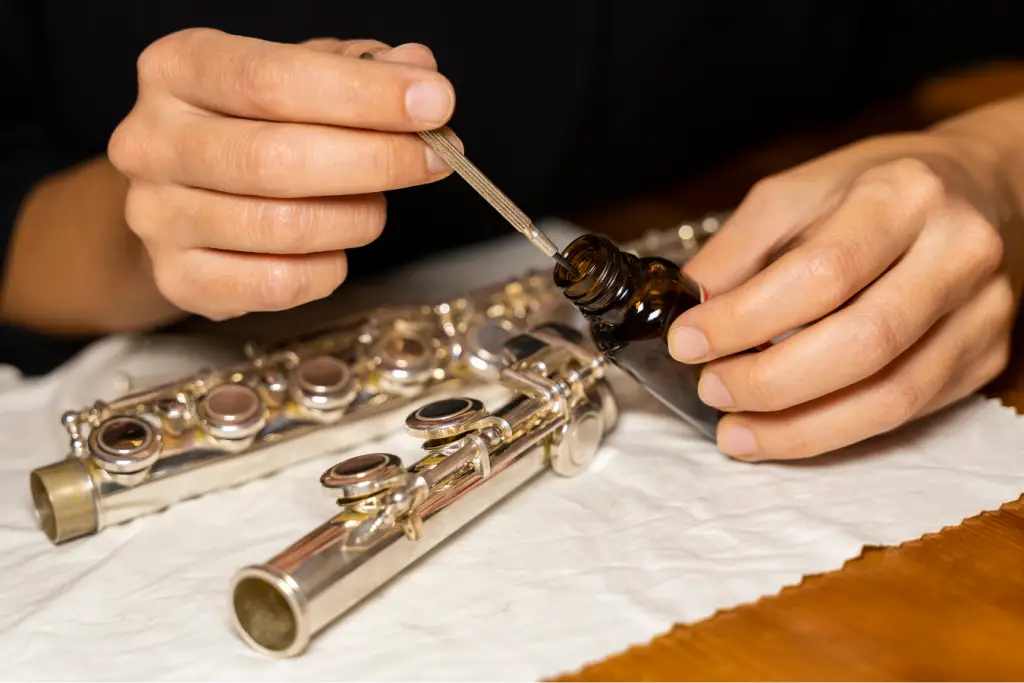
Loose screws can affect the alignment of keys, leading to poor intonation and response. Regularly checking and tightening screws is recommended to maintain proper key functioning. Using key oil sparingly can lubricate and protect the keys from corrosion without over-lubricating.
Adjusting key mechanisms may require specialized tools. Key misalignment can result in air leaks and impact playability. A professional technician should handle significant adjustments to prevent accidental damage to the instrument. Consistent care and maintenance secure both sound quality and instrument longevity.
Cleaning Tone Holes for Clear Sound
Clean tone holes are crucial for producing a clear, beautiful sound. Debris or residue can block or partially cover tone holes, disrupting the airflow. Regular cleaning with a tone hole cleaner or a soft, lint-free cloth is important. A small, flexible brush can reach difficult areas without damaging the finish.
Avoid using sharp objects that may scratch or harm the flute. For stubborn residue, a gentle cleaning solution can be used minimally. Keeping the flute in a stable environment and using a padded case can protect it from dust and harm. Consistent cleaning helps maintain sound clarity and enhances performance quality.
Long-Term Flute Maintenance Strategies
Effective long-term maintenance of a flute involves establishing a regular care routine and knowing when professional servicing is necessary. Key areas to focus on include setting a maintenance schedule and recognizing signs of wear that indicate potential issues.
Establishing a Maintenance Schedule
Creating a regular maintenance schedule is essential for preserving the flute’s performance. Owners should begin by playing the flute daily to prevent discoloration and buildup within the instrument. After each session, use a soft cleaning cloth to gently polish the surface, paying careful attention to the keys.
A cleaning rod with a piece of gauze or a swab should be used to clean the interior, ensuring the removal of moisture that may cause damage over time. It’s advisable to schedule a routine professional check at least once a year to address any mechanical issues. Proper storage practices are also crucial; the flute should be kept in a dedicated case in a stable environment to prevent damage from temperature fluctuations.
Identifying Signs of Wear
Being able to identify signs of wear on a flute is critical for its long-term care. Owners should regularly inspect the instrument for any visual indicators such as dark spots or tarnishing. If these spots cannot be removed with a polishing cloth, using a silver cloth may help to address minor surface imperfections.
They should listen for changes in tone quality, as unusual noises or resistance during play can signal internal issues. Additionally, keeping an eye on the condition of pads and springs will help in deciding when professional intervention is necessary. Regular inspections can catch minor issues before they turn into larger, more costly problems, ensuring the flute remains in peak performance condition.