
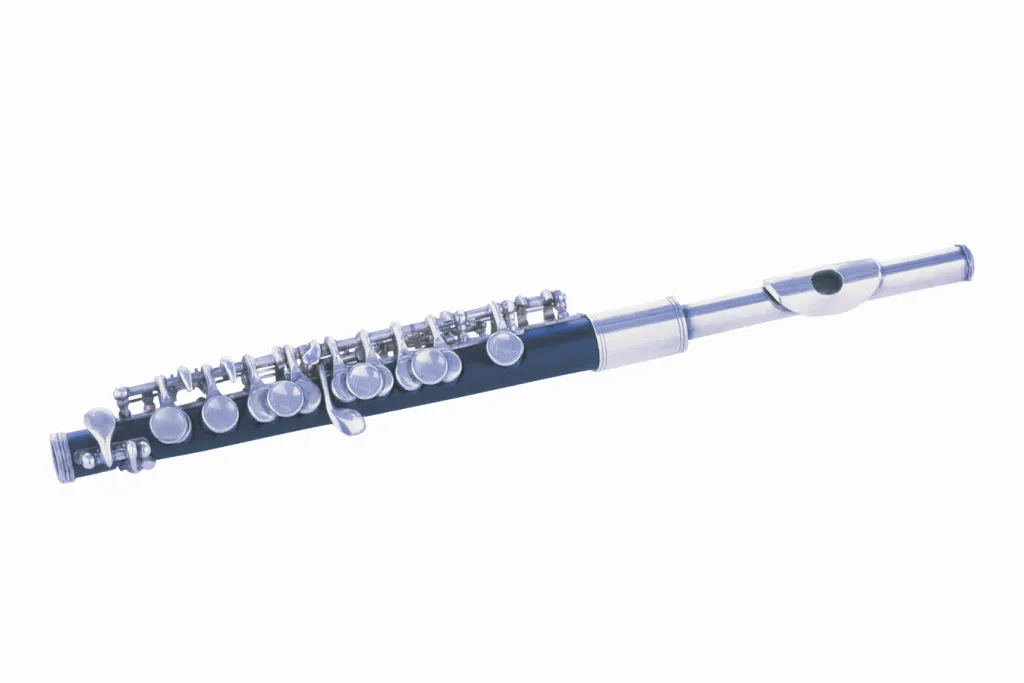
Piccolo players may encounter an unwelcome surprise when they open their instrument case – mold. This fungal growth can appear due to moisture trapped inside the piccolo or case, potentially damaging the instrument and affecting its sound quality.
If mold is found on a piccolo, it’s crucial to clean it thoroughly with a soft, dry cloth and allow it to air out completely before storing it again. For persistent mold, a mixture of vinegar and water can be used, but care must be taken not to oversaturate the instrument or damage its delicate mechanisms.
Prevention is key in avoiding mold growth on piccolos. Regular cleaning and drying after each use can help maintain the instrument’s condition and prevent moisture buildup. Storing the piccolo in a dry environment and using moisture-absorbing products in the case can also reduce the risk of mold development.
Identifying Mold on Your Piccolo
Mold growth on a piccolo can cause serious damage if left unchecked. Prompt detection is crucial for maintaining your instrument’s condition and performance. Regular inspections using visual and olfactory cues will help you spot mold early.
Visual Inspection
Check your piccolo carefully for any discoloration or fuzzy patches. Mold often appears as green, black, or white spots on the instrument’s surface. Pay close attention to:
- Joints and crevices
- The headjoint cork
- Pads and key mechanisms
- Inside the body tube
Use a small flashlight to illuminate hard-to-see areas. Look for any unusual textures or powdery substances.
Wooden piccolos are particularly susceptible to mold growth. Examine the wood grain for any changes in color or texture that may indicate mold infestation.
Recognizing Mold by Smell
A musty or earthy odor often accompanies mold growth. When inspecting your piccolo:
- Sniff the headjoint and body separately
- Pay attention to any damp or mildewy scents
- Note any persistent unpleasant odors
If you detect a musty smell, even without visible signs, your piccolo may have hidden mold growth. This is especially common in areas that retain moisture, such as the bore or under pads.
Regular cleaning and drying after each use can help prevent mold formation. If you suspect mold, consult a professional repair technician promptly to address the issue and prevent further damage.
Immediate Action to Take
If you discover mold on your piccolo, swift action is crucial. Promptly addressing the issue can help prevent further damage and protect your health. Time is of the essence when dealing with mold growth on musical instruments.
Isolating the Instrument
Remove the piccolo from its case immediately. Place it in a dry, well-ventilated area away from other instruments and belongings. This step is vital to prevent mold spores from spreading to other items. Do not attempt to play the instrument, as this could disperse mold spores and potentially cause respiratory issues.
Inspect the case thoroughly for signs of mold. If present, clean it separately or consider replacing it to avoid recontamination. Wear protective gloves and a mask during this process to minimize exposure to mold spores.
Preventing Further Growth
Control the environment around the piccolo to halt mold progression. Use a dehumidifier to reduce moisture in the air, aiming for a relative humidity below 50%. Place silica gel packets near the instrument to absorb excess moisture.
Avoid storing the piccolo in damp or humid areas. Keep it away from direct sunlight, as this can cause wood to crack or warp. If possible, leave the piccolo disassembled to allow air circulation between parts.
Do not attempt to clean the mold yourself. Contact a professional piccolo repair technician immediately for proper cleaning and restoration. They have the expertise and tools to safely remove mold without damaging the instrument.
Cleaning a Moldy Piccolo
Removing mold from a piccolo requires careful cleaning with the right supplies and techniques. Prompt action is crucial to prevent damage to the instrument and restore its playability.
Gathering Necessary Supplies
To clean a moldy piccolo, you’ll need specific items. Gather a cleaning rod and piccolo swab designed for piccolos. Obtain isopropyl alcohol (70% concentration) and cotton swabs. Prepare a soft, lint-free cloth for wiping the exterior.
Have paper towels on hand for drying. If dealing with wooden piccolos, acquire bore oil to protect the wood after cleaning. For stubborn mold, a soft-bristled brush may be necessary.
Ensure you have a clean, well-lit workspace and disposable gloves to protect your hands during the cleaning process.
Step-by-Step Cleaning Process
- Disassemble the piccolo, separating the headjoint, body, and footjoint.
- Use the cleaning rod and swab to remove loose mold from the interior. Repeat several times with a clean swab.
- Dampen a cotton swab with isopropyl alcohol. Gently clean visible mold spots inside the piccolo, being careful around pads and corks.
- Wipe the exterior with the alcohol-dampened cloth, paying special attention to key mechanisms.
- Allow the piccolo to air dry completely in a well-ventilated area.
- For wooden piccolos, apply a thin layer of bore oil to protect the wood after cleaning.
- Reassemble the piccolo and store it properly to prevent future mold growth.
If mold persists or you’re unsure about cleaning yourself, consult a professional instrument technician for thorough cleaning and maintenance.
Preventive Measures for Mold
Preventing mold growth on your piccolo requires proper storage and regular maintenance. These proactive steps can help protect your instrument and maintain its quality over time.
Proper Storage Techniques
Store your piccolo in a clean, dry case when not in use. Choose a case with a tight seal to prevent moisture from entering. Avoid storing the instrument in damp or humid areas like basements or bathrooms.
Use silica gel packets in the case to absorb excess moisture. Replace these packets regularly to ensure effectiveness. Consider investing in a hygrometer to monitor humidity levels in the storage area.
For wooden piccolos, maintain a consistent temperature and humidity level. Sudden changes can cause the wood to expand or contract, potentially leading to cracks. Aim for a relative humidity between 40-60% and a temperature around 70°F (21°C).
Regular Maintenance Tips
Clean your piccolo thoroughly after each use. Use a cleaning rod with a soft cloth to remove moisture from the inside of the instrument. Pay special attention to the headjoint and body.
Wipe down the exterior with a soft, lint-free cloth to remove fingerprints and oils. For wooden piccolos, apply a thin layer of bore oil every few months to protect the wood from moisture damage.
Regularly inspect your piccolo for signs of mold or mildew. Check the pads, case lining, and any crevices where moisture might accumulate. If you spot any discoloration or musty odors, address them immediately.
Take your piccolo to a qualified technician for annual maintenance. They can perform deep cleaning, oiling, and adjustments to keep your instrument in top condition.