
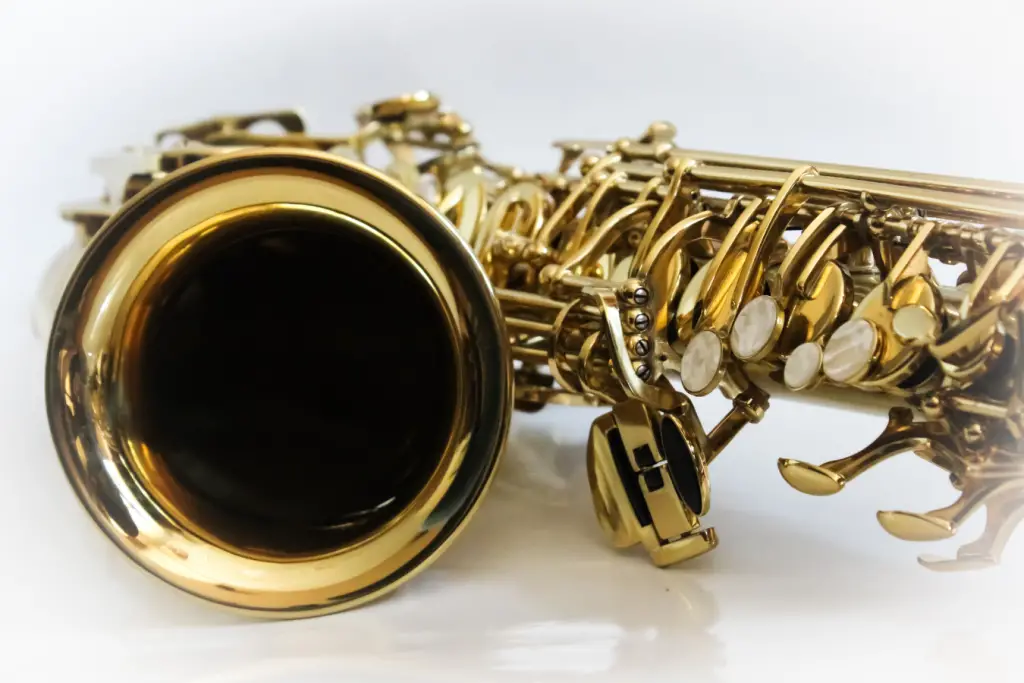
Choosing the right saxophone as a beginner can significantly impact your musical journey. Many factors come into play when selecting an instrument, including quality, price, and ease of use. While personal preferences vary, certain brands consistently stand out in the beginner saxophone market.
For beginners, Yamaha is widely regarded as the best saxophone brand, with the YAS-280 alto saxophone being a top choice. This model offers excellent craftsmanship, precise intonation, and user-friendly features that make it ideal for those just starting their saxophone journey. Yamaha’s reputation for producing high-quality instruments extends from student models to professional-grade saxophones.
Other reputable brands like Jean Paul and Mendini also offer solid options for beginners. These saxophones provide good value for money and can be suitable alternatives for those on a tighter budget. When choosing a saxophone, it’s essential to consider factors such as build quality, tone production, and comfort to ensure a positive learning experience.
Factors to Consider When Choosing a Saxophone
Selecting the right saxophone involves evaluating several key aspects. These factors will impact your playing experience, sound quality, and overall satisfaction with the instrument.
Type of Saxophone
Saxophones come in various types, each with its unique characteristics. The alto saxophone is often recommended for beginners due to its manageable size and versatility. Tenor saxophones offer a deeper tone and are popular in jazz and rock music.
Soprano saxophones have a higher pitch and can be more challenging for novices. Baritone saxophones produce the lowest tones but are larger and heavier.
For students, schools typically start with alto saxophones. This allows players to develop foundational skills before transitioning to other types if desired.
Price and Budget
Saxophone prices vary widely, reflecting differences in quality and craftsmanship. Entry-level instruments are more affordable but may lack some features of higher-end models.
Intermediate saxophones offer improved sound quality and durability at a moderate price point. Professional-grade saxophones provide the best performance but come with a hefty price tag.
Renting or buying used instruments can be cost-effective options for beginners. These choices allow players to test their commitment before investing in a new saxophone.
It’s crucial to balance budget constraints with the instrument’s quality to ensure a positive learning experience.
Durability and Construction
The saxophone’s construction significantly affects its longevity and sound quality. Brass is the primary material used, with different finishes available.
Lacquered brass is common in student models, offering adequate protection. Silver-plated saxophones provide a brighter tone but require more maintenance.
Key mechanisms should feel smooth and responsive. Reinforced key posts and quality pads contribute to better durability and sound production.
For beginners, sturdy student models from reputable brands offer a good balance of durability and playability. These saxophones can withstand the learning process while providing satisfactory sound quality.
Top Beginner Saxophone Brands
Choosing the right saxophone brand is crucial for beginners. Three brands stand out for their quality, durability, and suitability for new players. These brands offer instruments that balance affordability with excellent craftsmanship.
Yamaha
Yamaha saxophones are renowned for their exceptional quality and suitability for beginners. The Yamaha YAS-280 alto saxophone is a top choice for new players. It features precise craftsmanship and great intonation, making it easier for beginners to produce a good sound.
Yamaha saxophones are known for their:
- Lightweight design
- Durable construction
- Excellent intonation
- Ergonomic key placement
These features help new players develop proper technique and maintain good posture while playing. Yamaha’s attention to detail in manufacturing ensures that even their beginner models meet high standards of quality.
Selmer
Selmer saxophones have a long-standing reputation in the music industry. While they offer professional-grade instruments, Selmer also produces excellent saxophones for beginners. Their student models provide a good balance of quality and affordability.
Key features of Selmer beginner saxophones include:
- Responsive keys
- Rich, warm tone
- Durable brass construction
- Adjustable thumb rest
Selmer saxophones often come with a high F# key, which extends the instrument’s range and allows for more advanced playing as the student progresses. The brand’s commitment to quality ensures that even their entry-level instruments can serve players well into intermediate levels.
Jupiter
Jupiter saxophones are known for their affordability and reliability, making them an excellent choice for beginners. These instruments offer good value for money without compromising on essential features.
Jupiter beginner saxophones typically offer:
- Sturdy construction
- Smooth key action
- Accurate intonation
- Comfortable ergonomics
The brand focuses on creating instruments that are easy to play and maintain. Jupiter saxophones often come with features like adjustable palm keys and comfortable hand positioning, which help new players develop proper technique from the start. Their affordability also makes them a popular choice for school music programs.
Where to Purchase Your Saxophone
When buying a saxophone, you have two main options: local music stores and online retailers. Each offers distinct advantages for beginners looking to acquire their first instrument.
Local Music Stores
Local music stores provide a hands-on experience for saxophone shoppers. You can try out different saxophones in person, feeling the weight and testing the sound quality. Staff members often have musical expertise and can offer personalized advice.
Many stores offer rental programs, allowing beginners to test an instrument before committing to a purchase. This can be especially helpful for students or those unsure about long-term commitment.
Local shops frequently provide maintenance services and lessons, creating a supportive environment for new players. They may also stock essential accessories like reeds, cleaning kits, and music books.
Online Retailers
Online shopping offers convenience and a wider selection of saxophones. Websites like Amazon and specialized music retailers provide detailed product descriptions, customer reviews, and comparison tools.
Online prices can be competitive, with frequent sales and discounts. Many retailers offer free shipping and easy return policies, reducing the risk of purchasing sight unseen.
Some online stores provide virtual demos or video reviews of saxophones. This can help buyers get a sense of the instrument’s sound and appearance before purchase.
Digital marketplaces often stock a range of brands, from budget-friendly options to professional models. This allows buyers to compare features and prices across multiple manufacturers easily.
Maintaining Your Beginner Saxophone
Proper maintenance is crucial for keeping your beginner saxophone in optimal playing condition. Regular cleaning, careful storage, and gentle handling will extend the life of your instrument and ensure consistent performance.
Regular Cleaning
Clean your saxophone after each use to prevent buildup of saliva and debris. Use a swab to remove moisture from the bore and neck.
For the mouthpiece, use warm water and mild soap, then rinse thoroughly and dry with a soft cloth. Avoid hot water, which can damage the mouthpiece.
Wipe down the body and keys with a soft, lint-free cloth to remove fingerprints and dust. Pay special attention to areas where moisture can accumulate, such as the octave key mechanism.
Every few weeks, give your sax a deeper clean. Use key oil on moving parts and cork grease on tenon corks to maintain smooth operation.
Proper Storage
Always store your saxophone in its case when not in use. This protects it from accidental damage, dust, and temperature fluctuations.
Place the instrument carefully in the case, ensuring no parts are under stress. Remove the reed from the mouthpiece and store it separately in a reed case.
Keep the case in a cool, dry place away from direct sunlight and heat sources. Extreme temperatures can affect the instrument’s tuning and damage its finish.
Avoid storing other items in the saxophone case that could scratch or dent the instrument. Use designated compartments for accessories like reeds and cleaning supplies.
Handling and Care
Handle your saxophone with clean, dry hands to prevent tarnishing and corrosion. Always hold it by the bell or body, never by the keys or neck.
When assembling, apply cork grease sparingly to ensure smooth connections without forcing parts together. Align keys carefully to avoid bending or misalignment.
Be gentle when adjusting the neck strap or stand. Avoid bumping the saxophone against hard surfaces or other instruments.
Regularly check for loose screws or pads. If you notice any issues, such as sticky keys or unusual sounds, consult a professional technician for repairs.