
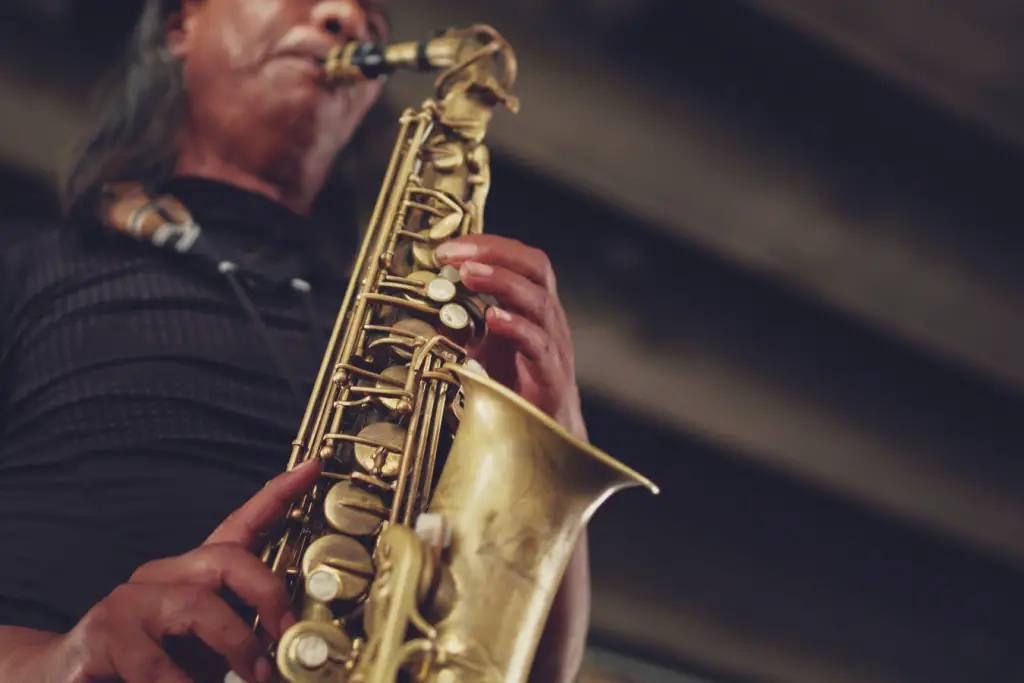
The saxophone, with its smooth and soulful sound, has captivated audiences across various musical genres. From jazz to rock and pop, many renowned musicians have embraced this versatile instrument. Some of the most famous saxophone players include Charlie Parker, John Coltrane, Kenny G, and Candy Dulfer.
These talented artists have left an indelible mark on the music industry, each bringing their unique style and flair to the saxophone. Charlie Parker revolutionized jazz with his innovative bebop style, while John Coltrane’s spiritual approach to music inspired generations of musicians. Kenny G’s smooth jazz has made him a household name, and Candy Dulfer has made waves as a modern pop saxophonist.
The saxophone’s popularity extends beyond jazz, with many rock and pop musicians incorporating its distinctive sound into their music. Notable examples include Clarence Clemons from Bruce Springsteen’s E Street Band and Bobby Keys, who played with The Rolling Stones. These artists demonstrate the saxophone’s ability to enhance various musical styles and continue to inspire aspiring musicians worldwide.
Origins and Evolution of Saxophone in Music
The saxophone’s journey from invention to prominence spans nearly two centuries. Its unique sound has shaped multiple genres and captivated audiences worldwide, becoming an integral part of both classical and popular music.
Adolphe Sax and the Invention
Adolphe Sax invented the saxophone in the early 1840s, patenting it in 1846. Born in Belgium in 1814, Sax was a musical instrument designer who played various wind instruments. His goal was to create an instrument that combined the best qualities of woodwind and brass instruments.
Sax’s invention quickly gained attention in the musical world. The saxophone family includes several sizes, from soprano to bass, each with its unique tonal characteristics. Initially, the instrument found its place in military bands and orchestras.
Despite its innovative design, the saxophone faced opposition from some established instrument makers and musicians. This resistance temporarily hindered its widespread adoption in classical music.
Jazz and the Saxophone
The saxophone truly found its voice in jazz music during the early 20th century. Its expressive tone and versatility made it an ideal instrument for this emerging genre.
Pioneering jazz saxophonists like Sidney Bechet and Coleman Hawkins helped establish the instrument’s prominence. Their improvisational skills and unique playing styles showcased the saxophone’s potential.
As jazz evolved, so did the saxophone’s role. Bebop innovators like Charlie Parker pushed the instrument’s technical boundaries. John Coltrane’s contributions further revolutionized saxophone playing, influencing countless musicians across genres.
Classical and Contemporary
While jazz embraced the saxophone, its journey in classical music was more complex. Early classical compositions for saxophone were limited, but its presence gradually increased.
Composers like Debussy and Ravel began incorporating the saxophone into their orchestral works. The instrument’s unique timbre added new colors to the classical palette.
In contemporary music, the saxophone has found a place in various genres. From rock and pop to avant-garde classical compositions, its versatility continues to shine. Modern classical saxophonists have expanded the instrument’s repertoire, commissioning new works and exploring extended techniques.
Influential Saxophonists in Jazz
The saxophone has been central to jazz music’s development, with several players leaving an indelible mark on the genre. These pioneering musicians expanded the instrument’s possibilities and shaped the course of jazz history.
Charlie Parker
Charlie “Bird” Parker revolutionized jazz in the 1940s with his innovative bebop style. His lightning-fast improvisations and complex harmonic ideas set new standards for jazz musicians. Parker’s alto saxophone playing was characterized by rapid-fire notes, unexpected rhythmic accents, and a rich, full tone.
Parker’s influence extended beyond his technical prowess. He introduced a new vocabulary to jazz, incorporating elements of blues and swing into his bebop innovations. His compositions like “Ornithology” and “Yardbird Suite” became jazz standards.
Despite a tragically short life, Parker’s impact on jazz was profound. He inspired generations of saxophonists and other instrumentalists to push the boundaries of their craft.
John Coltrane
John Coltrane’s tenor saxophone playing pushed the boundaries of jazz in the 1950s and 1960s. Known for his “sheets of sound” technique, Coltrane could play rapid cascades of notes that seemed to overlap and blend together.
Coltrane’s spiritual approach to music led him to explore modal jazz and free jazz. His album “A Love Supreme” is considered a masterpiece, showcasing his intense, searching style and deep emotional expression.
His later work incorporated elements of avant-garde and world music, expanding jazz’s sonic palette. Coltrane’s technical virtuosity, harmonic innovations, and spiritual depth continue to inspire saxophonists and jazz musicians today.
Sonny Rollins
Sonny Rollins, known as the “Saxophone Colossus,” has been a dominant force in jazz for over six decades. His robust tone and inventive improvisation style have made him one of the most influential tenor saxophonists in jazz history.
Rollins is renowned for his thematic improvisation, where he develops and transforms melodic ideas throughout a solo. His ability to construct logical, coherent solos even in challenging harmonic contexts is unparalleled.
Some of Rollins’ most famous recordings include “St. Thomas” and “Oleo.” He continues to be celebrated for his enduring creativity and his significant contributions to the development of hard bop and post-bop styles in jazz.
Notable Saxophonists in Rock and Pop Music
The saxophone has played a significant role in shaping the sound of rock and pop music. Several talented saxophonists have left an indelible mark on these genres, bringing their unique styles and memorable solos to countless hit songs.
Clarence Clemons
Clarence Clemons, known as “The Big Man,” was an integral part of Bruce Springsteen’s E Street Band. His powerful saxophone solos became a defining element of the group’s sound. Clemons’ iconic saxophone work can be heard on numerous Springsteen classics, including “Born to Run” and “Thunder Road.”
Clemons’ influence extended beyond his work with Springsteen. He collaborated with other notable artists such as Aretha Franklin and Lady Gaga. His distinctive playing style combined elements of R&B, soul, and rock, creating a sound that was both emotive and energetic.
In 2014, Clemons was posthumously inducted into the Rock & Roll Hall of Fame as a member of the E Street Band, solidifying his legacy in rock music history.
David Sanborn
David Sanborn is a versatile saxophonist who has made significant contributions to both jazz and pop music. His smooth, soulful style has graced recordings by numerous pop and rock artists, including David Bowie, Paul Simon, and Stevie Wonder.
Sanborn’s work on David Bowie’s “Young Americans” album helped popularize the use of saxophone in rock music during the 1970s. His distinctive alto saxophone sound became highly sought after, leading to collaborations with a wide range of artists across various genres.
As a solo artist, Sanborn has released numerous albums that blend elements of jazz, R&B, and pop. His accessible yet sophisticated approach to the saxophone has earned him multiple Grammy Awards and a dedicated following.
Kenny G
Kenny G, born Kenneth Bruce Gorelick, is one of the best-selling instrumental musicians of all time. Known for his smooth jazz style, Kenny G has achieved widespread commercial success and brought the soprano saxophone to mainstream audiences.
His 1986 album “Duotones” catapulted him to stardom, featuring the hit single “Songbird.” Kenny G’s melodic and accessible approach to the saxophone has made him a popular choice for collaborations with pop artists such as Whitney Houston and Celine Dion.
While some critics have debated the artistic merits of his work, Kenny G’s impact on popularizing the saxophone in contemporary music is undeniable. His technical proficiency and signature sound have influenced many aspiring saxophonists and helped maintain the instrument’s relevance in modern pop music.
Saxophone Techniques and Styles
The saxophone has been used across various musical genres, each developing unique playing techniques and styles. From rapid-fire bebop lines to soulful R&B riffs and smooth jazz melodies, saxophonists have pushed the instrument’s boundaries to create distinctive sounds.
Bebop
Bebop saxophonists revolutionized jazz with their fast-paced, complex improvisations. Charlie Parker pioneered this style, introducing rapid chord changes and intricate melodic lines.
Key bebop saxophone techniques include:
- Rapid articulation
- Advanced harmonic substitutions
- Use of upper chord extensions
- Ghost notes and rhythmic displacement
Saxophonists like John Coltrane further expanded on bebop, incorporating modal jazz elements and extended techniques such as multiphonics and overblowing.
Funk and R&B Saxophone
Funk and R&B saxophonists developed a more rhythmic, groove-oriented style. Players like Maceo Parker popularized punchy, staccato phrases and repetitive riffs.
Signature funk and R&B saxophone techniques:
- Short, percussive bursts
- Growling and honking effects
- Bend notes and falls
- Use of altissimo register for screaming high notes
These techniques create the energetic, danceable saxophone lines characteristic of funk and R&B music.
Smooth Jazz
Smooth jazz saxophonists focus on melodic playing and a warm, accessible tone. Candy Dulfer exemplifies this style with her lyrical phrasing and emotive playing.
Smooth jazz saxophone techniques include:
- Emphasis on vibrato and sustain
- Use of electronic effects like reverb
- Subtle articulation and gentle attacks
- Focus on mid-range notes for a mellow sound
Smooth jazz players often blend elements of pop, R&B, and traditional jazz to create their distinctive sound.