
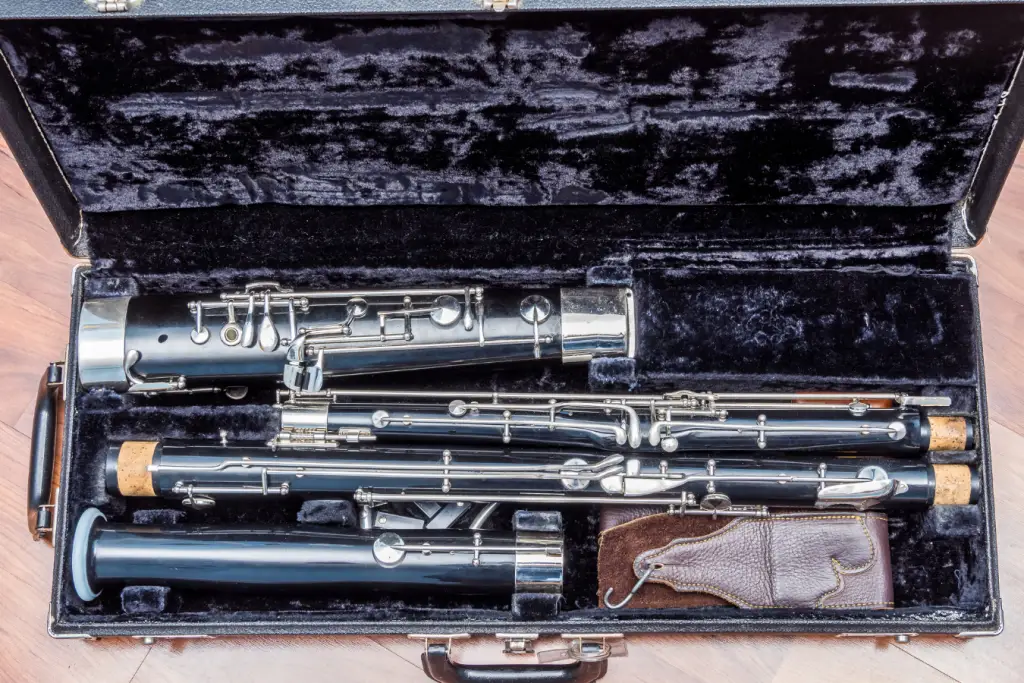
Practicing the bassoon effectively requires more than just playing through music randomly. To build technical proficiency, musicality, and endurance, you need a structured routine that balances warm-ups, technical exercises, and repertoire practice. Whether you’re a beginner or an advanced player, a well-organized practice routine will help you progress steadily and avoid frustration.
This guide will cover how to structure your practice sessions, effective warm-up exercises, technical drills, and strategies for learning music efficiently.
1. How to Structure an Effective Bassoon Practice Routine
A good practice session includes four main components:
- Warm-ups – Focus on breath control, tone production, and flexibility.
- Technical Exercises – Scales, arpeggios, finger drills, and articulation practice.
- Repertoire Practice – Working on etudes, solos, or ensemble pieces.
- Cool-down and Reflection – Light playing, improvisation, or reviewing progress.
Suggested Time Breakdown (for a 60-minute practice session)
- 10-15 minutes – Warm-up exercises
- 15-20 minutes – Technical drills
- 20-30 minutes – Repertoire practice
- 5 minutes – Cool-down and reflection
You can adjust this based on your skill level and available practice time.
2. Warm-Up Routine: Preparing for a Productive Session
A good warm-up prepares your body and mind for an effective practice session.
A. Breathing Exercises
- Diaphragmatic breathing: Take deep, slow breaths in and out to increase lung capacity.
- Air flow control: Blow air through the instrument without playing to develop steady airflow.
B. Long Tones for Tone and Control
- Play long, sustained notes starting in the middle register and expanding outward.
- Focus on even air pressure, smooth tone, and controlled dynamics.
- Gradually increase and decrease volume (crescendo and decrescendo) on each note.
C. Lip Flexibility Exercises
- Start on a middle G or F and slur up and down to neighboring notes without tonguing.
- This helps develop embouchure flexibility and control.
D. Register Shifts and Octave Jumps
- Play slow slurred intervals, such as low F to middle F, to develop smooth transitions.
3. Technical Exercises for Stronger Playing
Technical exercises help build finger dexterity, articulation control, and intonation accuracy.
A. Scale and Arpeggio Practice
- Practice major and minor scales daily.
- Play slowly first, then gradually increase speed.
- Use different articulation patterns (slurred, tongued, staccato).
B. Chromatic Scales for Smooth Finger Motion
- Play full-range chromatic scales to improve finger accuracy.
- Use even finger motion and avoid unnecessary tension.
C. Finger Coordination Drills
- Work on fast finger passages from etudes or scales.
- Use a metronome and increase speed gradually.
D. Articulation and Tonguing Practice
- Practice single tonguing on short notes (staccato).
- Work on double tonguing for fast passages (“ta-ka-ta-ka”).
- Use exercises with repeated notes to improve clarity and speed.
4. Repertoire Practice: Learning Music Efficiently
Once warm-ups and technical drills are complete, it’s time to focus on repertoire.
A. Break Pieces into Small Sections
- Instead of playing through a piece start to finish, work on short sections.
- Master difficult passages first, then connect them.
B. Slow Practice with a Metronome
- Play at a slow, controlled tempo before increasing speed.
- Focus on rhythm accuracy and clean finger transitions.
C. Isolate Problem Areas
- Identify challenging measures and repeat them slowly.
- Use different rhythms to build muscle memory.
D. Record Yourself
- Listen for intonation, phrasing, and articulation issues.
- Compare recordings over time to track progress.
E. Play with a Drone or Tuner
- Playing against a drone improves intonation.
- Use a tuner to check pitch accuracy on sustained notes.
5. Musical Expression and Interpretation
Great bassoon playing isn’t just about technical accuracy; it’s about musicality and expressiveness.
A. Focus on Dynamics and Phrasing
- Experiment with crescendo and decrescendo for expressive shaping.
- Identify musical peaks and highlight them dynamically.
B. Experiment with Vibrato
- Use controlled vibrato to enhance phrasing.
- Avoid overuse—keep it natural and stylistically appropriate.
C. Listen to Professional Bassoonists
- Study recordings of great bassoonists to understand tone and phrasing.
- Try to imitate their musicality in your own playing.
6. Additional Tips for Productive Practice
A. Use a Metronome
- Helps with rhythm stability and even tempo.
- Start slowly and increase speed gradually.
B. Track Your Progress
- Keep a practice journal to note improvements and challenges.
- Write down specific goals for each session.
C. Take Breaks
- Avoid playing too long without rest to prevent fatigue.
- Short 5-minute breaks every 30-40 minutes improve focus.
D. Maintain Your Instrument
- Regularly clean and adjust your bassoon to keep it in top playing condition.
- Check for leaks or key issues that might affect response.
7. Building Consistency in Your Practice Routine
A. Set a Realistic Schedule
- Even 30-45 minutes a day is effective if practiced consistently.
- Avoid skipping days, as consistency leads to progress.
B. Vary Your Practice Routine
- Rotate exercises and repertoire to stay motivated.
- Try playing different styles of music to expand your skills.
C. Stay Motivated
- Set short-term and long-term goals (e.g., mastering a difficult passage, preparing for a performance).
- Play music you enjoy to make practice sessions fulfilling.
8. Conclusion: How to Make the Most of Your Practice Time
A structured bassoon practice routine helps build technique, improve musicality, and increase endurance. By following a routine that includes warm-ups, technical exercises, and repertoire practice, you will see steady improvement over time.
Key Takeaways:
✔ Start with warm-ups to prepare your embouchure, air support, and fingers.
✔ Practice scales and technical drills to build speed and accuracy.
✔ Use slow, mindful practice when learning new pieces.
✔ Record yourself and listen critically for improvement areas.
✔ Stay consistent—even shorter, focused sessions are better than sporadic long ones.
With patience and a well-organized approach, you will develop strong bassoon-playing skills and enjoy a more rewarding musical journey. Happy practicing! 🎶