
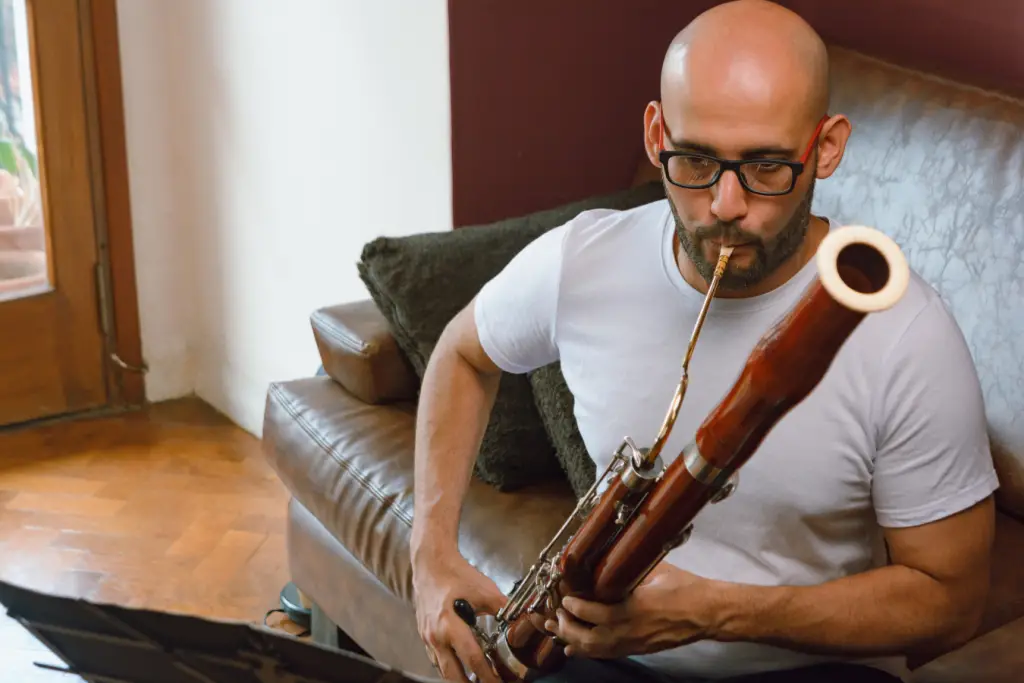
The bassoon is a unique and versatile woodwind instrument known for its rich, resonant sound and complex playing technique. One question that often arises among bassoonists, especially beginners, is whether it’s better to play while sitting down or standing up. While some instruments, such as the clarinet or flute, are typically played while seated, the bassoon presents some unique challenges and considerations when it comes to posture.
In this article, we’ll explore the pros and cons of both sitting and standing while playing the bassoon, examine the potential effects on technique and health, and provide tips for optimal positioning to help you achieve your best sound.
The Basics of Bassoon Playing Posture
Proper posture is essential for any wind instrument, but the bassoon’s size and weight make posture especially important for maximizing comfort and technique. Whether sitting or standing, your posture can significantly impact your playing ability, sound production, and long-term health.
Key Elements of Proper Posture:
- Straight Back: Whether seated or standing, maintaining an upright posture with a straight back is crucial for supporting breath control and proper airflow.
- Relaxed Shoulders: Avoid tension in the shoulders. This allows for proper breath support and avoids fatigue.
- Elbow Position: Keep your elbows slightly bent and at a comfortable angle to hold the bassoon without straining.
- Reed Angle: Make sure your reed is aligned with your embouchure and that the bassoon sits comfortably in your hands without unnecessary force.
Playing While Sitting Down
Most bassoonists begin their journey sitting down, and this posture is often the most natural and comfortable for beginners, especially during private practice sessions or lessons. However, as players advance, they may begin to explore the benefits of standing while performing.
Advantages of Sitting While Playing:
- Comfort and Support:
- Sitting down allows you to lean against a chair, providing back support and reducing strain on the body.
- It can be easier to maintain a stable, relaxed position when seated, particularly during long practice sessions or rehearsals.
- Better Balance for the Instrument:
- The bassoon is a large instrument, and holding it while sitting allows you to rest the bottom of the instrument on the floor, giving it better balance.
- This position helps distribute the instrument’s weight more evenly, making it easier to control.
- Increased Focus on Technique:
- With the instrument resting on the floor and your body supported, you may find it easier to concentrate on your playing technique and sound production.
- Sitting can reduce the likelihood of fatigue during practice, allowing you to focus on perfecting your embouchure and breath support.
- Recommended for Beginners:
- When starting out, it’s often best to learn in a seated position so you can focus on developing proper technique without the added challenge of maintaining balance.
- Seated playing helps new players understand the correct alignment and finger placements before standing.
Disadvantages of Sitting While Playing:
- Limited Breathing Capacity:
- Sitting for long periods may restrict diaphragmatic breathing, especially if the back is slouched.
- While sitting, the body is more likely to sink into a relaxed position that limits the depth of breaths, which could impact your sound and tone.
- Postural Issues:
- Prolonged sitting can lead to slouching or poor posture, which can affect your embouchure and airflow.
- Not sitting properly (e.g., without sufficient back support or a correct angle) can lead to muscle tension and discomfort.
Playing While Standing
While sitting provides comfort, standing up to play the bassoon offers a different set of benefits that can improve certain aspects of your performance, especially in ensemble settings or performances.
Advantages of Standing While Playing:
- Improved Breathing and Air Support:
- Standing promotes a more natural, open posture that allows for better lung expansion and diaphragmatic breathing.
- With more room for deep breaths, you can achieve greater control over your air supply, improving your tone and overall sound.
- Enhanced Stamina and Endurance:
- Standing encourages better circulation and prevents fatigue that may develop from sitting for extended periods.
- This can be particularly beneficial during long rehearsals or performances where you need to maintain energy and focus.
- Better Freedom of Movement:
- Standing allows for more freedom of movement, which can be helpful when playing in an ensemble, particularly if you need to look around or move between different parts of the stage.
- It also allows for better physical expression while playing, especially when you need to engage with the audience or fellow musicians.
- Stronger Postural Alignment:
- With good posture, standing helps keep the back straight and shoulders relaxed, reducing the potential for slouching or discomfort.
- This posture reinforces a more powerful, stable foundation for playing, which helps with breath control and embouchure.
- Preferred in Performance Settings:
- Many bassoonists opt to stand when performing in orchestras, ensembles, or solo performances. This allows them to interact more freely with the rest of the group and enhances their stage presence.
Disadvantages of Standing While Playing:
- Strain on the Body:
- For long periods, standing can create fatigue or strain on the legs, back, and arms, especially if posture is not maintained properly.
- Without the support of a chair, it can be harder to distribute the weight of the bassoon evenly, leading to discomfort or tension in the hands, shoulders, or neck.
- Instrument Balance Challenges:
- The bassoon is heavy, and holding it while standing requires more muscular effort, especially in the arms and hands.
- Without a sturdy support system, players might experience difficulty balancing the instrument, especially in long passages or when changing fingerings quickly.
How to Maintain Proper Posture Whether Sitting or Standing
Regardless of whether you choose to sit or stand while playing, it is essential to focus on proper posture to avoid injury and improve sound quality.
Tips for Sitting:
- Sit Up Straight: Make sure your back is straight and supported by the chair, avoiding slouching.
- Feet Flat on the Floor: Position your feet flat on the floor and avoid crossing your legs. This provides better balance and prevents fatigue.
- Position the Bassoon Properly: Ensure the bottom of the bassoon rests on the floor, supporting the weight of the instrument. Your hands should be relaxed, and your embouchure should not be strained.
Tips for Standing:
- Engage Your Core: Stand with your feet shoulder-width apart, and use your core muscles to support your posture.
- Avoid Locking Knees: Keep a slight bend in your knees to avoid locking them, which can cause tension in the body.
- Hold the Instrument Comfortably: Ensure the bassoon is balanced between your hands and body. Consider using a neck strap or bassoon stand for additional support if needed.
- Relax Your Shoulders and Arms: Let your arms hang naturally and avoid tensing your shoulders, which can affect your breath control and embouchure.
Should You Sit or Stand? The Decision Depends on You
The decision of whether to play the bassoon sitting down or standing up is a personal one. Both postures have their unique benefits and drawbacks, and the best choice depends on your specific needs, comfort, and the context of your performance.
- For Practice: Many players start by sitting down during practice sessions, as it allows for better focus on technique and a more stable playing position.
- For Performance: Standing may be preferred in performance settings due to its benefits for breathing and physical expression. Some musicians choose to alternate between sitting and standing depending on the piece or the length of the performance.
Ultimately, your posture should always prioritize comfort, health, and musical expression. Whether seated or standing, always focus on maintaining a relaxed, efficient playing position to ensure the best possible sound production and overall performance.
Conclusion
Both sitting and standing have their advantages when it comes to playing the bassoon. The key is to experiment with both positions, listen to how your sound changes, and choose the posture that feels most comfortable and effective for your musical goals. Whatever posture you choose, proper alignment and body awareness are crucial for preventing fatigue, improving your playing technique, and ensuring a more enjoyable experience with this fascinating instrument.