
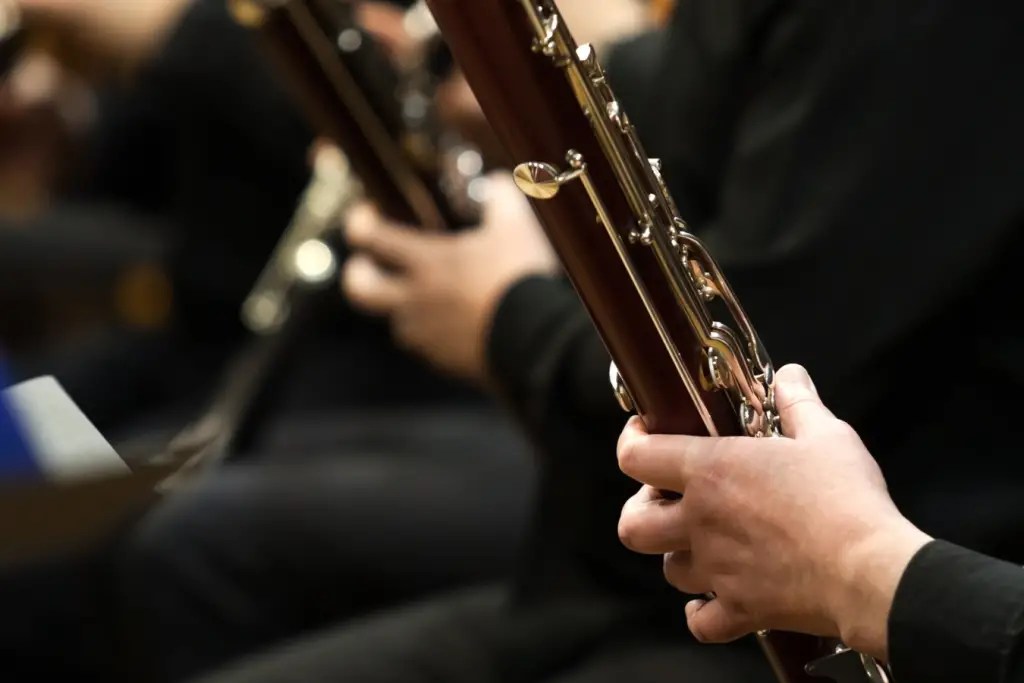
The bassoon is a beautiful and complex instrument, but learning to play it effectively begins with mastering proper posture. How you hold your bassoon directly impacts your comfort, technique, and sound production. In this guide, we’ll explore the essentials of bassoon posture and provide tips to help beginners and experienced players alike maintain good habits.
Why Proper Posture Matters
Proper posture is vital for bassoonists for several reasons:
- Comfort: Prevents fatigue during long practice sessions or performances.
- Technique: Encourages precise finger movements and better control of the instrument.
- Breathing: Allows for optimal airflow, resulting in a richer, more consistent tone.
- Injury Prevention: Reduces the risk of strain in the back, shoulders, neck, and hands.
General Guidelines for Proper Bassoon Posture
1. Seated Position
The bassoon is usually played while seated, so selecting the right chair and maintaining proper sitting posture is essential.
- Chair Choice:
- Use a sturdy, armless chair.
- Choose a chair with a flat seat to ensure stability.
- Sitting Posture:
- Sit on the front half of the chair.
- Keep your back straight but not stiff.
- Your feet should rest flat on the floor, shoulder-width apart.
2. Instrument Position
The bassoon should rest comfortably, with its weight evenly distributed to avoid strain.
- Use a seat strap or neck strap to support the instrument.
- Position the bassoon slightly to the right of your body.
- The bassoon should lean slightly toward you, with the bocal lined up with your mouth.
Step-by-Step Guide to Holding the Bassoon
1. Adjust the Seat Strap
- Attach the seat strap to the bassoon’s ring.
- Place the strap securely under your right thigh.
- Adjust the strap length so the bassoon’s weight is supported without pulling on your hands.
2. Right Hand Placement
- Place your right thumb on the thumb rest near the bottom of the bassoon.
- Position your right fingers over the lower tone holes and keys.
3. Left Hand Placement
- Rest your left thumb on the thumb key cluster.
- Curve your left fingers gently to cover the upper tone holes and keys.
4. Bocal Alignment
- Position the bocal so that it naturally reaches your mouth without tilting your head forward or backward.
- Use your embouchure (lip positioning) to gently hold the reed in place.
Common Mistakes to Avoid
- Slouching
- Slouching can restrict your airflow and reduce your ability to play comfortably. Always sit upright with a natural curve in your lower back.
- Gripping the Instrument Too Tightly
- Avoid gripping the bassoon with excessive force. Let the seat strap or neck strap bear the weight of the instrument.
- Poor Hand Position
- Keep your fingers relaxed and curved. Avoid flattening your fingers, as it can hinder your technique.
- Incorrect Bocal Angle
- Ensure the bocal aligns naturally with your mouth to prevent straining your neck.
Tips for Developing Good Posture
- Practice with a Mirror:
- Use a mirror during practice sessions to check your posture and hand position.
- Take Frequent Breaks:
- Pause every 20-30 minutes to stretch and reset your posture.
- Use Ergonomic Accessories:
- Consider accessories like a padded seat strap, neck strap, or hand crutches to reduce strain.
- Seek Feedback:
- Ask a teacher or experienced player to observe your posture and provide constructive feedback.
Standing Position for Bassoon Playing
While most bassoonists play seated, some occasions may require standing. In such cases:
- Use a harness-style strap to evenly distribute the instrument’s weight across your shoulders.
- Stand with your feet shoulder-width apart for stability.
- Keep the bassoon at a slight angle, with the bocal aligned to your mouth.
Posture for Young or Small Players
For younger or smaller players, holding the bassoon can be more challenging due to its size and weight. Here are some adaptations:
- Shorter Bocals: Use a smaller bocal to make the instrument more manageable.
- Adjustable Chairs: Provide a chair with adjustable height to ensure proper foot placement.
- Lightweight Models: Consider beginner bassoons made from plastic for reduced weight.
Maintaining Posture During Practice
Good posture isn’t just about initial setup; it’s about maintaining alignment throughout your practice sessions.
- Warm-Up Routine:
- Stretch your arms, shoulders, and neck before playing.
- Practice breathing exercises to open up your diaphragm.
- Mindful Playing:
- Regularly check your posture during practice.
- If you notice discomfort, stop and adjust.
- Cooldown Routine:
- Stretch and relax your muscles after playing to prevent stiffness.
The Role of Core Strength in Bassoon Posture
A strong core supports good posture and reduces the risk of back pain. Incorporate exercises like planks, bridges, and yoga into your routine to strengthen your core muscles.
Conclusion
Mastering proper bassoon posture is an essential step for every player. It ensures comfort, enhances your technique, and protects you from long-term physical strain. Whether you’re sitting or standing, focusing on alignment and balance will allow you to produce the best sound and enjoy playing the bassoon for years to come. Remember, good habits start early, so take the time to set up correctly and maintain awareness of your posture as you play.