
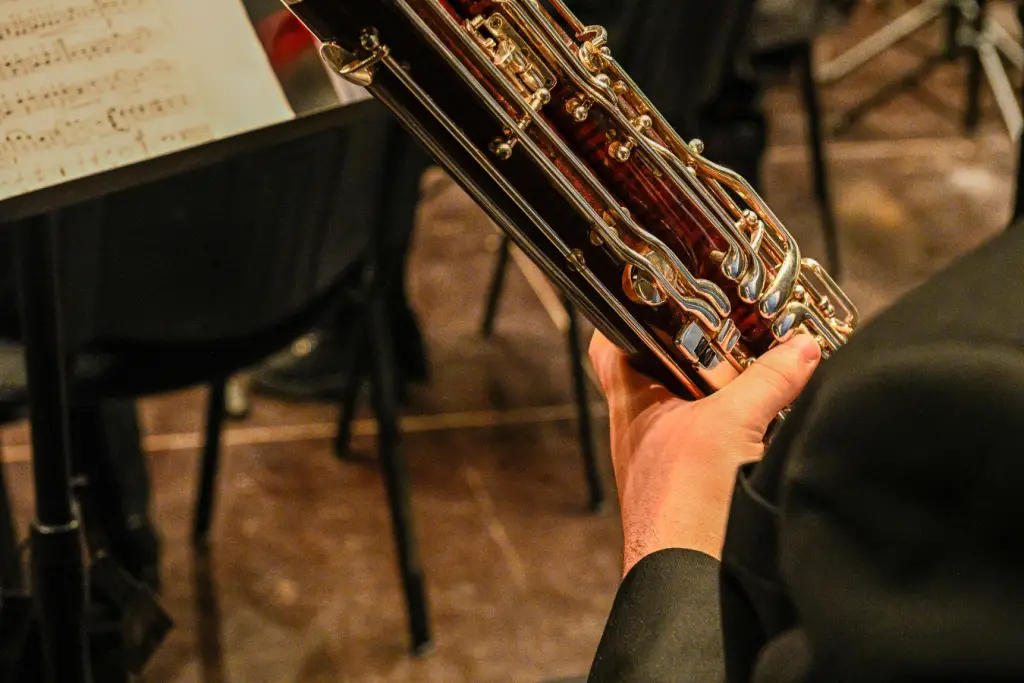
Mastering the bassoon is a rewarding journey that requires dedication, practice, and refinement of skills. Transitioning from beginner to advanced playing involves a deeper understanding of technique, musicality, and bassoon-specific knowledge. This guide breaks down key areas of focus to help you advance your skills and reach the next level of proficiency.
Developing Advanced Technique
As you progress, improving your technical skills becomes essential. Advanced playing demands precision, dexterity, and control.
1. Focus on Finger Technique
- Practice scales and arpeggios daily in all keys to improve finger fluidity.
- Work on interval leaps (e.g., octaves and fifths) to master the bassoon’s wide range.
- Use a metronome to gradually increase your speed while maintaining accuracy.
2. Refine Embouchure Control
- Learn to adjust your embouchure for different dynamics and tone colors.
- Practice long tones to develop steady airflow and consistent tone production.
- Experiment with reed positioning to find the ideal balance for your sound.
3. Improve Breath Support
- Focus on diaphragmatic breathing to sustain long phrases and play with power.
- Practice playing soft passages with control to strengthen your dynamic range.
Expanding Your Musical Knowledge
Becoming an advanced bassoonist involves more than technical mastery—it also requires a deeper understanding of music.
1. Study Music Theory
- Learn to read complex rhythms and time signatures.
- Understand key modulations, chord progressions, and harmonic structure.
- Analyze bassoon parts in orchestral and solo works to see how your part fits into the overall composition.
2. Explore Advanced Repertoire
Challenge yourself with pieces that push your abilities, such as:
- Sonatas: Weber’s Bassoon Sonata in F Major or Hindemith’s Bassoon Sonata.
- Concertos: Mozart’s Bassoon Concerto in B-flat Major, K. 191, or Vivaldi’s Bassoon Concertos.
- Chamber Music: Works like Prokofiev’s Peter and the Wolf or wind quintets by Ibert and Nielsen.
3. Listen to Professional Bassoonists
- Study recordings of great bassoonists like Klaus Thunemann, Milan Turkovic, or Judith LeClair.
- Pay attention to their phrasing, tone, and interpretation of challenging passages.
Improving Practice Habits
Effective practice is essential for transitioning from beginner to advanced playing.
1. Set Specific Goals
- Focus on areas where you feel less confident (e.g., high notes, fast runs, or difficult rhythms).
- Break pieces into smaller sections to master tricky passages before integrating them into the full piece.
2. Use a Structured Practice Routine
- Start with warm-ups, such as long tones and scales.
- Dedicate time to technical exercises and studies (e.g., Weissenborn or Milde).
- Practice repertoire and focus on musical expression.
- End with cool-down exercises to relax and maintain endurance.
3. Record Your Practice Sessions
- Listen critically to identify areas that need improvement.
- Pay attention to intonation, tone quality, and articulation.
4. Seek Professional Guidance
- Take lessons with an experienced teacher who can provide personalized feedback.
- Attend masterclasses to gain insights from accomplished players.
Mastering Advanced Articulations
Advanced players must navigate a wide range of articulations, including:
- Double-Tonguing: Essential for fast passages, especially in classical and contemporary music. Practice using syllables like “ta-ka” to achieve clarity and speed.
- Staccato Playing: Work on producing crisp, controlled short notes without sacrificing tone quality.
- Legato Articulation: Practice smooth transitions between notes using proper air support and minimal tongue movement.
Investing in Your Equipment
As you advance, the quality of your equipment becomes increasingly important.
1. Upgrade Your Bassoon
- If you started on a student model, consider upgrading to an intermediate or professional instrument.
- Look for features like high D keys, whisper key locks, and improved bore designs for better tone and playability.
2. Experiment with Reeds
- Test different reed types, such as handmade or custom reeds, to find what works best for your playing style.
- Learn basic reed adjustment techniques, like scraping and clipping, to fine-tune your sound.
3. Use Quality Accessories
- Invest in a supportive seat strap or harness for comfort during long playing sessions.
- Maintain your instrument with cleaning swabs, cork grease, and joint protectors.
Performing and Building Confidence
Performance is a crucial aspect of becoming an advanced bassoonist.
1. Join Ensembles
- Play in orchestras, wind bands, or chamber groups to gain experience.
- Ensemble playing teaches you to blend with others, follow a conductor, and adapt to different musical styles.
2. Participate in Solo Performances
- Perform at recitals, school concerts, or community events.
- Gradually increase the difficulty of your repertoire as you become more confident.
3. Record and Reflect
- Record your performances and analyze them to identify strengths and areas for improvement.
- Take note of your stage presence and audience engagement.
Overcoming Challenges
Transitioning to advanced playing can feel daunting at times. Here’s how to overcome common obstacles:
1. Manage Frustration
- Set realistic goals and celebrate small achievements.
- Remember that progress takes time, and mistakes are part of the learning process.
2. Balance Practice and Rest
- Avoid burnout by scheduling regular breaks during practice.
- Take time to enjoy other activities and recharge your creativity.
3. Seek Inspiration
- Attend live concerts or watch videos of inspiring bassoon performances.
- Connect with other musicians to share ideas and experiences.
Staying Committed to Growth
Transitioning from beginner to advanced bassoon playing is a gradual process. Stay motivated by:
- Tracking Your Progress: Keep a practice journal to document achievements and set new goals.
- Embracing Challenges: View difficult passages or techniques as opportunities for growth.
- Celebrating Milestones: Reward yourself when you master a challenging piece or technique.
Conclusion
Advancing as a bassoonist requires dedication, a focus on technique, and a passion for music. By refining your skills, exploring new repertoire, and seeking guidance from experienced players, you’ll develop the confidence and ability to tackle advanced pieces with finesse. Remember, the journey to becoming a skilled bassoonist is as rewarding as the destination. Keep practicing, stay curious, and enjoy every step of the process!