
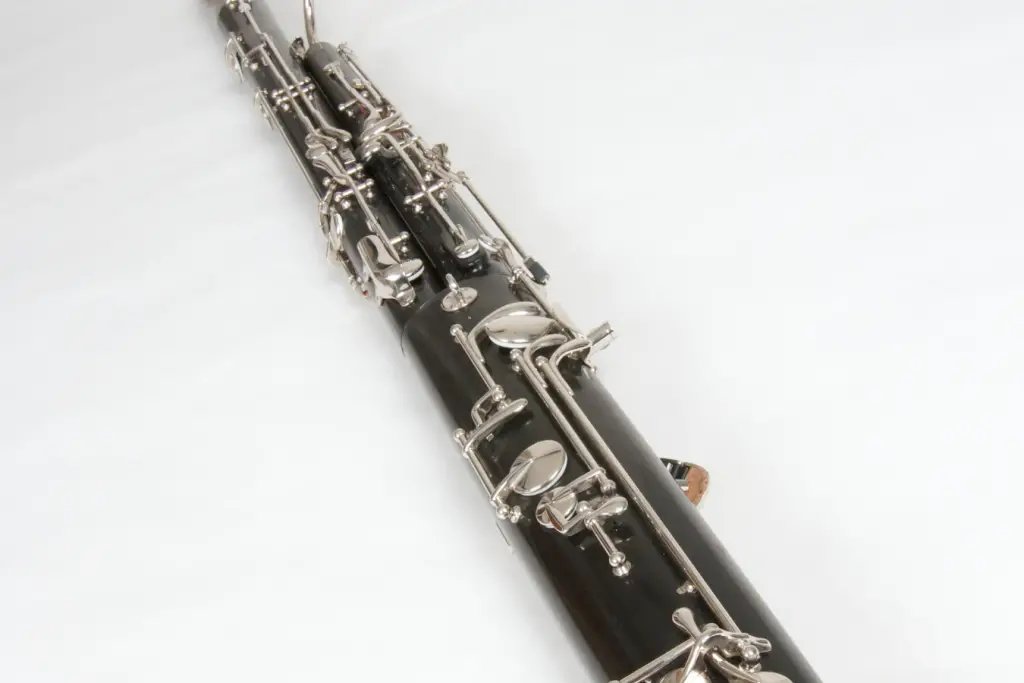
The bassoon is a delicate and complex instrument that requires regular care to ensure optimal performance, longevity, and sound quality. Proper maintenance not only helps prevent costly repairs but also allows for consistent playing experience.
This guide covers essential bassoon maintenance practices, including:
✔ Daily, weekly, and long-term care routines
✔ Cleaning and storing your bassoon properly
✔ Maintaining reeds and bocals
✔ Checking for mechanical issues
✔ Handling and transporting your instrument safely
By following these steps, you can keep your bassoon in top condition for years to come.
1. Daily Maintenance: Keeping Your Bassoon Clean After Every Use
Taking care of your bassoon after each playing session helps prevent moisture buildup, warping, and damage.
A. Swabbing the Instrument
✔ Remove moisture by swabbing the wing joint and boot joint with a bassoon swab.
✔ Avoid pulling the swab too quickly through the boot joint to prevent getting it stuck.
✔ Use a separate bocal swab to remove condensation inside the bocal.
B. Drying and Storing Reeds
✔ After playing, remove your reed from the bocal and let it air dry before storing.
✔ Keep reeds in a ventilated reed case to prevent mold growth.
✔ Never store reeds in an airtight container while still wet.
C. Wiping Down the Keys and Body
✔ Use a soft, lint-free cloth to remove fingerprints and oil from keys and wood.
✔ Avoid using harsh chemicals—a dry or slightly damp cloth is enough.
2. Weekly Maintenance: Preventing Wear and Tear
Beyond daily care, weekly maintenance helps prevent dirt and moisture buildup that can affect performance.
A. Inspecting Pads and Keys
✔ Look for sticky keys or moisture buildup on the pads.
✔ If pads are sticky, gently wipe them with cigarette paper or absorbent pad paper.
✔ Avoid using excessive force when pressing keys.
B. Checking the Bocal for Blockages
✔ Run a bocal brush or swab through the bocal to clear out residue.
✔ Inspect for dents or damage, as even small imperfections can impact tone quality.
C. Oiling Key Mechanisms (If Necessary)
✔ Only oil the key rods if recommended by a professional technician.
✔ If you notice squeaky or sluggish keys, consult a bassoon repair specialist.
3. Monthly and Long-Term Maintenance
A. Checking for Loose Screws and Rods
✔ Over time, screws and rods can loosen, affecting key action.
✔ Use a small screwdriver to gently tighten loose pivot screws, but be careful not to overtighten.
B. Deep Cleaning the Boot Joint
✔ Every few months, use a specialized bassoon cleaning brush to clear out moisture buildup inside the boot joint.
✔ Ensure all moisture is fully removed to prevent mold and wood damage.
C. Professional Adjustments
✔ Schedule a check-up with a repair technician at least once a year.
✔ A professional can check for air leaks, pad wear, and overall mechanical health.
4. Proper Reed Care: Maximizing Longevity and Performance
Since reeds directly affect your sound and response, taking care of them is essential.
A. Rotating Reeds
✔ Use multiple reeds in rotation to extend their lifespan.
✔ Playing the same reed every day shortens its usability.
B. Storing Reeds Properly
✔ Keep reeds in a reed case with ventilation.
✔ Avoid leaving reeds soaked for too long, as they can become too soft or waterlogged.
C. Reed Adjustments
✔ If reeds feel too resistant, carefully scrape the tip or side rails to balance the response.
✔ If reeds become too weak, try clipping the tip slightly to regain stability.
5. Safe Handling and Storage: Avoiding Damage
Improper handling is one of the biggest causes of accidental damage to a bassoon.
A. Assembling and Disassembling Correctly
✔ Assemble with care—never force pieces together.
✔ When connecting the boot and wing joints, hold them securely without squeezing the keys.
✔ Remove the bocal last to prevent bending.
B. Using a Quality Case
✔ Always store your bassoon in a well-padded case to prevent damage.
✔ Ensure the case is fully latched before carrying it.
✔ If possible, store the case flat instead of standing upright to reduce pressure on the instrument.
C. Transporting Your Bassoon
✔ When traveling, avoid extreme temperature changes that can cause wood cracking.
✔ Keep the case away from direct sunlight, radiators, or air vents.
✔ If flying, carry your bassoon as a carry-on item to avoid damage in checked luggage.
6. Common Bassoon Problems and How to Fix Them
Even with great care, bassoons can develop issues over time. Here are some common problems and quick fixes:
| Problem | Possible Cause | Solution |
|---|---|---|
| Gurgling sound in low notes | Water in tone holes | Remove moisture by swabbing more frequently |
| Sticky keys | Pad moisture buildup | Use pad paper to absorb excess moisture |
| Hard-to-play reed | Reed is too stiff or too soft | Adjust the reed or use a different one |
| Loose bocal | Cork has dried out | Wrap cork with thread or replace the bocal cork |
| Weak sound or air leaks | Worn-out pads or leaks in joints | Consult a professional for adjustments |
7. Professional Servicing: When to Seek Help
Some bassoon maintenance requires a professional touch. Seek a repair technician if you notice:
✔ Significant air leaks affecting tone quality
✔ Pads that won’t seal properly despite cleaning
✔ Bent keys or rods affecting fingering and response
✔ Cracks in the wood (these should be addressed immediately!)
Regular servicing by a professional ensures your bassoon remains in top playing condition for years.
Final Thoughts: A Well-Maintained Bassoon for Optimal Performance
Taking care of your bassoon is a daily responsibility that directly impacts your sound, playability, and longevity of the instrument. By:
✅ Following a daily cleaning routine
✅ Checking reeds and bocals regularly
✅ Inspecting for mechanical issues
✅ Handling and storing your instrument safely
✅ Seeking professional maintenance when needed
…you’ll be able to keep your bassoon in top condition for many years.
With proper care, your bassoon will continue to produce a rich, resonant sound while providing a smooth and enjoyable playing experience. Happy playing!