
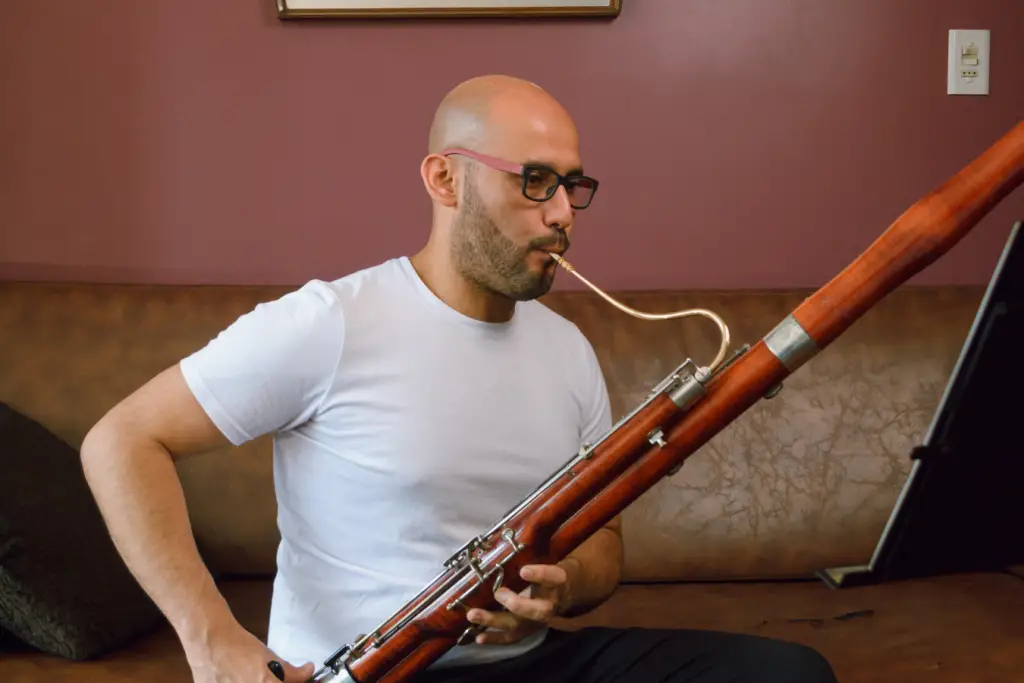
The bassoon, a cornerstone of the woodwind family, is as complex as it is fascinating. One of its defining features is the intricate system of keys that enable players to produce its wide range of notes. In this article, we’ll delve into the number of keys on a bassoon, their specific functions, and how they work together to create its distinctive sound.
The Basics: How Many Keys Are on a Bassoon?
A standard modern bassoon typically has between 21 and 28 keys, depending on the make and model. These keys, combined with the instrument’s finger holes, provide a versatile mechanism for producing pitches, dynamics, and tone colors.
- Student Models: Usually have around 21–22 keys, designed for simplicity and ease of learning.
- Professional Models: Feature up to 28 keys, offering additional functionality for advanced techniques and extended range.
What Do the Keys on a Bassoon Do?
The bassoon’s keys serve several essential functions:
- Control Pitch: The keys open and close tone holes along the instrument’s bore to produce different notes.
- Enhance Intonation: Special tuning keys help adjust pitches for better accuracy.
- Facilitate Fingering: Many keys are designed to make complex passages easier to play.
- Expand Range: Certain keys allow players to access the bassoon’s high and low extremes.
Anatomy of the Bassoon’s Key System
The key system on a bassoon is divided into sections, each with a specific purpose:
1. Thumb Keys
The bassoon features an unusually large number of thumb keys, especially on the left-hand side.
- Left Thumb: Operates up to nine keys, controlling the whisper key, low register keys, and several vent keys.
- Right Thumb: Typically manages keys for the low B♭, B, C, and D notes.
2. Finger Keys
The finger keys are spread across the front and sides of the bassoon for both hands.
- Left Hand: Controls notes in the middle register, including E, F, and G.
- Right Hand: Manages keys for the lower and higher registers.
3. Venting and Half-Hole Keys
- Venting Keys: Fine-tune specific pitches and facilitate smoother transitions between registers.
- Half-Hole Keys: Used primarily by the left-hand index finger to produce notes in the upper register.
4. Trill Keys
- Enable rapid alternation between two notes.
- Often used in orchestral and solo passages for ornamentation.
5. Alternate and Auxiliary Keys
- Provide alternative fingerings for tricky passages.
- Enhance comfort and accessibility for the player.
Key Features of Professional Bassoons
Professional bassoons often include additional keys to increase the instrument’s versatility:
- High D and E Keys: Allow for extended range into the higher register.
- Whisper Key Lock: Helps stabilize tone in the low and middle registers.
- Rollers: Small cylindrical keys that make sliding between notes smoother and more efficient.
How the Keys Work: A Closer Look
1. Mechanics
The keys are connected to pads and levers that cover or uncover the tone holes. Pressing a key alters the airflow through the instrument, changing the pitch.
2. Coordination with Finger Holes
The bassoon combines traditional open finger holes with its key system. This unique design:
- Provides tonal flexibility.
- Requires precise coordination from the player.
3. Air Pressure and Embouchure
While the keys play a crucial role in producing notes, the player’s control over air pressure and embouchure (lip positioning) is equally important for achieving accurate pitches and a pleasing tone.
Common Challenges with Bassoon Keys
- Complex Fingering:
- The bassoon’s fingering system can be intimidating for beginners due to the numerous keys and combinations.
- Solution: Focus on learning one octave at a time and practice scales to build muscle memory.
- Sticky Pads:
- Over time, the pads under the keys can become sticky, affecting performance.
- Solution: Regular cleaning and maintenance prevent this issue.
- Key Adjustment:
- Misaligned keys can disrupt intonation.
- Solution: Periodic check-ups by a professional repair technician ensure proper alignment.
Tips for Navigating the Bassoon’s Key System
- Start Simple: Begin with basic scales and exercises to familiarize yourself with the key system.
- Use Fingering Charts: Keep a chart handy to reference alternate fingerings and trill keys.
- Practice Trills Separately: Master trill keys by isolating them in your practice routine.
- Regular Maintenance: Keep the keys clean and well-oiled to ensure smooth operation.
Famous Pieces Highlighting the Bassoon’s Key System
The complexity and versatility of the bassoon’s keys are showcased in various musical works:
- Mozart’s Bassoon Concerto in B-flat Major: Requires precise use of trill keys and venting techniques.
- Ravel’s Boléro: Features melodic lines that span the bassoon’s full range.
- Stravinsky’s The Rite of Spring: Demands rapid shifts between registers, showcasing the agility of the key system.
Modern Innovations in Bassoon Key Design
Recent advancements in bassoon design have focused on improving key ergonomics and functionality:
- Adjustable Thumb Rests: Provide customizable comfort for players of all hand sizes.
- High-Tech Materials: Lightweight alloys and durable pads enhance reliability and reduce wear.
- Extended Range Options: Newer models include additional keys for even greater flexibility.
Comparing the Bassoon’s Keys to Other Woodwinds
- Bassoon vs. Clarinet: The bassoon’s thumb keys far outnumber those on the clarinet, requiring more dexterity.
- Bassoon vs. Flute: Unlike the flute, the bassoon incorporates venting and half-hole keys for smoother register transitions.
- Bassoon vs. Saxophone: The saxophone’s key system is more streamlined, while the bassoon relies heavily on thumb coordination.
Conclusion
The bassoon’s intricate key system is a marvel of design, enabling it to produce its wide range of notes and expressive tonal qualities. While mastering the keys can be challenging, understanding their purpose and functionality opens the door to the bassoon’s full musical potential. Whether you’re a beginner or a seasoned player, the bassoon’s keys are your gateway to exploring its unique voice in the world of music.