
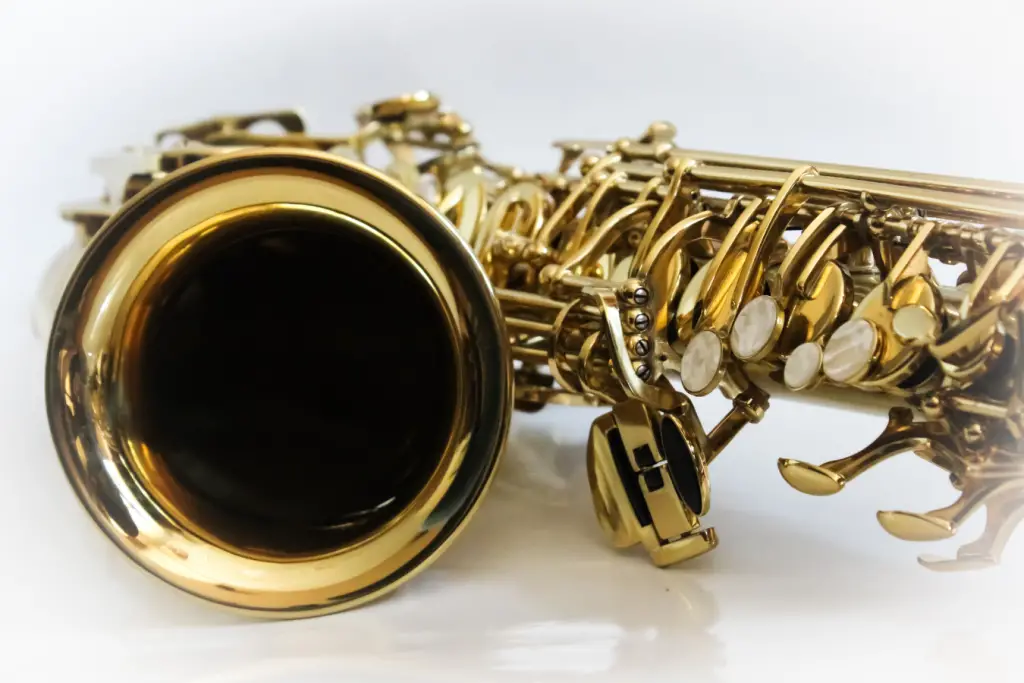
Saxophones are beautiful instruments, but their gleaming surfaces can lose their luster over time. Tarnish not only affects the appearance of a saxophone but can also impact its sound quality and longevity. To prevent tarnishing, saxophonists should store their instruments in a cool, dry place away from corrosive substances and regularly wipe them down with a soft, dry cloth after each use.
Proper maintenance plays a crucial role in keeping a saxophone’s finish intact. Regularly inspecting the instrument for signs of tarnish or discoloration can help catch and address issues early on. Additionally, using a pull-through swab to remove moisture from the saxophone’s interior after playing is essential for preventing oxidation and potential damage.
By implementing these preventive measures, saxophone owners can maintain their instrument’s appearance and performance for years to come. The following paragraphs will delve deeper into specific techniques and products that can help keep a saxophone looking and sounding its best.
Understanding Saxophone Tarnishing
Saxophone tarnishing is a common issue that affects the appearance and longevity of these brass instruments. It occurs due to chemical reactions between the metal surface and environmental factors.
Causes of Tarnishing
Moisture, dirt, and acidic substances are primary culprits in saxophone tarnishing. Saliva, sweat, and oils from hands can accelerate the process.
Humidity in the air also plays a significant role. When saxophones are exposed to damp environments, the metal oxidizes more rapidly.
Improper storage can exacerbate tarnishing. Leaving the instrument out of its case or storing it in humid areas increases exposure to tarnishing agents.
Certain cleaning products may inadvertently contribute to tarnishing if they contain harsh chemicals or abrasives.
Tarnish vs. Patina
Tarnish and patina are often confused, but they are distinct phenomena. Tarnish is a layer of corrosion that forms on metal surfaces, often appearing as a dull, dark discoloration.
Patina, conversely, is a stable surface layer that can protect the metal underneath. On brass instruments, patina often manifests as a desirable aged look.
Some musicians prefer the patina on vintage saxophones, viewing it as a sign of character and history. However, excessive tarnishing can affect the instrument’s sound quality and playability.
Anti-tarnishing strips can be used in saxophone cases to slow down the tarnishing process, especially for silver-plated instruments.
Regular Maintenance
Consistent care is crucial for keeping a saxophone in top condition and preventing tarnish. Regular maintenance routines protect the instrument’s appearance and functionality.
Cleaning After Use
Drying the saxophone thoroughly after each playing session is essential. Use a soft, lint-free cloth to wipe down the exterior, removing fingerprints and moisture.
Pay special attention to the keys and crevices where moisture can accumulate. A swab should be passed through the bore to absorb internal moisture.
For the mouthpiece, use warm water and mild soap, rinsing thoroughly and drying completely. This prevents buildup of saliva and bacteria that can contribute to tarnishing.
Proper Handling Techniques
Always handle the saxophone with clean, dry hands to minimize transfer of oils and acids from skin. When assembling or disassembling, avoid holding the instrument by its keys to prevent bending or misalignment.
Use cork grease sparingly on connections to ensure smooth assembly without excess residue. Store the saxophone in its case when not in use, protecting it from dust and environmental factors.
Consider using a humidifier in the case if you live in a dry climate, as extreme dryness can affect the pads and increase tarnish risk.
Polishing Techniques
Regular polishing helps maintain the saxophone’s shine and protective lacquer. Use a specialized brass lacquer polishing cloth for best results.
Apply a small amount of saxophone-specific polish or wax, working in gentle circular motions. Be careful around keys and mechanisms to avoid dislodging springs or pads.
For stubborn tarnish, a mixture of lemon juice and baking soda can be effective. Apply carefully with a soft cloth, then rinse and dry thoroughly.
Avoid harsh chemicals or abrasive materials that could damage the finish. Polish the saxophone at least monthly, or more frequently if played often or exposed to humid conditions.
Protective Measures
Implementing proper storage techniques and using anti-tarnish products are essential steps to prevent saxophone tarnishing. These measures create a protective barrier against environmental factors that can damage the instrument’s finish.
Proper Storage
Storing a saxophone correctly is crucial for preventing tarnish. Invest in a sturdy, well-padded case to protect the instrument from accidental damage and exposure to air. The case should fit snugly around the saxophone to minimize movement.
Keep the case in a cool, dry place away from direct sunlight and extreme temperatures. Humidity control is vital. Use silica gel packets or a hygrometer to maintain optimal humidity levels inside the case.
Before storing, always wipe down the saxophone with a soft, lint-free cloth to remove moisture and oils from handling. This simple step can significantly reduce the risk of tarnishing.
For added protection, consider using a saxophone bag inside the case. This provides an extra layer of defense against dust and moisture.
Use of Anti-Tarnish Products
Anti-tarnish products can significantly extend the life of a saxophone’s finish. 3M anti-tarnishing strips are effective for slowing down the tarnishing process. Place these strips in the case, replacing them periodically as directed.
Microfiber polishing cloths designed for brass instruments can help maintain the saxophone’s shine. Use them gently after each playing session to remove fingerprints and residue.
For lacquered saxophones, a specialized lacquer polish can protect the finish. Apply it sparingly and follow the manufacturer’s instructions carefully.
Avoid using harsh chemicals or abrasive materials, as these can damage the saxophone’s finish. Stick to products specifically designed for musical instruments.
Regular application of these anti-tarnish measures can keep a saxophone looking new for years, preserving its value and appearance.
Long-Term Preservation Strategies
Proper storage is crucial for preventing saxophone tarnish. Keep the instrument in a cool, dry place with good air circulation. Avoid basements, attics, and garages, which often have fluctuating temperatures and humidity.
Using a high-quality case lined with soft, non-abrasive material helps protect the saxophone’s finish. Place silica gel packets inside the case to absorb excess moisture.
Regular cleaning is essential. After each use, wipe down the saxophone with a clean, lint-free cloth to remove oils and moisture. Pay special attention to areas where hands make contact with the instrument.
For deep cleaning, use products specifically designed for brass instruments. Avoid harsh chemicals that can damage the finish or corrode the metal.
Consider using a saxophone stand when the instrument is not in its case. This allows air to circulate and prevents moisture buildup.
Periodic professional maintenance is recommended. A technician can identify potential issues early and apply protective treatments to vulnerable areas.
By implementing these strategies, saxophone owners can significantly extend the life and appearance of their instruments, ensuring they remain tarnish-free for years to come.