
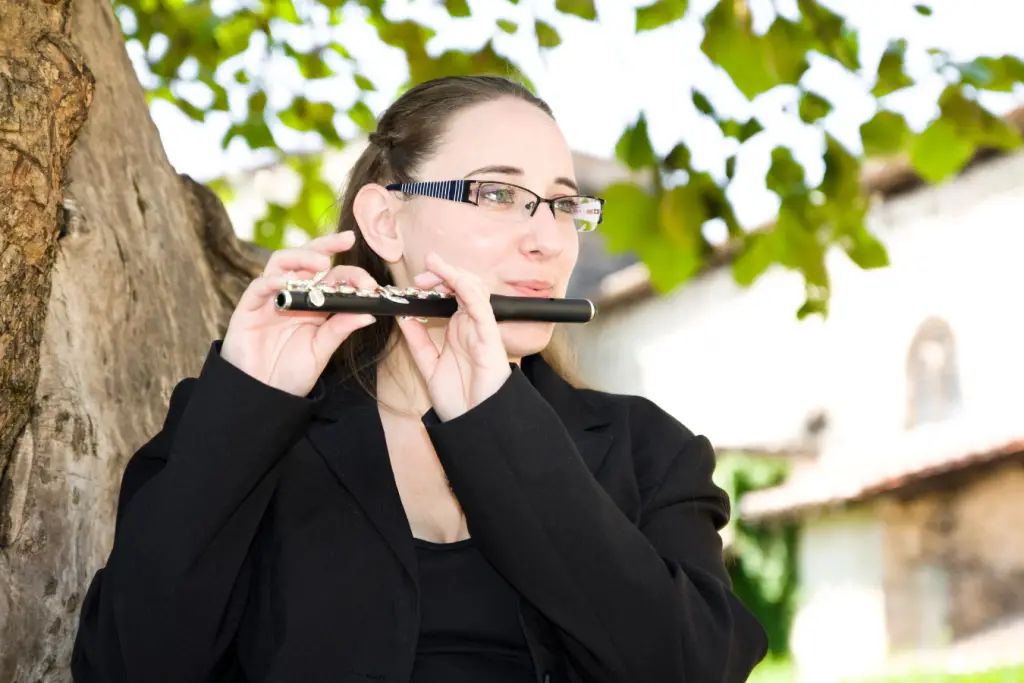
Piccolo players cherish their instruments, but the delicate nature of wooden piccolos makes them susceptible to cracking. These cracks can significantly impact the instrument’s sound quality and playability, making prevention crucial.
To prevent a piccolo from cracking, players should gradually acclimate the instrument to temperature and humidity changes, limit initial playing sessions, and properly warm up the piccolo before use. Warming up the piccolo with hands rather than blowing into it can help prevent rapid temperature changes that may lead to cracks.
Proper storage and maintenance also play vital roles in piccolo care. Ensuring the instrument fits snugly in its case protects it from physical damage and environmental factors. Regular cleaning and drying after use help maintain the wood’s integrity, reducing the risk of cracks developing over time.
Understanding Piccolo Materials
Piccolo materials significantly impact instrument quality, durability, and sound. The choice between wood and synthetic options affects playability, maintenance requirements, and resistance to environmental factors.
Wood Types and Properties
Wooden piccolos are typically crafted from grenadilla or kingwood. Grenadilla wood is prized for its density and rich tone. It produces a warm, complex sound but requires careful maintenance.
Kingwood offers similar tonal qualities to grenadilla but is slightly less dense. Both woods are susceptible to cracking from rapid temperature and humidity changes.
Wooden piccolos improve with age when properly cared for. They require a breaking-in period to acclimate to playing conditions. New wood piccolos should be played for limited durations, starting with 20-minute sessions twice daily for the first two months.
Synthetic Materials Advantages
Synthetic piccolos, often made from resin or plastic composites, offer distinct advantages. They are highly resistant to cracking and require less maintenance than wooden instruments.
These materials are less affected by temperature and humidity fluctuations, making them ideal for outdoor performances or variable playing conditions. Synthetic piccolos produce a bright, clear tone that projects well.
They do not require a breaking-in period and are ready to play immediately. Synthetic materials are also more affordable, making them popular choices for students or as backup instruments for professionals.
Proper Handling and Maintenance
Proper handling and regular maintenance are crucial for preventing piccolo cracks. By following specific cleaning techniques and handling best practices, players can significantly reduce the risk of damage to their instrument.
Cleaning Techniques
To clean a piccolo effectively, use a cleaning rod wrapped in cloth for the body and head joint. Insert the rod gently and twist to remove moisture. For the pads, use cleaning paper between the pad and tone hole, pressing lightly.
Clean the instrument after each use to prevent moisture buildup. Pay special attention to the head joint, as it’s most susceptible to cracking.
Use a soft, lint-free cloth to wipe down the exterior. Avoid harsh chemicals or abrasive materials that could damage the wood or finish.
For wooden piccolos, occasional oiling may be necessary. Consult with a professional technician for guidance on proper oiling techniques and frequency.
Handling Best Practices
Handle the piccolo with clean, dry hands to prevent oils and moisture from transferring to the wood. Assemble and disassemble the instrument carefully, avoiding excessive force.
Warm up the head joint with your hands before playing, especially in cold environments. This helps prevent sudden temperature changes that can lead to cracking.
Store the piccolo in its case when not in use. Ensure the case fits snugly to prevent the instrument from moving around during transport.
Avoid exposing the piccolo to extreme temperature or humidity changes. Use a lined case cover or gig bag for additional insulation when moving between different environments.
When breaking in a new wooden piccolo, gradually increase playing time. Start with 15 minutes per day and add 5 minutes each week to allow the wood to acclimate to moisture and temperature changes.
Environmental Considerations
Piccolo care requires close attention to environmental factors. Proper humidity and temperature control, along with seasonal adjustments, are crucial for preventing cracks in your instrument.
Humidity and Temperature Control
Wood piccolos are sensitive to changes in humidity and temperature. Ideal conditions include a relative humidity between 40-60% and temperatures around 68-72°F (20-22°C). Sudden shifts can cause the wood to expand or contract, leading to cracks.
Use a hygrometer to monitor humidity levels in your practice space. If needed, employ a humidifier or dehumidifier to maintain optimal conditions. When not in use, store your piccolo in its case with a small humidifier pack.
Avoid exposing your piccolo to direct sunlight, heaters, or air conditioning vents. These can cause rapid temperature changes and dry out the wood. Keep your wood piccolo away from extreme temperatures to help prevent cracking.
Seasonal Care Tips
As seasons change, adjust your piccolo care routine. In winter, indoor heating can create dry conditions. Use a room humidifier or place a damp sponge in the piccolo case to add moisture.
During summer, high humidity may cause keys to stick. Regularly check and clean key mechanisms. When traveling between different climates, allow your piccolo to acclimate gradually before playing.
In spring and fall, be mindful of temperature fluctuations. Avoid leaving your instrument in a car, where temperatures can change rapidly. Sudden shifts in temperature and humidity can cause subtle changes in wooden instruments, potentially leading to cracks.
Always warm up your piccolo slowly before playing, especially in cold weather. This allows the wood to adjust to your body heat and reduces stress on the instrument.
Preventive Measures and Storage
Proper storage and preventive measures are crucial for protecting your piccolo from cracking. Using the right case and following appropriate long-term storage practices can significantly reduce the risk of damage.
Protective Cases
A high-quality protective case is essential for safeguarding your piccolo. Insulated cases help shield the instrument from temperature fluctuations, which can cause cracking.
Look for cases with a hard exterior and soft, plush interior lining. This combination provides both impact protection and cushioning. Some cases offer additional features like humidity control systems to maintain optimal moisture levels.
For added protection, consider using a larger bag or backpack to carry the piccolo case. This extra layer helps buffer against environmental changes and physical impacts during transport.
Long-Term Storage Solutions
When storing a piccolo for extended periods, climate control is paramount. Keep the instrument away from extreme temperatures and rapid temperature changes.
Ideal storage conditions include:
- Temperature: 60-70°F (15-21°C)
- Relative humidity: 40-60%
Using a hygrometer in the storage area helps monitor humidity levels. For wooden piccolos, a gradual “blow-in” period is recommended when returning to regular use. This involves playing for short periods and gradually increasing playing time to acclimate the wood.
Regularly cleaning and oiling wooden piccolos helps prevent cracking. Remove fingerprints from the mechanism using a slightly damp, 100% cotton cloth. Avoid using silver polish or chemically treated cloths on the instrument.