
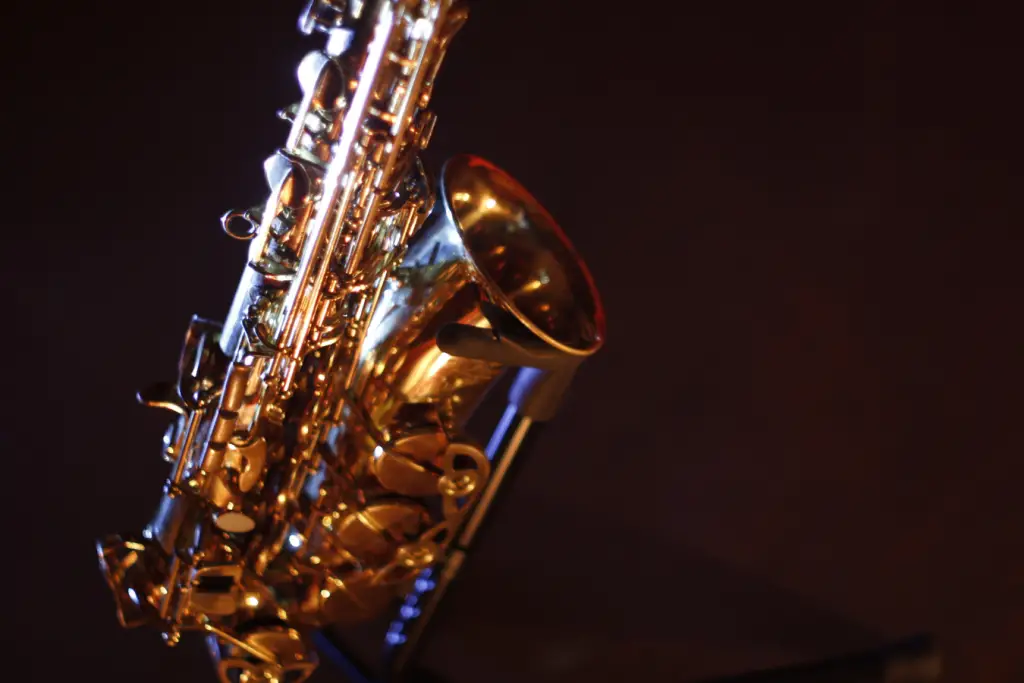
Playing fast passages on the saxophone requires a combination of technique, practice, and physical preparation. Many saxophonists struggle with speed and clarity when attempting rapid sequences of notes. The key to mastering fast passages lies in developing efficient finger movements and maintaining proper hand positioning.
Saxophonists can improve their speed by focusing on keeping their fingers close to the keys while playing. This minimizes unnecessary motion and allows for quicker transitions between notes. Regular practice of scales and arpeggios helps build muscle memory and finger dexterity, essential for executing fast runs smoothly.
Another crucial aspect is breath control. Proper breathing techniques ensure a steady air stream, supporting the rapid articulation needed for fast passages. Saxophonists can enhance their speed and clarity by incorporating specific exercises into their practice routine, gradually increasing tempo as they improve. With consistent effort and attention to technique, players can develop the skills necessary to tackle even the most challenging fast passages on the saxophone.
Fundamentals of Saxophone Mechanics
Mastering fast passages on the saxophone requires a solid foundation in proper technique. Two critical components are breath control and embouchure formation, which work together to produce clear, rapid notes.
Breath Control and Support
Effective breath control is essential for playing fast passages on the saxophone. Saxophonists need to develop strong diaphragmatic breathing techniques. This involves expanding the lower abdomen when inhaling and contracting it when exhaling.
Proper breath support allows for consistent airflow, crucial for maintaining tone quality during rapid note changes. Players should practice long tones to improve breath control. This exercise helps build stamina and strengthens the muscles used in breathing.
To execute fast passages, saxophonists must learn to take quick, efficient breaths between phrases. This skill ensures a continuous flow of air, preventing gaps in the music. Regular practice of scales and arpeggios can help develop this ability.
Embouchure and Tongue Positioning
The embouchure, or the way a player forms their mouth around the mouthpiece, is crucial for playing fast passages cleanly. A proper embouchure creates a seal around the mouthpiece, allowing precise control over the reed’s vibrations.
For fast playing, the embouchure should be firm yet flexible. The lower lip should cushion the reed without applying too much pressure. This balance enables quick articulation and smooth transitions between notes.
Tongue positioning plays a vital role in articulation speed. The tongue should lightly touch the tip of the reed for staccato notes. For legato passages, players use a technique called “slurring,” where the tongue remains down while fingers change positions rapidly.
Practicing scales with different articulations can improve tongue control and coordination. Start slowly and gradually increase speed as technique improves. This method helps develop the muscle memory needed for fast, precise articulation.
Mastering Finger Dexterity
Developing finger dexterity is crucial for playing fast passages on the saxophone. It requires consistent practice and targeted exercises to build muscle memory and coordination.
Saxophone Finger Exercises
Keeping fingers close to the keys is essential for faster playing. Start with simple exercises using three adjacent notes, like G, A, and B. Play these slowly, focusing on maintaining contact between fingers and keys.
Gradually increase speed while ensuring even timing between notes. Practice lifting only the necessary finger while others remain in position.
Dexterity exercises using four-note patterns can improve technique. Begin with semitone intervals, then progress to larger intervals like minor thirds. Aim to perform these exercises without sheet music to enhance brain-finger coordination.
Effective Use of Scales and Arpeggios
Scales and arpeggios are fundamental for building finger speed and accuracy. Practice major and minor scales in all keys, starting slowly and gradually increasing tempo.
Focus on smooth transitions between notes, especially across register breaks. Use a metronome to maintain steady timing and gradually increase speed.
Incorporate various articulation patterns (e.g., slurred, staccato) into scale practice. This helps develop flexibility in finger movements across different playing styles.
Triadic exercises can improve dexterity. Practice major and minor triads in all keys, focusing on clean execution and even spacing between notes.
Advanced Techniques for Speed
Mastering rapid saxophone passages requires honing specific skills and developing precise muscle control. These advanced methods focus on refining articulation and building robust muscle memory to enable fluid, high-speed playing.
Articulation and Accents
Playing fast notes on the saxophone demands clean, precise articulation. Players should practice tonguing exercises to improve speed and clarity. Start with simple patterns, gradually increasing tempo.
Experiment with different articulation styles like staccato and legato. Incorporate accents to add rhythmic interest and definition to fast runs.
Use a metronome to maintain consistent timing. Begin slowly, then incrementally raise the tempo as accuracy improves.
Alternate between slurred and tongued passages to develop versatility. This helps in adapting to various musical styles and passages.
Developing Muscle Memory
Building muscle memory is crucial for executing rapid saxophone passages smoothly. Regular practice of scales and arpeggios helps ingrain finger movements.
Start with slow, deliberate practice to ensure correct finger placement. Gradually increase speed while maintaining accuracy.
Focus on keeping fingers close to the keys to minimize movement and improve efficiency. This technique is essential for faster playing.
Incorporate challenging technical exercises into daily practice routines. Repetition of complex fingering patterns strengthens muscle memory.
Use visualization techniques to mentally rehearse fast passages. This can enhance physical performance when playing.