
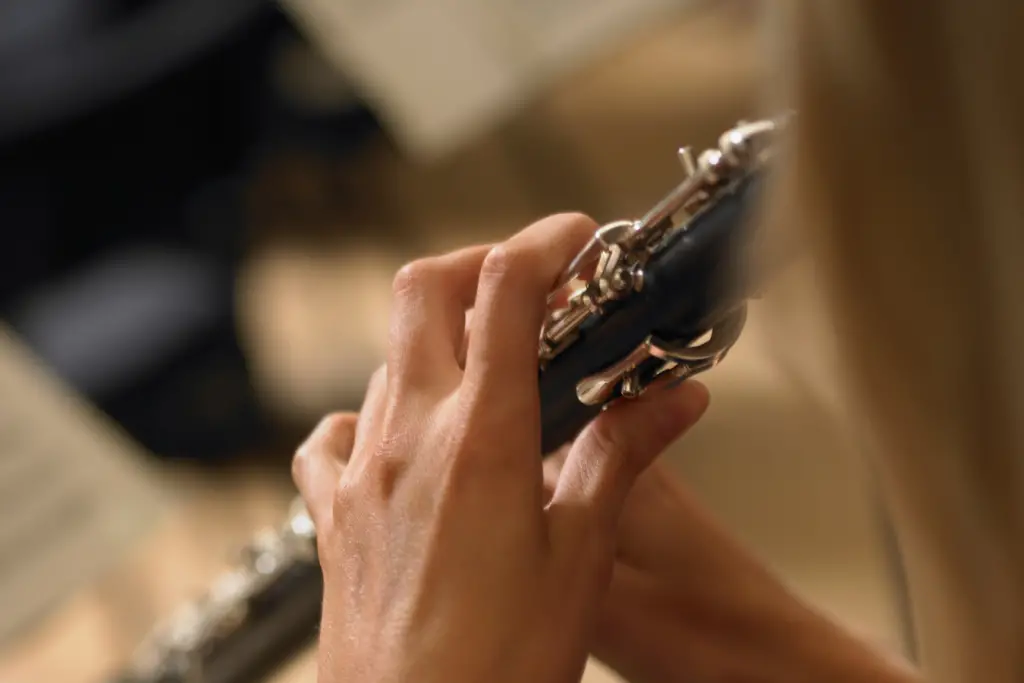
Selecting the right music stand for your oboe practice and performances is crucial for comfort and efficiency. A proper stand ensures your sheet music remains stable and easily readable, allowing you to focus on your playing technique.
The ideal oboe music stand should be sturdy, adjustable in height, and have a large enough desk to hold multiple pages of music securely. Many oboists prefer stands with tilting desks for optimal viewing angles. Portability is another factor to consider, especially for musicians who frequently travel or perform in different venues.
Several reputable brands offer high-quality oboe stands, including Hercules, K&M, and Manhasset. These manufacturers provide options ranging from lightweight portable stands to more robust models suitable for home practice or professional use. When choosing a stand, it’s essential to consider factors such as durability, weight capacity, and ease of setup to ensure it meets your specific needs as an oboist.
Understanding Oboe Music Stands
Oboe music stands serve a crucial role in supporting sheet music during practice and performance. They come in various styles and materials, each with unique features suited for different playing environments.
The most common types of music stands include:
- Folding stands
- Desk stands
- Orchestra stands
- Wooden stands
Folding stands offer portability and are ideal for musicians who travel frequently. They’re typically made of lightweight metals like aluminum and can be easily collapsed for transport.
Desk stands provide a more stable surface and are better suited for home practice or studio use. These stands often have larger music trays to accommodate multiple sheets or books.
Orchestra stands are designed for professional settings. They’re usually made of heavy-duty materials and offer precise height adjustments to ensure proper posture during long performances.
When selecting a music stand for oboe playing, consider factors such as:
- Height adjustability
- Music tray size
- Stability
- Portability
- Durability
A good oboe music stand should be adjustable to accommodate different playing positions. This helps maintain proper posture and reduces strain during extended practice sessions.
The music tray should be large enough to hold standard sheet music comfortably. Some stands feature additional accessories like pencil holders or page clips, which can be helpful during rehearsals.
Stability is paramount, especially when playing in outdoor settings or on uneven surfaces. Look for stands with sturdy bases and secure locking mechanisms to prevent unwanted movement.
Factors to Consider When Choosing an Oboe Music Stand
Selecting the right music stand for oboe playing involves evaluating several key aspects. These factors ensure optimal performance, comfort, and convenience during practice sessions and performances.
Stability
A stable music stand is crucial for oboe players. It prevents unwanted movement of sheet music during performances or practice.
Look for stands with a wide, sturdy base. Tripod designs often provide excellent stability on various surfaces.
Some stands feature weighted bases or low centers of gravity. These attributes enhance stability, especially in outdoor settings or on uneven floors.
Consider stands with non-slip feet. Rubber or silicone tips help prevent sliding on smooth surfaces.
For added stability, some music stands offer additional support arms or braces. These features can be particularly beneficial when holding heavier music books or multiple sheets.
Portability
Portable music stands are essential for oboists who frequently travel or perform in different venues.
Folding designs are popular for their compact storage and easy transport. Look for stands that collapse into a small size without compromising stability when set up.
Consider the weight of the stand. Lightweight materials like aluminum are ideal for portability without sacrificing durability.
Some portable stands come with carrying cases or bags. These accessories protect the stand during transport and make it easier to carry.
Quick assembly and disassembly are important features. Stands with simple locking mechanisms or tool-free setup save time and effort.
Height and Angle Adjustability
Proper ergonomics are crucial for oboe players to maintain good posture and prevent strain.
Look for stands with a wide range of height adjustments. This feature allows players of different heights to find their optimal position.
Angle adjustability is equally important. It enables oboists to tilt the music to the most comfortable reading position.
Some stands offer separate adjustments for the desk (where the music sits) and the stem (vertical support). This dual adjustment provides greater flexibility.
Consider stands with smooth, easy-to-use adjustment mechanisms. Knobs or levers should be easily accessible and operate without excessive force.
Memory locks or preset positions can be helpful for quickly setting up the stand to your preferred height and angle.
Material and Durability
The material of a music stand affects its durability, weight, and appearance.
Metal stands, particularly those made of aluminum or steel, offer excellent durability. They withstand frequent use and transport well.
Plastic stands are lightweight and affordable. However, they may not be as stable or long-lasting as metal options.
Consider the finish of metal stands. Powder-coated or anodized finishes resist scratches and corrosion better than plain metal.
Look for stands with reinforced joints and connectors. These areas often experience the most stress during setup and use.
Some high-end stands feature carbon fiber components. This material offers exceptional strength-to-weight ratio but comes at a higher price point.
Weight Capacity
The weight capacity of a music stand is crucial for supporting sheet music, books, and accessories.
Standard music stands typically hold up to 5-8 pounds. This capacity is sufficient for most oboe repertoire and method books.
For players who use tablets or multiple heavy books, consider stands with higher weight capacities. Some professional-grade stands can support 10 pounds or more.
Check the desk size of the stand. A larger desk area provides more space for multiple sheets or oversized scores.
Some stands feature additional support arms or reinforced desks to distribute weight evenly. These features prevent sagging or tipping when fully loaded.
Consider stands with lips or ledges along the bottom of the desk. These prevent music from sliding off, especially when the stand is angled.
Types of Oboe Music Stands
Oboe players have several options when selecting a music stand. The right choice depends on factors like portability, stability, and specific features. Different materials and designs offer various benefits for different playing environments and personal preferences.
Collapsible Stands
Collapsible stands are popular among oboe players who need portability. These lightweight stands fold up for easy transport and storage. Many models fit inside oboe cases, making them ideal for musicians who travel frequently.
Key features of collapsible stands include:
- Adjustable height
- Foldable desk and legs
- Compact when collapsed
- Often made of aluminum or other light metals
Some collapsible stands offer additional features like built-in sheet music holders or detachable trays for pencils and reeds. While convenient, these stands may sacrifice some stability compared to solid models.
Solid-Back Stands
Solid-back stands provide maximum stability and support for sheet music. These stands are often preferred for home practice or permanent setups in rehearsal spaces.
Characteristics of solid-back stands:
- Heavy-duty construction
- Wide, non-tilting music desk
- Larger weight capacity for multiple books or scores
- Often made of steel or heavy-gauge aluminum
Many solid-back stands feature wheels for easy repositioning. Some models include extra shelves or trays for storing accessories. While less portable than collapsible options, these stands offer unmatched stability and durability.
LED-Equipped Stands
LED-equipped stands combine functionality with improved visibility. These modern stands feature built-in lighting systems to illuminate sheet music in low-light conditions.
Benefits of LED-equipped stands:
- Adjustable brightness levels
- Even illumination across the entire music desk
- Reduced eye strain during long practice sessions
- Often battery-powered for cordless use
Some LED stands offer additional features like USB charging ports or clip-on options for existing stands. While typically more expensive, these stands can be invaluable for performances in dimly lit venues.
Wooden Stands
Wooden stands offer a classic look and feel for oboe players who prefer traditional aesthetics. These stands are often handcrafted and can be quite beautiful.
Features of wooden stands:
- Solid construction from hardwoods like maple or oak
- Natural, warm appearance
- Often hand-finished for a smooth surface
- May include intricate designs or carvings
Wooden stands are typically heavier than their metal counterparts, providing excellent stability. Some models offer height adjustment, though this is less common than in metal stands. While not as portable as collapsible options, wooden stands can be a stunning addition to a home practice space or performance area.
Ergonomics and Comfort of Use
Selecting an ergonomic and comfortable music stand is crucial for oboe players to maintain proper posture and reduce fatigue during long practice sessions or performances. The right design can significantly impact a musician’s comfort and playing experience.
Desk Size
The desk size of a music stand plays a vital role in ergonomics and comfort. A wider desk allows for better visibility of multiple pages of sheet music, reducing the need for frequent page turns. For oboe players, a desk width of 18-20 inches is often ideal.
Height adjustability is another key factor. The stand should allow for easy adjustment to align with the player’s eye level, minimizing neck strain. Look for stands with a height range of 24-48 inches to accommodate various sitting and standing positions.
Consider the desk’s tilt angle as well. A stand that offers multiple tilt positions allows players to find the optimal viewing angle, reducing glare and improving readability.
Edge Design
The edge design of a music stand can significantly affect comfort and practicality. A smooth, rolled edge prevents sheet music from catching or tearing when turning pages. It also provides a more comfortable surface for resting hands during breaks.
Some stands feature a small lip or ridge along the bottom edge. This design helps keep sheet music in place, especially useful for outdoor performances where wind might be a factor.
Magnetic edges are becoming increasingly popular. These allow for easy attachment of additional lights or accessories without interfering with the sheet music.
Page Holders
Page holders are essential components for maintaining an uninterrupted performance. Spring-loaded page holders provide secure grip while allowing for quick and easy page turns. Look for holders that span the full width of the desk for maximum versatility.
Some advanced stands feature built-in page turners operated by foot pedals. These can be particularly useful for oboe players who need to keep both hands on their instrument during performances.
Consider the material of the page holders as well. Rubber-tipped holders offer a strong grip without damaging sheet music. Some stands include transparent page holders, allowing for better visibility of the entire page.
Accessories and Add-Ons
Choosing the right accessories can enhance your oboe playing experience and protect your instrument. Key add-ons include carrying cases, sheet music clips, and stand lights.
Carrying Cases
A quality carrying case is essential for protecting your oboe and transporting it safely. Hard cases offer the most protection, featuring a durable exterior and padded interior to cushion the instrument. Some cases include compartments for reed cases and other accessories.
Soft cases provide less protection but are lighter and more portable. They’re suitable for short trips or as a secondary case. When selecting a case, ensure it fits your oboe model snugly.
Look for cases with shoulder straps or backpack-style options for comfortable carrying. Water-resistant materials add an extra layer of protection against the elements.
Sheet Music Clips
Sheet music clips are invaluable for outdoor performances or windy conditions. They secure music to the stand, preventing pages from turning unexpectedly.
Various clip styles are available, including spring-loaded clamps and magnetic options. Spring clips are versatile and can hold multiple pages securely.
Magnetic clips offer a sleek look and are less likely to damage sheet music. Some clips come with built-in LED lights, serving a dual purpose as both a clip and a stand light.
Stand Lights
Stand lights are crucial for reading sheet music in dimly lit environments. LED lights are popular due to their brightness and energy efficiency.
Clip-on lights attach directly to the music stand and often feature flexible necks for adjustable positioning. Some models offer multiple brightness settings and color temperature options.
Rechargeable lights eliminate the need for frequent battery changes. USB-powered options are convenient for rehearsals near power sources.
When choosing a stand light, consider its battery life, brightness, and compatibility with your music stand. Lightweight models are preferable for portability.
Price and Budget Considerations
When selecting an oboe music stand, price and budget play crucial roles in the decision-making process. Music stands come in a wide range of prices, typically ranging from $20 to $200 or more.
Budget-friendly options often include lightweight, portable stands made of aluminum or plastic. These can be suitable for beginners or those who need a stand for occasional use.
Mid-range stands offer better stability and durability. They may feature adjustable heights, tilting desk surfaces, and sturdier materials like steel or high-quality aluminum.
Professional-grade stands sit at the higher end of the price spectrum. These often boast premium materials, enhanced stability, and additional features like built-in lights or extra storage compartments.
Key factors affecting price include:
- Material quality
- Stability and durability
- Portability
- Additional features
It’s important to consider how frequently the stand will be used and in what settings. A student practicing at home may not require the same level of investment as a professional musician performing regularly.
While it can be tempting to opt for the cheapest option, investing in a quality stand can provide better long-term value. A well-made stand offers improved stability, reducing the risk of sheet music falling during performances or practice sessions.
Shopping Tips for Oboe Music Stands
When purchasing a music stand for your oboe practice, consider factors like durability, stability, and portability. Look for stands that can securely hold sheet music and method books.
Read Reviews
Reading reviews from other oboe players can provide valuable insights into the quality and performance of different music stands. Look for reviews that mention:
• Stability when holding heavy books • Ease of height adjustment • Durability of materials
Pay attention to comments about the stand’s ability to support full oboe method books without tipping over. Reviews mentioning smooth height adjustments are important, as you may need to frequently change positions.
Check for feedback on the stand’s portability if you plan to transport it often. Reviews highlighting lightweight yet sturdy designs can be particularly helpful for students or performers who travel frequently.
Check Return Policies
Before purchasing a music stand, carefully review the seller’s return policy. Look for policies that offer:
• A reasonable return window (14-30 days is common) • Full refunds for unopened items • Partial refunds or exchanges for opened products
Some retailers may charge restocking fees, so be aware of any potential costs associated with returns. Check if the policy covers defects or damages that may not be immediately apparent upon receiving the stand.
For online purchases, confirm whether return shipping is covered by the seller. This can be especially important for heavier, metal music stands that may be costly to ship back.
Consider Brand Reputation
Choosing a music stand from a reputable brand can ensure better quality and customer support. Research brands known for producing reliable music accessories. Look for companies that:
• Specialize in music equipment • Have been in business for several years • Offer warranties on their products
Well-established music retailers often carry trusted brands and can provide guidance on selecting the right stand. Consider brands recommended by music educators or professional oboe players.
Check if the brand offers replacement parts for their stands. This can extend the life of your purchase if small components wear out over time. Brands with dedicated customer service can also be helpful if you encounter any issues with your music stand.
Maintenance and Care for Oboe Music Stands
Proper maintenance of oboe music stands ensures their longevity and functionality. Regular cleaning is essential to prevent dust accumulation and maintain a professional appearance.
Use a soft, dry cloth to wipe down the stand’s surfaces weekly. For stubborn marks, a slightly damp cloth can be used, followed by immediate drying to prevent water damage.
Inspect the stand’s joints and moving parts monthly. Apply a small amount of lubricant to hinges and adjustment mechanisms to keep them operating smoothly.
Check for loose screws or bolts periodically and tighten them as needed. This helps maintain the stand’s stability and prevents wobbling during use.
Store the music stand in a dry environment to prevent rust and corrosion. If the stand is collapsible, ensure it is fully dry before folding to avoid moisture trapping.
For wooden stands, apply a wood polish occasionally to protect the finish and enhance its appearance. Metal stands may benefit from a light coat of furniture wax to resist fingerprints.
When transporting the stand, use a protective carrying case to prevent scratches and dents. This is especially important for oboe players who frequently travel for performances.
Avoid placing heavy objects on the music desk to prevent warping or damage. Use the stand only for its intended purpose of holding sheet music and light accessories.