
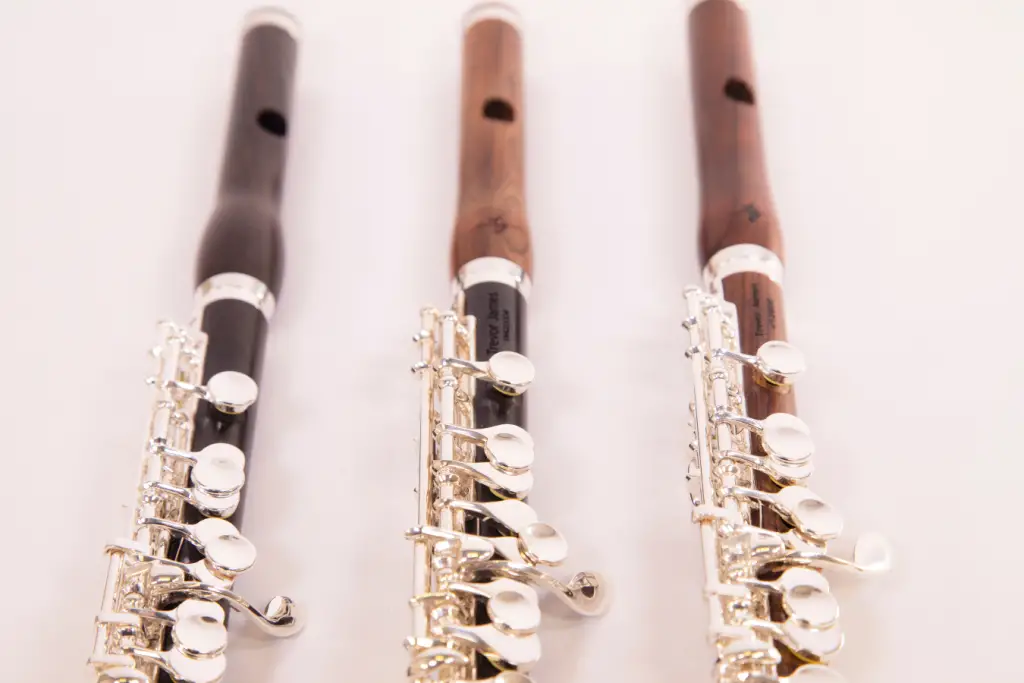
Wooden piccolos are delicate instruments that require special care to maintain their quality and longevity. These small but powerful flutes are prized for their rich, warm tone, but their wooden construction makes them susceptible to damage from environmental factors.
Proper maintenance of a wooden piccolo involves regular cleaning, oiling, and protecting it from sudden temperature and humidity changes. Yearly professional servicing is also essential to keep the instrument in top playing condition. This includes a thorough cleaning, oiling, and adjustment of all components.
Musicians can take several steps to care for their wooden piccolos at home. Warming up the instrument before playing and using an insulated case cover can help protect it from temperature fluctuations. Regular cleaning with a piccolo swab and careful handling can prevent moisture buildup and physical damage, ensuring the piccolo remains in excellent condition for years to come.
Understanding Your Wooden Piccolo
Wooden piccolos require specialized care due to their unique material properties. Proper understanding of the instrument’s components and characteristics is essential for maintaining its quality and longevity.
Material Characteristics
Wooden piccolos are typically crafted from dense hardwoods like grenadilla or cocobolo. These materials are prized for their rich tonal qualities and durability. However, wood is sensitive to environmental changes.
Temperature and humidity fluctuations can cause the wood to expand or contract. This may lead to cracks or warping if not properly managed. Warming up the piccolo before playing helps prevent damage from sudden temperature changes.
Wood requires regular oiling to maintain its moisture content and prevent cracking. New wooden piccolos need a “breaking-in” period to acclimate to playing conditions. During this time, limit playing sessions to avoid overexposure to moisture.
Parts of the Piccolo
A wooden piccolo consists of three main parts: the headjoint, body, and mechanism. The headjoint contains the embouchure hole where the player blows. It significantly affects the instrument’s tone and response.
The body houses the tone holes and supports the key mechanism. Keys are typically made of nickel silver or silver-plated brass. They require regular cleaning and occasional adjustment to maintain proper function.
The piccolo’s cork joints connect the headjoint to the body. These need periodic replacement and greasing to ensure a proper seal. Some models feature a tenon cap to protect the headjoint cork when not in use.
Daily Care Techniques
Proper handling, regular cleaning, and moisture control are essential for maintaining a wooden piccolo. These daily care practices help preserve the instrument’s quality and extend its lifespan.
Proper Handling
Always handle a wooden piccolo with clean, dry hands. Warm up the instrument before playing by holding it close to your body for a few minutes. This helps reduce the risk of cracking due to sudden temperature changes.
When assembling the piccolo, grasp the body above the mechanism and the headjoint below the embouchure hole. Apply cork grease to ensure smooth assembly and an airtight seal.
Avoid exposing the piccolo to extreme temperatures or direct sunlight. Store it in its case when not in use, away from heat sources and air conditioning vents.
Cleaning After Use
After playing, disassemble the piccolo and wipe the exterior with a soft, lint-free cloth. Pay special attention to the keys and joints, being careful not to apply pressure to the mechanism.
Use a cleaning rod with a soft cloth to remove moisture from the interior. Gently swab the body and headjoint, taking care not to damage the cork or mechanism.
For more thorough cleaning, use a specialized polishing cloth designed for wooden instruments. This helps maintain the piccolo’s finish and prevents buildup of dirt and oils.
Moisture Control
Controlling moisture is crucial for preventing cracking and warping in wooden piccolos. After playing, allow the instrument to air dry completely before storing it in its case.
Use a wooden piccolo swab to remove excess moisture from the bore. Avoid using cloth swabs, as they may leave fibers behind.
Consider using a humidifier in dry climates to maintain optimal humidity levels for the instrument. Place a small humidifier in the case or use a room humidifier where the piccolo is stored.
In humid environments, use silica gel packets in the case to absorb excess moisture. Replace these packets regularly to ensure continued effectiveness.
Regular Maintenance
Proper maintenance is crucial for keeping a wooden piccolo in optimal condition. Regular care helps preserve the instrument’s sound quality and extends its lifespan.
Oiling the Wood
Wooden piccolos require oiling to prevent cracking and maintain their integrity. Apply a thin layer of bore oil to the interior of the instrument every 3-6 months, depending on climate and usage. Use a cleaning rod with a soft cloth to distribute the oil evenly.
Before oiling, ensure the piccolo is clean and dry. Allow the oil to penetrate for several hours before reassembling the instrument. Avoid over-oiling, as excess oil can affect the sound and attract dirt.
In dry environments, more frequent oiling may be necessary. Players should monitor their instrument for signs of dryness, such as a dull appearance or slight shrinkage.
Pad and Key Maintenance
Regular inspection and cleaning of pads and keys are essential for optimal performance. Use a soft brush to remove dust and debris from the mechanism after each playing session.
Apply powder paper between pads and tone holes to absorb moisture and prevent sticking. Gently press the keys and pull the paper away to clean the pads effectively.
Check for loose screws or springs and tighten or replace them as needed. A professional technician should perform a thorough cleaning and adjustment annually.
Avoid touching the pads with fingers, as oils from the skin can damage them. When not in use, store the piccolo in its case to protect the pads and mechanism from dust and humidity.
Storage and Transportation
Proper storage and transportation are crucial for maintaining a wooden piccolo’s condition and longevity. Protecting the instrument from environmental factors and physical damage ensures its optimal performance and prevents costly repairs.
Choosing the Right Case
A high-quality case is essential for protecting a wooden piccolo. Look for cases with sturdy exteriors and soft, padded interiors. The piccolo should fit snugly inside to prevent movement during transport.
Some cases feature humidity control systems, which help maintain stable moisture levels. This is particularly important for wooden instruments.
Consider cases with additional storage compartments for accessories like cleaning cloths and cork grease. These items should not be stored inside the instrument itself.
A case cover can provide extra protection against impacts and weather. It may also offer additional pockets for sheet music or other essentials.
Environmental Considerations
Wooden piccolos are sensitive to temperature and humidity changes. When storing or transporting the instrument, avoid extreme conditions.
Keep the piccolo away from direct sunlight, heat sources, and air conditioning vents. These can cause the wood to dry out and crack.
Maintain a consistent humidity level between 40-60%. Use humidity control packs or a room humidifier if necessary.
When traveling, never leave the piccolo in a car. Temperature fluctuations can damage the wood and affect tuning.
If moving between significantly different climates, allow the piccolo to acclimate gradually. Keep it in its case for several hours before playing.