
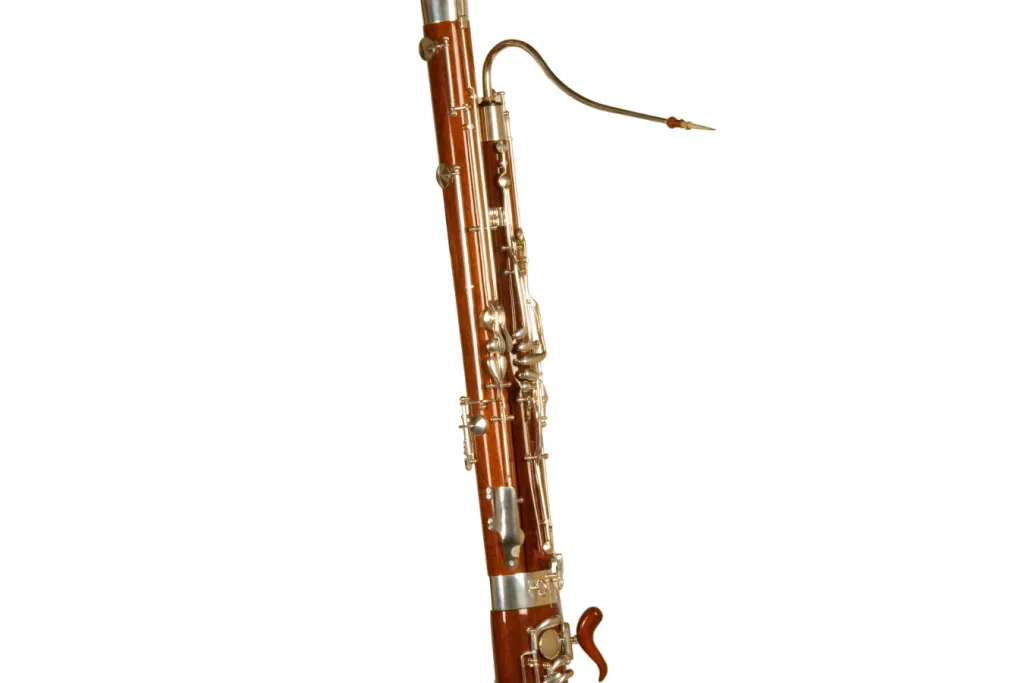
Starting your journey with the bassoon can be both exciting and overwhelming. As a beginner, selecting the right pieces is essential for building confidence and developing technique. This article provides a curated guide to easy bassoon music that balances enjoyment with skill-building, along with tips on how to approach your practice.
Why Start with Easy Bassoon Pieces?
Learning the bassoon can be challenging due to its size, reed requirements, and unique fingering system. Beginner-friendly music helps:
- Build foundational skills like finger coordination, embouchure control, and breath support.
- Prevent frustration by avoiding overly complex pieces.
- Develop musicality with simple yet expressive melodies.
Characteristics of Beginner Bassoon Music
When choosing music as a beginner, look for pieces with these qualities:
- Simple Key Signatures: Start with pieces in C major, G major, or F major to minimize accidentals.
- Slow to Moderate Tempo: Avoid fast passages that demand advanced finger agility.
- Limited Range: Stick to music within the comfortable beginner range (low Bb to middle C).
- Repetitive Patterns: Pieces with repeated rhythms or phrases are easier to learn and memorize.
Recommended Easy Bassoon Pieces
Here are some beginner-friendly pieces and books to explore:
Classical Selections
- “Ode to Joy” by Beethoven
- A simple, recognizable melody from Symphony No. 9.
- Great for practicing long tones and phrasing.
- “Twinkle, Twinkle, Little Star” (Traditional)
- Ideal for learning basic fingerings and dynamics.
- Can be embellished as skills improve.
- “The Swan” by Saint-Saëns (from Carnival of the Animals)
- Adapted for bassoon, this lyrical piece is excellent for tone development.
Folk and Traditional Tunes
- “Scarborough Fair” (Traditional)
- A haunting melody that focuses on expressive playing.
- Easy rhythm and minimal accidentals.
- “Simple Gifts” (Shaker Hymn)
- A straightforward tune with a flowing, lyrical quality.
- Perfect for practicing smooth transitions between notes.
Bassoon Method Books with Repertoire
- “Rubank Elementary Method for Bassoon”
- Offers graded exercises and short pieces for beginners.
- Covers fundamental skills, including scales and rhythms.
- “First Book of Bassoon Solos” by W.F. Ambach and C. Binge
- Includes a variety of simple solos in different styles.
- Pieces are easy to follow and fun to play.
- “Essential Elements for Band – Bassoon”
- A step-by-step method book with simple songs and exercises.
- Includes play-along tracks for added enjoyment.
Tips for Practicing Beginner Pieces
To make the most of your practice sessions, keep these tips in mind:
1. Start Slow
- Begin at a tempo where you can play the notes accurately and evenly.
- Gradually increase the speed as you become more comfortable.
2. Focus on Fingering and Embouchure
- Practice fingerings slowly to ensure smooth transitions between notes.
- Maintain a relaxed but firm embouchure to produce a steady tone.
3. Break It Down
- Divide the piece into smaller sections and practice each part separately.
- Focus on challenging passages before playing the entire piece.
4. Use a Tuner and Metronome
- A tuner helps ensure accurate intonation, especially on the bassoon’s challenging low notes.
- A metronome keeps your rhythm steady, even in tricky passages.
5. Experiment with Dynamics and Articulation
- Once you’ve mastered the notes, add dynamic contrasts (soft and loud) to bring the music to life.
- Practice different articulations, such as legato (smooth) and staccato (short and detached).
Exploring Duets and Ensemble Pieces
Playing with others is an excellent way to improve as a beginner. Duets and ensemble pieces encourage listening and collaboration while making practice more enjoyable.
Easy Bassoon Duets
- “Duets for Fun: Bassoon” by Various Composers
- A collection of simple duets for bassoon players at the beginner level.
- Focuses on harmonizing and blending sounds.
- “First Duet Album for Bassoon” by Graham Sheen
- Includes duets in various styles, designed for beginners and early intermediate players.
Bassoon in Beginner Ensembles
- Woodwind Quintets: Simple arrangements often include parts suitable for beginners.
- Concert Band Music: Many beginner-level band arrangements feature straightforward bassoon parts.
Overcoming Common Challenges
Beginner bassoonists often face specific hurdles. Here’s how to tackle them:
1. Struggling with Low Notes
- Use plenty of air support to produce a rich tone.
- Practice long tones on low notes to build control and stability.
2. Difficulty Reading Bass Clef
- Spend extra time reviewing the bass clef and associating notes with their fingerings.
- Use flashcards or apps to reinforce note recognition.
3. Managing the Instrument’s Size
- Sit on a sturdy chair with good posture to support the bassoon.
- Use a neck strap or seat strap for added stability.
Transitioning to Intermediate Repertoire
Once you’ve mastered beginner pieces, you can explore slightly more advanced works. Look for music that:
- Introduces accidentals and key changes.
- Expands the range beyond middle C.
- Includes faster rhythms and more dynamic variety.
Examples of early intermediate pieces:
- “Sonatina” by Galliard
- “Minuet in G” by Bach
- “Arioso” by Handel
Benefits of Starting with Easy Pieces
Learning easy bassoon pieces is more than just a stepping stone—it’s an opportunity to:
- Develop technique: Build a solid foundation for more advanced music.
- Gain confidence: Successfully playing beginner pieces motivates you to tackle new challenges.
- Enjoy the process: Focus on making music rather than struggling with overly complex material.
Conclusion
Starting with easy bassoon pieces ensures a smooth and enjoyable learning experience. By choosing music that aligns with your skill level, practicing effectively, and gradually progressing to more challenging repertoire, you’ll set yourself up for success on this beautiful and versatile instrument. Whether you’re playing solo, in a duet, or as part of an ensemble, the key is to find joy in every note you play.