
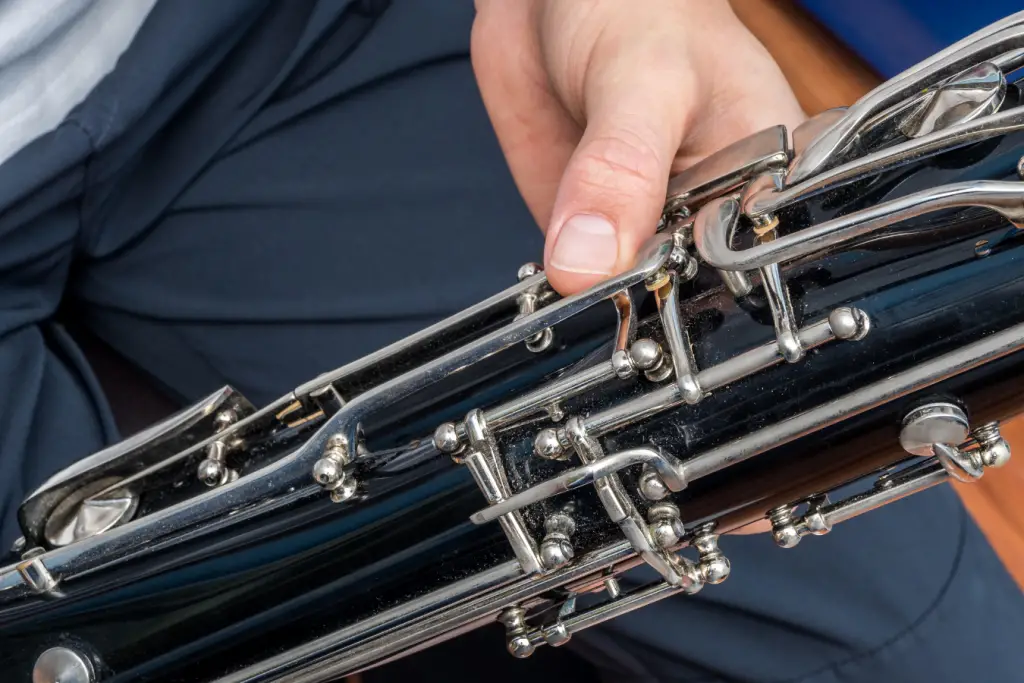
A structured and effective practice routine is essential for any bassoonist, whether you are a beginner or a seasoned player. By incorporating key elements into your practice sessions, you can build strong fundamentals, improve technique, and enhance musicality. Below, we outline the essential components of a well-rounded bassoon practice routine and provide tips for maximizing your progress.
1. Warm-Up Exercises
A proper warm-up prepares your body, embouchure, and fingers for efficient playing. It also helps prevent injury and improves tone quality.
Breathing Exercises
- Practice deep diaphragmatic breathing to develop lung capacity.
- Try long, controlled exhales to simulate steady airflow needed for sustained notes.
Long Tones
- Play whole notes at pp (pianissimo) and gradually increase to ff (fortissimo).
- Focus on smooth air support and even tone.
- Experiment with different dynamic changes within a single note.
Embouchure Flexibility
- Play simple lip slurs on different notes to enhance embouchure control.
- Hold notes steady while subtly adjusting embouchure pressure to find optimal tone.
Reed Warm-Up
- Test your reed before starting technical exercises.
- Adjust reed position and embouchure to ensure a balanced sound.
2. Scales and Arpeggios
Scales form the foundation of bassoon technique and are essential for finger coordination, intonation, and fluency.
Major and Minor Scales
- Practice all 12 major and minor scales daily.
- Use various articulations: slurred, tongued, and mixed.
- Play scales in different rhythmic patterns (eighth notes, triplets, sixteenth notes).
Chromatic Scales
- Start slowly, focusing on evenness between notes.
- Extend range gradually to improve facility in the high and low registers.
Arpeggios and Broken Chords
- Play arpeggios in different inversions.
- Incorporate dominant 7th and diminished 7th arpeggios.
Scale Variations
- Try different rhythmic subdivisions (dotted rhythms, syncopation).
- Use different articulation styles (legato, staccato, accents).
3. Technical Studies
Technical exercises help refine agility, speed, and coordination.
Finger Exercises
- Practice interval jumps to improve finger flexibility.
- Use slow, controlled movements to eliminate excess tension.
Articulation Drills
- Work on single, double, and triple tonguing exercises.
- Focus on clarity and precision.
- Experiment with various speeds and note groupings.
Crossing the Break
- Practice smooth transitions between different registers.
- Use slurred and tongued variations.
Etudes and Method Books
- Include studies from well-known bassoon method books such as:
- Weissenborn Studies
- Milde Scale and Chord Studies
- Jancourt Etudes
- Ozi Caprices
- Vary tempo and articulation for deeper mastery.
4. Repertoire Practice
Working on solo and ensemble repertoire is crucial for musical growth.
Solo Works
- Choose pieces appropriate for your skill level.
- Break difficult passages into smaller sections.
- Focus on phrasing, dynamics, and expression.
Orchestral Excerpts
- Study famous bassoon excerpts for auditions and performance preparation.
- Pay attention to common challenges like breath control and dynamic contrast.
Chamber and Ensemble Music
- Practice playing with recordings or a metronome to simulate ensemble playing.
- Work on intonation and blend when playing with other musicians.
5. Sight-Reading and Ear Training
Developing sight-reading skills enhances musical flexibility, while ear training improves tuning and interpretation.
Sight-Reading Tips
- Start with slow tempos and gradually increase speed.
- Focus on rhythmic accuracy and note recognition.
- Scan for key and time signature changes before playing.
Ear Training
- Play simple melodies by ear.
- Sing intervals before playing them on the bassoon.
- Use a tuner to check intonation.
6. Musical Expression and Interpretation
Music is more than just technique—it’s about storytelling and emotion.
Dynamics and Phrasing
- Experiment with different dynamic shapes.
- Use breath control to shape phrases naturally.
Tone Color and Timbre
- Adjust embouchure and air support to create different tone colors.
- Use vibrato sparingly to add warmth and expression.
Performance Practice
- Record yourself to evaluate tone, phrasing, and dynamics.
- Play pieces in front of friends or family to simulate performance conditions.
7. Cool-Down Routine
Ending your practice session with a cool-down helps maintain embouchure endurance and prevents strain.
Relaxed Long Tones
- Play soft, descending long tones to relax muscles.
- Focus on steady airflow and even tone.
Gentle Finger Exercises
- Slowly run through simple scale patterns.
- Avoid tension and unnecessary pressure.
Reed and Instrument Care
- Swab the bassoon thoroughly to remove moisture.
- Store the reed properly to maintain longevity.
- Check for any necessary adjustments.
8. Setting Practice Goals
Short-Term Goals
- Focus on mastering a specific passage or technique.
- Improve intonation and tone quality in difficult sections.
Long-Term Goals
- Prepare for a performance, audition, or competition.
- Expand repertoire and refine musical expression.
Tracking Progress
- Keep a practice journal to record achievements.
- Note areas that need improvement.
- Adjust your routine based on progress.
Final Thoughts
A consistent and structured practice routine is key to becoming a well-rounded bassoonist. By incorporating warm-ups, technical exercises, repertoire, sight-reading, and expressive playing, you can steadily improve and develop confidence in your performance.
Remember to stay patient, track your progress, and enjoy the process of making music! Happy practicing!