
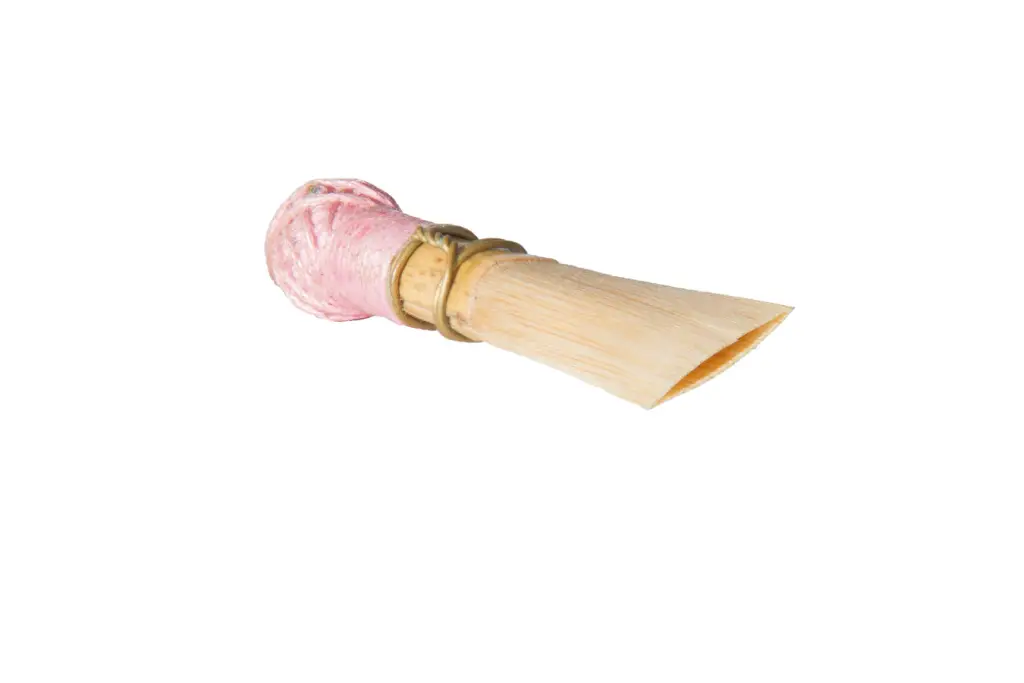
Reeds can significantly impact a musician’s performance, and a reed that feels too hard can be frustrating. Many factors contribute to this sensation, including the reed’s strength, cut, and material. A reed may feel too hard if it’s resistant to vibration, produces a stuffy or unfocused tone, or requires excessive air pressure to play.
A reed that is too strong can feel resistant, stuffy, or fuzzy in tone, and may even be unplayable. This issue can arise from selecting a reed with an inappropriate strength rating for one’s skill level or instrument. Additionally, environmental factors like humidity and temperature can affect a reed’s playability, making it feel harder than usual.
Musicians can address this problem through various methods. Adjusting the embouchure or taking more reed into the mouth may help in some cases. For more persistent issues, carefully sanding specific areas of the reed can soften its response. It’s crucial to find the right balance, as a reed that’s too soft can lead to other playing difficulties.
Understanding Reeds
Reeds are essential components of woodwind instruments, affecting sound quality and playability. Their composition and grading system influence the instrument’s performance and the musician’s experience.
Components of a Reed
A reed consists of several key parts. The tip, the thinnest section, vibrates to produce sound. The heart, located behind the tip, controls the reed’s responsiveness. The vamp extends from the heart to the bark, affecting the reed’s flexibility.
The shoulder connects the vamp to the stock, which is the thickest part of the reed. Each component plays a crucial role in the reed’s overall performance. The balance between these parts determines the reed’s strength and tonal characteristics.
Reed Strength and Grading
Reed strength refers to the reed’s thickness and stiffness. Manufacturers grade reeds on a numerical scale, typically ranging from 1 (soft) to 5 (hard). Softer reeds are easier to play but may produce a less focused tone. Harder reeds offer more resistance but can provide a richer sound.
Players may need softer or harder reeds depending on their skill level, embouchure strength, and desired tone. A reed that is too strong can feel resistant and produce a fuzzy or unfocused tone. Conversely, a reed that is too soft may lack projection and control.
Musicians often experiment with different reed strengths to find the ideal balance for their playing style and instrument.
Factors Contributing to Reed Hardness
Reed hardness can be influenced by several key elements that affect its playability and sound production. These factors interplay to create the unique characteristics of each reed.
Climatic Influences
Temperature and humidity play crucial roles in reed hardness. Cold temperatures can make reeds feel stiffer, while warmer conditions may soften them. High humidity can cause reeds to absorb moisture, making them feel softer and more pliable.
Conversely, low humidity environments can dry out reeds, increasing their perceived hardness. Musicians often notice these changes when traveling to different climates or experiencing seasonal shifts.
To combat climatic effects, players may use reed storage solutions that help maintain consistent humidity levels. These tools can help extend reed life and ensure more stable performance across varying conditions.
Reed Aging
The age of a reed significantly impacts its hardness. New reeds often feel stiffer due to their fresh cane fibers. As reeds are played, they gradually soften and become more responsive.
This breaking-in process can take several days to weeks, depending on playing frequency and duration. Some musicians prefer the bright sound of new reeds, while others favor the more mellow tone of well-broken-in reeds.
Over time, reeds may become too soft or lose their resonance. Regular rotation of reeds can help maintain a consistent playing experience. Storing reeds properly between uses can slow down the aging process and prolong their optimal playing condition.
Material Variability
The natural variation in cane material contributes to differences in reed hardness. Factors such as the cane’s growth conditions, harvesting time, and processing methods all affect the final product.
Even reeds from the same box may exhibit slight variations in hardness due to these natural differences. Some brands use synthetic materials to create more consistent reeds, which can provide a more stable hardness across different pieces.
Musicians often test multiple reeds to find the perfect match for their playing style and equipment. Experimenting with different strengths and brands can help players find the ideal balance between responsiveness and tonal quality.
Assessing Reed Hardness
Determining the hardness of a reed involves physical inspection and play-testing. These methods help musicians evaluate if a reed is too soft, too hard, or just right for their instrument and playing style.
Physical Inspection
Reed hardness can be initially assessed through visual and tactile examination. Hold the reed up to a light source to check for evenness and density. Darker areas indicate harder spots, while lighter areas are softer.
Feel the reed’s resistance by gently pressing it against your thumbnail. A harder reed will have less give. Compare multiple reeds to gauge relative hardness.
Examine the cut of the reed. A thicker tip generally indicates a harder reed. Look for any warping or inconsistencies in the shape, as these can affect playability.
Play-Testing
The most accurate way to assess reed hardness is through playing. Start with long tones in the low register. A reed that’s too hard will feel resistant and may produce a thin or airy sound.
Move through different registers. If the reed feels too hard, high notes may be difficult to produce or lack fullness. Test articulation and dynamic range. A well-matched reed should allow for clear articulation and a wide dynamic spectrum.
Pay attention to intonation. An overly hard reed can cause sharp intonation, especially in the upper register. Try different reeds in the same playing session to compare their feel and response.
Adjustment Techniques
Reed adjustment is crucial for achieving optimal playability and sound quality. Several methods can help soften an overly hard reed and improve its responsiveness.
Balancing the Reed
A balanced reed vibrates evenly across its entire surface. To balance a reed, gently squeeze the sides just behind the tip using your thumb and index finger. This technique can help increase flexibility.
Another approach is adjusting the reed placement on the mouthpiece. Experiment by moving the reed slightly up or down in relation to the mouthpiece tip. This minor adjustment can significantly impact the reed’s performance.
For oboe reeds, use a plaque and apply gentle pressure behind the tip. Gradually increase pressure and move closer to the string, being careful not to crack the reed.
Scraping and Clipping
Scraping is an effective method for thinning out specific areas of the reed. Use fine-grit sandpaper to lightly sand the vamp, starting from the shoulder and stopping short of the tip. Be cautious and make small adjustments.
For more precise work, specialized reed tools can be used to scrape specific areas. Focus on the heart and sides of the reed to increase flexibility without compromising stability.
Clipping the tip of the reed can also help soften its response. Use sharp reed scissors and remove a minimal amount, typically less than 1mm at a time. Test the reed after each adjustment.
Breaking-in Process
Breaking in a new reed gradually can help soften its response over time. Start by playing the reed for short periods, around 5-10 minutes per day. Gradually increase playing time as the reed becomes more responsive.
Alternate between soft and loud playing, as well as low and high register exercises. This varied approach helps the reed vibrate across its entire surface, promoting even flexibility.
Store reeds properly between playing sessions. Use a reed case that allows air circulation to prevent warping. Rotate through multiple reeds to extend their lifespan and maintain consistent playing quality.
Preventative Measures
Taking proactive steps can help maintain reed quality and prevent hardness issues. Proper storage and humidity control are crucial for preserving reed playability.
Proper Storage
Reed storage cases provide protection from damage and contaminants. Hard plastic cases shield reeds from impacts and crushing. Soft fabric pouches offer breathability while preventing debris accumulation.
Rotate reeds regularly to extend their lifespan and maintain consistent playing quality. Store reeds flat to prevent warping. Avoid leaving reeds on instruments when not in use.
Clean reeds after playing by gently wiping with a soft cloth. This removes saliva and debris that can affect reed flexibility. Allow reeds to dry completely before storage to prevent mold growth.
Humidity Control
Controlling humidity is essential for reed longevity and playability. Ideal relative humidity for reed storage is 45-55%.
Use humidity control products in reed cases:
- Humidity packs
- Sponges
- Humidifiers
Monitor case humidity with small hygrometers. Adjust as needed to maintain optimal levels. In dry climates, increase humidity. In humid environments, use desiccants to reduce moisture.
Avoid extreme temperature changes, which can cause rapid humidity fluctuations. Store reeds away from heat sources and direct sunlight. When traveling, use insulated cases to minimize environmental impacts on reed moisture content.
When to Replace a Reed
Reeds wear out over time and need to be replaced periodically. Knowing when to replace a reed is crucial for maintaining optimal sound quality and playability.
Signs that indicate it’s time to replace a reed include:
• Visible cracks or chips • Warping or curling at the tip • Discoloration or mold growth • Inconsistent or weak sound • Difficulty producing higher notes
Most reeds last 2-4 weeks with regular playing. However, reed lifespan varies based on factors like playing frequency, storage conditions, and saliva acidity.
Professional musicians often rotate multiple reeds to extend their usable life. This allows each reed time to dry between uses.
Replacing reeds promptly when they show signs of wear helps maintain consistent tone and responsiveness. It also prevents potential damage to the mouthpiece from playing on cracked or warped reeds.
While it may be tempting to continue using an old reed, doing so can negatively impact sound quality and make playing more difficult. Regular reed replacement is an important part of instrument maintenance.
Choosing the Right Reed
Selecting an appropriate reed involves considering factors like strength, material, and playing style. The right choice enhances tone quality, responsiveness, and overall playing experience.
Reed Selection Tips
Reed strength affects playability and sound production. Softer reeds are easier to play but may lack tonal depth, while harder reeds offer richer tones but require more air support. Players should start with medium-strength reeds and adjust based on comfort and sound quality.
New reeds often feel stiffer initially. Breaking in a reed over several days can improve flexibility. Musicians should choose a strength that feels slightly hard at first, as it will soften with use.
Reed material impacts tone and durability. Traditional cane reeds offer warm tones but vary in quality. Synthetic reeds provide consistency and longevity, though some players prefer the natural feel of cane.
Personal Play Style Considerations
A player’s embouchure strength and air support influence reed choice. Stronger players may prefer harder reeds for enhanced control, while beginners might benefit from softer reeds for easier sound production.
Mouthpiece characteristics affect reed performance. Wider tip openings typically work better with softer reeds, while narrower openings suit harder reeds. Players should experiment with different combinations to find their optimal setup.
Genre and playing style also impact reed selection. Jazz musicians often prefer softer reeds for flexibility, while classical players may opt for harder reeds to achieve a more focused tone.