
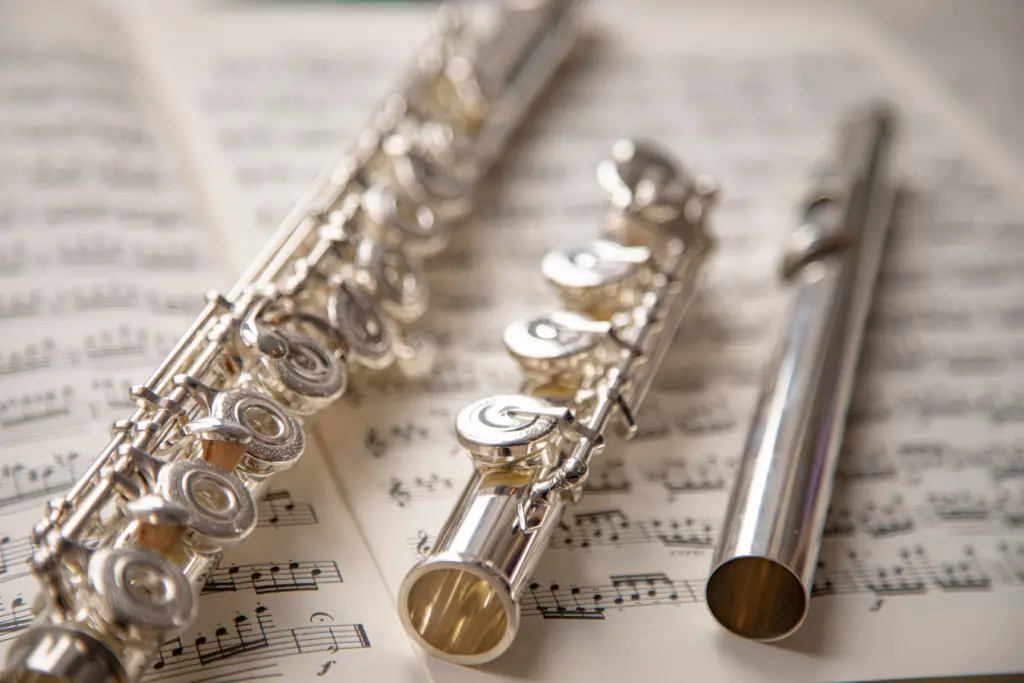
The flute, a mainstay among musical instruments, has ancient roots that captivate historians and musicians alike. The earliest flutes were discovered in present-day Germany, dating back over 35,000 years and crafted from bird bones and mammoth ivory. These primitive instruments highlight the flute’s long-standing role in early human societies, showcasing its evolution from rudimentary designs to refined contemporary models.
Exploring the history of the flute reveals its widespread presence in ancient civilizations. Evidence of flute-like instruments appears in Egypt, Greece, China, and other cultures, each contributing to its rich heritage. These findings reflect not only the instrument’s longevity but also its universal appeal across diverse societies and historical periods.
Understanding the origins of the flute unveils a narrative of human innovation and cultural exchange. As one of the oldest known musical instruments, its development over millennia underscores humanity’s enduring fascination with music and sound. The flute’s journey from prehistoric times to modern concert halls tells a compelling story of artistic expression and technological advancement.
Historical Development
The flute has a rich history that spans thousands of years, with its design and significance evolving across different cultures and time periods. From ancient bone instruments to the refined flutes of the Renaissance and Baroque, the development of the flute showcases advancements in craftsmanship and musical expression.
Early Flutes and Origins
The origins of the flute date back to prehistoric times, with the oldest discovered instruments made from animal bones. A notable example is the Divje Babe flute, believed to have been created by Neanderthals. Another ancient instrument, found in Hohle Fels cave, was crafted from the bone of a griffon vulture, demonstrating early human ingenuity.
In ancient civilizations such as Egypt and China, flutes were integral to musical traditions. These early flutes were typically end-blown or side-blown, using materials like wood, reed, and bone. The flute was particularly significant in ancient Greece, where it was associated with the god Pan and played in religious and cultural ceremonies.
Advancements Through Time
With the Renaissance and Baroque eras came significant advancements in flute technology and design. During the Renaissance, flutes often featured multiple joints and were constructed from materials like wood, leading to the development of the Renaissance flute. This period also saw the emergence of transverse flutes, which became popular for their rich, versatile sound.
The Baroque era introduced the one-keyed Baroque flute, known for its refined sound and greater expressive capabilities. As musical tastes evolved during the Classical period, so did flute construction, culminating in the development of the German flute, which laid the groundwork for modern flutes. These changes enabled more complex compositions and concert performances, solidifying the flute’s place in orchestral music.
Innovations and Modern Flute
Innovations in flute design have significantly shaped its sound and playability, impacting concert flutes and orchestral use. The Boehm system revolutionized key mechanisms, and a variety of flutes such as piccolos and bass flutes offer diverse tonal qualities.
The Boehm System
Theobald Boehm, a Bavarian goldsmith, transformed flute design in the 19th century. His work led to the development of the Boehm system, which introduced a cylindrical body and precise key mechanisms. These changes allowed for greater tonal range and improved tuning.
Boehm’s design emphasized a standardized embouchure hole and cylindrical tube, enhancing sound projection and clarity. Prior to this, flutes often had conical bodies and less efficient keys, limiting their capability in orchestras.
Many flute makers adopted Boehm’s innovations, producing instruments like the concert flute and orchestral flute. The Boehm system remains influential, seen in contemporary designs that prioritize enhanced tonal flexibility and response. This system adapted well to metal flutes, making them popular in modern music ensembles.
Flute Variations
Modern flute designs offer a wide array of options, each tailored to specific musical settings. Besides the standard concert flute, variants like the piccolo, alto flute, and bass flute expand the instrument’s range and adaptability. These flutes differ in size, tuning, and pitch, allowing for rich textural contrasts in music.
Flute makers continue to explore materials beyond metal, including blackwood and bamboo, used in instruments like the bansuri and dizi. These designs cater to unique cultural and acoustic traditions, offering distinctive sounds compared to Western classical flutes. The flute’s evolution reflects a blend of historical innovation and ongoing adaptation, meeting the demands of diverse musical landscapes.
Performance and Techniques
Playing the flute involves mastering various skills and techniques that enhance musical expression. The instrument has found a home in numerous musical genres, each requiring unique approaches and adaptations from flutists and flauntists.
Playing the Flute
Playing the flute requires precision in technique, especially in managing the finger holes and embouchure hole. Flutists adjust their embouchure, which is how they shape their lips, to control the airflow and produce a wide range of notes. Advanced players use techniques such as vibrato, which adds expressive modulation to the sound, and articulation for distinct note separation.
Techniques like multiphonics allow a player to produce more than one note at a time, showcasing advanced control and skill. Successful flute playing depends on mastery of these techniques, enabling the musical expression that characterizes great performances. Famous flute players often attribute their success to rigorous practice and a deep understanding of these foundational skills.
Musical Genres and Flutes
The flute is versatile and used across diverse musical genres, each demanding specific techniques. In classical music, flutists focus on precision and clarity, often playing intricate pieces by composers from the Baroque and Classical eras. The instrument is a key part of orchestral and chamber music.
In jazz, the flute gains a rhythmical and improvisational character, utilizing techniques like jazz flute solos for vibrant expressions. Folk music often incorporates flutes for their ethereal sound, while pop music uses the flute for a melodic enhancement. Each genre challenges the flutist to adapt their technique and approach, showcasing the flute’s capabilities across musical landscapes.
Flute in Culture and Society
The flute has always played a significant role in various cultures due to its unique sound and versatility as a wind instrument. In ancient times, the flute was often found in religious rituals and ceremonies, symbolizing a connection between the earthly and the divine. This historical use underscores its importance in many societies.
Throughout history, different types of flutes have emerged. The flauto traverso and the recorder were popular during the Renaissance period, highlighting their enduring appeal. Both instruments offered musicians the ability to explore a range of keys and semitones, enriching musical compositions.
In many cultures, flutes have been crafted from diverse materials such as wood, bamboo, and bone. The wooden flute remains a popular choice for its warm and rich sound. Vertical flutes, like the Balkan kaval, contrast with horizontal designs, each contributing to the instrument’s diverse repertoire.
The pan pipes are another unique form of flute that showcases the instrument’s adaptability. They consist of multiple tubes of varying lengths, each producing different pitches. This design is often associated with folk music traditions in South America.
Modern flute players, like Sir James Galway, have brought the instrument to a global audience, showcasing its melodic capabilities. His performances demonstrate the flute’s ability to captivate audiences, securing its place in both classical and contemporary music scenes.
Flutes, with their simple yet effective design utilizing keys and semitones, continue to be celebrated for their melodic beauty and cultural significance. Their enduring presence in societies worldwide speaks to their timeless charm and versatility as musical instruments.