
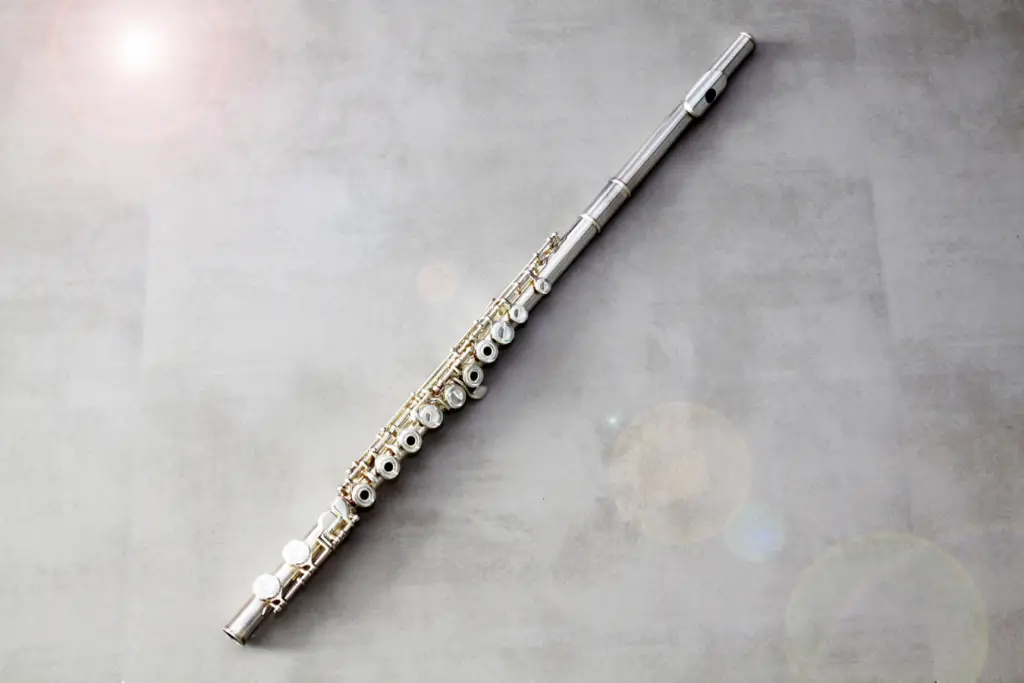
Choosing the right type of flute when starting can make a significant impact on a beginner’s learning experience and progress. Most beginners are encouraged to start with a silver-plated student flute that features closed holes and an offset G key. These features commonly found on beginner flutes make them easier to handle, which helps new players focus on developing their basic skills.
When selecting a flute, it’s crucial to consider the instrument’s playability and durability. A good beginner’s flute, such as the Pearl 505 Student Flute, known for its reliability and robust tone, can enhance the learning journey. The best flute for beginners often offers excellent craftsmanship with features like a C footjoint for easier finger placement.
Starting with the right equipment sets the foundation for a rewarding musical experience. Learning the flute is more accessible when it’s supported by well-chosen tools, eliminating early frustrations and fostering an enjoyable learning process. The journey begins with selecting a flute that aligns with the player’s needs and goals, guiding them into the world of music with confidence.
Understanding Flute Basics
Choosing the right flute as a beginner involves evaluating the different types and features available. Understanding these aspects helps in selecting an instrument that suits the player’s needs.
Types of Flute
Flutes come in various forms, with the most common one being the concert flute. This type is widely used by beginners and experienced players alike. The concert flute typically has a range starting from middle C, and it is usually equipped with a C foot joint.
For younger players, curved headjoints are beneficial as they ease the strain on developing arms. Bass flutes and piccolos are alternatives often explored by more advanced players but are not typically suited for beginners due to their unique shape and sound requirements.
Flute Features and Key Designs
When selecting a flute, key design plays a crucial role. Flutes commonly come with a choice between closed-hole keys, known as plateau keys, and open-hole keys, preferred by more advanced players. Beginners often start with closed-hole keys for ease of play.
The offset G and inline G key systems offer different ergonomic benefits. Among these, the offset G design is particularly favored by beginners for its comfort.
Power-forged keys and a split E mechanism enhance durability and ease of playing. These features are often found in well-crafted beginner flutes, ensuring a smoother learning process. Some models also include a B foot joint for an extended range, although it is typically less necessary for beginners.
Choosing the Right Beginner Flute
Selecting an appropriate beginner flute is crucial for new musicians. Factors like material, design, and craftsmanship determine the playability and durability of the instrument. Two essential considerations include identifying the best flutes for beginners and evaluating the playability and durability of these options.
Best Flutes for Beginners
When choosing a flute, beginners should consider models featuring a silver-plated finish, which offers a good balance between quality and price. Closed hole keys are recommended for ease of play, allowing new flutists to focus on developing their technique without the added complexity of open holes.
Flutes with an offset G key are often more ergonomic, making them a popular choice. The curved headjoint is another option, especially for young players, as it brings the keys closer to the body and requires less reach. Well-regarded brands such as Jupiter and Yamaha provide student flutes designed with these beginner-friendly features.
Evaluating Playability and Durability
High-quality craftsmanship is essential in a beginner flute, ensuring the instrument can withstand regular use. A durable flute will maintain its structural integrity and continue to produce a consistent sound over time. Durable models typically include robust tone holes and a well-crafted embouchure hole.
Playability relates to the ease with which a student can generate sound and control the instrument. A flute’s head joint design significantly impacts this. A student flute with a well-designed head joint facilitates the production of clear tones, aiding the learning process. Ensuring the flute is comfortable to hold and play helps maintain enthusiasm and commitment among beginners.
Recommended Flute Brands and Models
Selecting the right flute as a beginner is crucial for developing skills effectively. Key considerations should include build quality, ease of play, and affordability. Below are some trusted brands and models that provide these qualities.
Popular Flute Brands
Yamaha is renowned for producing reliable and high-quality flutes. Their models, like the Yamaha YFL-222, are suitable for beginners due to their exceptional construction and sound clarity. Gemeinhardt is another respected brand, often favored by beginners for their well-constructed student models such as the Gemeinhardt 2SP.
Pearl Flutes are known for their durability and excellent tone quality, making them a great option for new players. Trevor James flutes like the Trevor James 10X offer robust build quality and are ideal for both students and advancing players. These brands provide a solid foundation for learning and are popular in the flute community.
Model-Specific Insights
Models like the Yamaha YFL-222 flute, constructed with silver-plated nickel, offer a rich tone and easy playability, making them perfect for beginners. The Gemeinhardt 2SP flute has a strong reputation for durability and sound, with its silver-plated design providing a bright tone.
For those seeking budget-friendly options, the Jean Paul USA Silver Plated Flute and Prelude FL711 are noteworthy, offering quality and affordability. The Pearl 505 is praised for its robust tone and power-forged keys, making it an excellent student flute. These specific models balance performance and cost effectively.
Caring for Your Flute
Proper care is essential to maintain the durability and performance of a flute. Regular cleaning and thoughtful handling can help prevent damage and extend the instrument’s life.
Maintenance and Cleaning
Flutes should be cleaned every time they are used to protect the silver-plated finish and keep them looking their best. It is recommended to use a lint-free cleaning gauze wrapped around a cleaning rod to remove moisture from inside the flute Cleaning your flute. A wooden or plastic cleaning rod is preferred to avoid scratching the inner surface.
Gently polish the exterior using a polishing cloth to remove fingerprints and oils. If dark spots appear that a polishing cloth cannot remove, a silver cloth may be used for tougher stains Care and Maintenance of a Flute. Focus on using minimal pressure on the keys to prevent any damage or misalignment of the mechanism.
Storing and Handling Tips
Proper storage is crucial in maintaining the durability of a flute. It’s important to disassemble the flute and use a fitted case to protect it when not in use. Assembling and disassembling should be done carefully, avoiding pressure on the keys and mechanism to prevent misalignment Care & Maintenance of Your Flute.
Avoid exposure to extreme temperatures and humidity, which can affect the metal and pads. Never leave the flute in a hot car or a damp basement. Handle the flute with clean hands, and avoid holding it over the mechanism to prevent damage.