
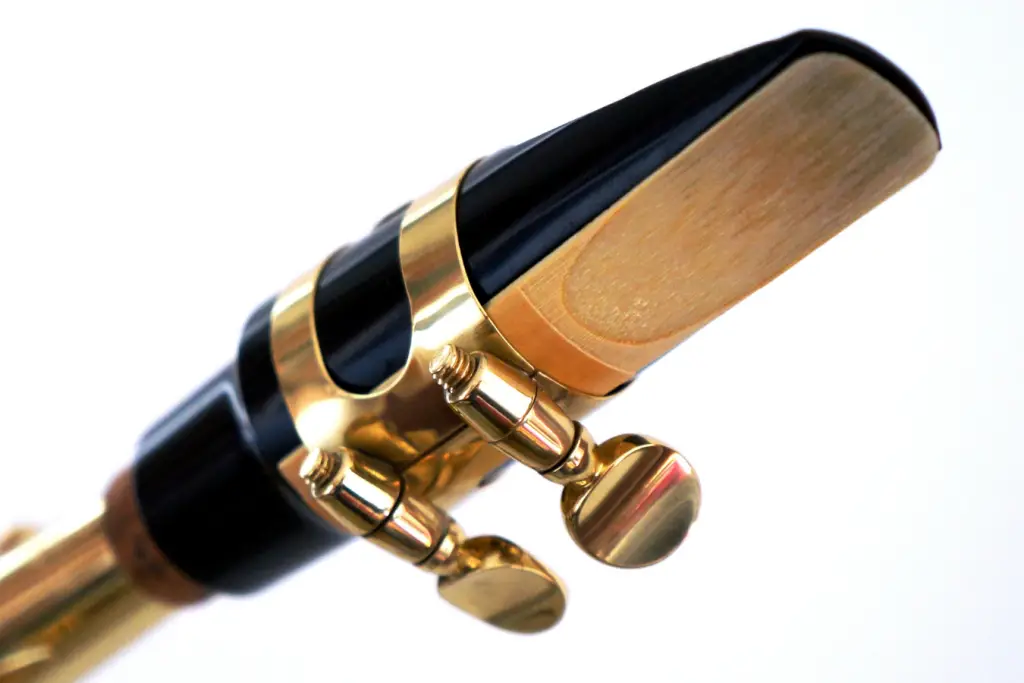
Saxophone and clarinet players often encounter warped reeds, which can significantly affect their performance. A warped reed can produce inconsistent sound and make playing difficult. Fortunately, there are simple solutions to address this common issue.
Soaking the reed in water for several minutes can often resolve warping problems. Fully immersing the reed allows it to absorb moisture evenly, helping to smooth out any wrinkles or inconsistencies. This method is effective for about 95% of warping issues and ensures the reed is played at a consistent moisture level.
For persistent warping, musicians can try gently adjusting the reed blades. Using careful finger pressure, players can increase the overlap between the blades, potentially correcting warping without specialized tools. Proper reed storage is also crucial – allowing reeds to dry with the back up can help prevent future warping issues.
Identifying a Warped Reed
A warped reed can significantly impact the sound and playability of a saxophone or clarinet. Musicians need to recognize the signs of warping to address the issue promptly.
Visual inspection is the first step in identifying a warped reed. Hold the reed up to a light source and examine its profile. A properly shaped reed will have a smooth, even curve from tip to heel.
Warped reeds often exhibit visible twists or bends. These deformations may appear as ripples along the reed’s surface or an uneven edge at the tip.
Another telltale sign is inconsistent contact with the mouthpiece. Place the reed on the mouthpiece and look for gaps between the reed and the flat surface. Uneven contact indicates warping.
Players may also notice changes in sound quality. Warped reeds can cause inconsistencies in tone, difficulty producing certain notes, or a general decline in responsiveness.
Texture changes can also signal warping. Run a finger along the reed’s surface. A warped reed may feel bumpy or uneven compared to a flat, smooth surface of a properly shaped reed.
Lastly, pay attention to playing experience. If a previously reliable reed suddenly becomes difficult to play or produces an unsatisfactory sound, warping could be the culprit.
Immediate Actions to Take
Addressing a warped reed promptly can help restore its playability. Two key techniques can often resolve this issue without specialized tools.
Moistening the Reed
Soaking a warped reed in water is an effective first step. Place the reed in a glass of water for 2-3 minutes. This hydration process helps relax the fibers and can naturally correct minor warping.
For a quicker method, hold the reed in your mouth for about 30 seconds. The moisture and warmth can have a similar effect to water soaking.
After moistening, inspect the reed. If the warp has disappeared, it’s ready for use. If not, proceed to the next step.
Gently Bending the Reed
If moistening alone doesn’t resolve the warp, manual adjustment may be necessary. Place the moistened reed on a flat surface, such as the table of the mouthpiece.
Apply gentle pressure with your thumb to the warped area. Be careful not to use excessive force, as this could damage the reed’s fibers.
Pinch the back of the reed between your thumb and index finger, applying light pressure. This can help reshape the reed without causing damage.
Check the reed’s flatness after each adjustment. Repeat the process if needed, always ensuring the reed remains moist during manipulation.
Long-Term Reed Care
Proper reed care extends the lifespan and maintains the quality of your instrument’s reeds. By focusing on storage techniques and humidity control, musicians can ensure their reeds remain in optimal condition for longer periods.
Proper Storage Techniques
Storing reeds correctly is crucial for their longevity. Musicians should place reeds in a dedicated case or holder when not in use. These cases protect the delicate tips from damage and help maintain the reed’s shape.
For single reeds, it’s advisable to store them flat to prevent warping. Some players use glass plates or specialized reed cases for this purpose.
Double reeds benefit from storage in tube-like containers that support their natural curve. These containers often include a small water reservoir to maintain humidity.
It’s important to clean reeds gently after each use. A soft cloth can remove moisture and debris without damaging the reed’s surface.
Maintaining Optimal Humidity
Humidity control is essential for reed longevity. Reeds perform best in environments with 45-55% relative humidity.
In dry climates, musicians can use humidifiers in their instrument cases. These small devices release moisture gradually, preventing the reeds from drying out and becoming brittle.
Conversely, in humid areas, silica gel packets or other desiccants can absorb excess moisture. This helps prevent mold growth and maintains the reed’s responsiveness.
Rotating between multiple reeds can also help manage moisture levels. This practice allows each reed time to dry out between uses, potentially extending its lifespan.
Regular maintenance checks are crucial. Players should inspect their reeds for signs of warping, mold, or other damage, and address issues promptly to ensure optimal performance.
When to Replace a Reed
Clarinet and saxophone players should replace their reeds regularly to maintain optimal sound quality and performance. The frequency of replacement depends on several factors.
A general guideline is to replace reeds every 2 to 4 weeks, regardless of playing frequency. However, musicians who practice for several hours daily may need to replace reeds more often, potentially every 1-2 weeks.
Signs that indicate it’s time to replace a reed include:
• Visible wear or damage • Decreased sound quality • Difficulty producing clear tones • Warping or splitting
Proper reed care can extend its lifespan. Storing reeds in a protective case and cleaning them after use helps prevent premature wear.
Beginners may find it challenging to recognize when a reed needs replacement. As a rule of thumb, new players should consider changing reeds every 6 weeks to ensure consistent sound quality.
Synthetic reeds, while more durable, also have a finite lifespan. When a synthetic reed no longer produces a vibrant tone, it’s time for a replacement.
Regular reed replacement is an essential part of instrument maintenance. It ensures optimal performance and helps musicians develop their skills with consistent sound quality.