
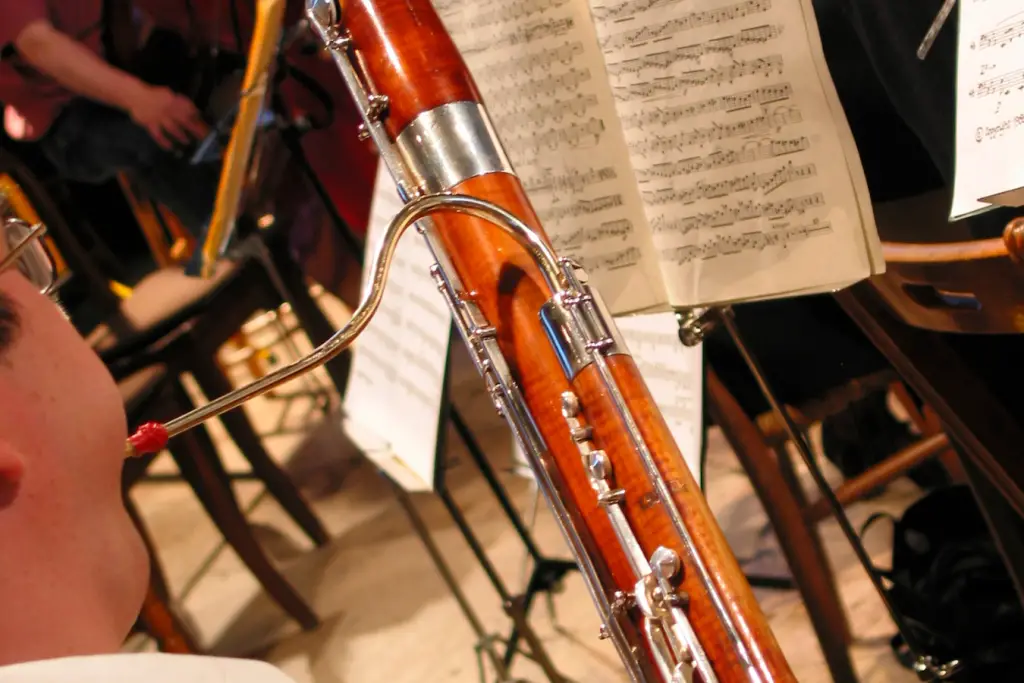
The bassoon is one of the most unique and fascinating woodwind instruments. Its deep, rich tone and wide range make it an essential part of orchestras and chamber ensembles. However, learning to play the bassoon is no easy task. Many aspiring musicians find it to be one of the most challenging instruments due to its complex mechanics, breath control, and fingering system.
In this article, we’ll explore:
✔ Why the bassoon is difficult to learn
✔ Common technical challenges
✔ Tips to overcome these difficulties
✔ Why learning the bassoon is still rewarding
1. The Bassoon’s Complex Mechanics
Unlike other woodwind instruments, the bassoon has an intricate key system and a double-reed that requires skill to control.
A. The Size and Shape of the Instrument
✔ The bassoon is over 4 feet long, requiring the musician to curve it around their body.
✔ Unlike the flute or clarinet, the bassoon isn’t held straight in front—its position can make posture and hand placement difficult.
✔ The long bore and multiple bends in the tubing affect airflow and resistance, making it harder to control.
B. A Complicated Key System
✔ The bassoon has more than 20 keys, requiring complex finger coordination.
✔ Unlike the flute or saxophone, some notes require half-holing or flicking keys to achieve the correct pitch.
✔ Certain fingerings change depending on octave shifts or intonation adjustments, making it less straightforward than other instruments.
C. The Role of the Double Reed
✔ The double reed requires precise embouchure control to produce a stable sound.
✔ Bassoon reeds need to be adjusted and shaped by hand, which means beginners must either learn reed-making skills or rely on professional reeds.
2. Breath Control and Air Support
One of the biggest challenges of playing the bassoon is air control.
A. High Air Volume Requirement
✔ Because of its long bore, the bassoon requires a lot of air to produce sound.
✔ Beginners often struggle with running out of breath quickly.
✔ Developing proper breath support takes time and practice.
B. Resistance and Backpressure
✔ The bassoon’s narrow double reed creates resistance, which makes it harder to sustain long phrases.
✔ Players must learn to balance their airflow so they don’t overblow or produce weak notes.
C. Controlling Dynamics
✔ Unlike some woodwinds, the bassoon’s low register can be soft and hard to project, while the high register can be too loud if not controlled.
✔ Mastering dynamic control takes years of practice.
3. The Complex Fingering System
Unlike simpler woodwinds, the bassoon has:
✔ Multiple keys operated by the thumb
✔ Different fingerings for the same note depending on the octave
✔ Half-hole techniques for certain notes
✔ Flicking techniques for smooth transitions
A. The Left Thumb Challenge
✔ The left thumb alone operates at least nine different keys.
✔ Beginners often struggle to find the correct key without looking.
B. Half-Holing for Certain Notes
✔ To play some notes (like F# and G#), the player must partially cover the hole—too much or too little can result in a poor sound.
C. Flicking for High Notes
✔ To avoid cracking in the higher register, bassoonists must quickly tap (“flick”) keys with the left thumb.
✔ This technique requires timing and precision.
4. Intonation and Tone Control
Unlike some instruments, the bassoon’s intonation is not naturally stable and requires constant adjustments.
A. The Role of the Embouchure
✔ A slight change in lip pressure can drastically affect pitch.
✔ Players must learn to adjust their embouchure for different registers.
B. Adjusting for Sharp or Flat Notes
✔ Some notes on the bassoon are naturally sharp or flat, requiring constant adjustments.
✔ This is done by:
- Altering airspeed
- Changing fingerings
- Using alternate fingerings for better tuning
C. Reeds Affect Intonation
✔ Since each reed is handmade, not all reeds respond the same way.
✔ Players often adjust or scrape their reeds to improve tuning.
5. The Physical Demands of Playing Bassoon
Playing the bassoon can be physically demanding, especially for younger or smaller players.
A. Holding and Balancing the Instrument
✔ The bassoon is heavier than other woodwinds and requires a seat strap or harness for support.
✔ Players must maintain good posture to avoid fatigue.
B. Hand Stretching and Dexterity
✔ The finger spacing is larger than on instruments like the flute or clarinet.
✔ Smaller hands may struggle to reach and press the keys accurately.
C. Endurance for Long Performances
✔ Because it requires a lot of air, bassoon players must develop lung endurance.
✔ Long pieces require stamina and control to maintain tone and intonation.
6. Tips to Overcome These Challenges
Despite these difficulties, many players master the bassoon with dedicated practice and guidance.
A. Developing Proper Technique
✔ Work on breath control using long tones.
✔ Practice thumb coordination separately to master key transitions.
✔ Use half-hole and flicking exercises to improve accuracy.
B. Strengthening Air Support
✔ Diaphragm exercises can help build air control.
✔ Playing long phrases on a single breath develops endurance.
C. Choosing the Right Reed
✔ Beginners should use medium-soft reeds for easier response.
✔ Learning to adjust reeds can help with tone and intonation.
D. Practicing Smart
✔ Break practice into short, focused sessions to prevent fatigue.
✔ Use slow, deliberate movements to build muscle memory.
✔ Work on tone and intonation separately before increasing speed.
7. Why Learning the Bassoon Is Worth It
Despite its challenges, the bassoon is an incredibly rewarding instrument.
🎶 Unique Sound – Its rich, expressive tone stands out in any ensemble.
🎼 High Demand – Bassoonists are always in demand in orchestras and bands.
🤩 Versatile Repertoire – From classical to jazz, the bassoon can play many styles.
🧠 Intellectually Engaging – The complexity of fingerings and techniques makes it a satisfying challenge.
While learning the bassoon takes time, dedication and the right approach can lead to beautiful results.
Conclusion: A Rewarding Challenge
The bassoon is challenging because of its size, key system, breath control, and intonation adjustments. However, with consistent practice and patience, mastering the bassoon can be an incredibly fulfilling journey.
If you’re up for the challenge, the bassoon offers a lifetime of musical enjoyment!