
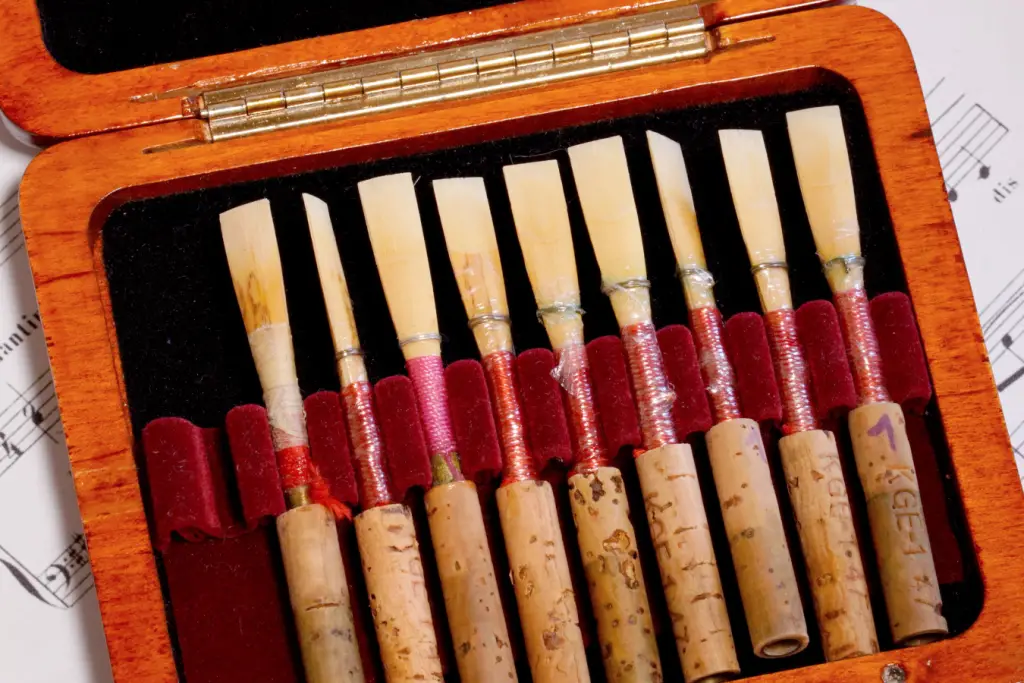
An oboe reed is a crucial component of the oboe, a double-reed woodwind instrument. This small, delicate piece of cane is responsible for producing the distinctive sound of the oboe and is essential for playing the instrument. Unlike single-reed instruments such as clarinets or saxophones, the oboe uses two pieces of cane that vibrate against each other to create sound.
Oboe reeds are typically made from a specific type of cane called Arundo donax. The cane is carefully selected, cut, and shaped to create a reed that produces the desired tone and response. Oboe reeds are extremely fragile and can be affected by factors such as humidity, altitude, and temperature, which can change the way each reed plays.
Proper care and maintenance of oboe reeds are essential for optimal performance. Many oboists keep multiple reeds on hand and store them in specialized reed cases to protect them from damage. Understanding the intricacies of oboe reeds is crucial for both beginners and experienced players to achieve the best possible sound and playing experience.
Basics of the Oboe Reed
The oboe reed is a crucial component that produces the instrument’s distinctive sound. It consists of specific materials and has a unique shape designed to create the proper vibrations and airflow.
Materials and Composition
Oboe reeds are typically made from a type of cane called Arundo donax. This cane is carefully selected, cut, and shaped to create the reed. The cane is split into three sections: the tube, the heart, and the tip.
The tube forms the base of the reed and attaches to the oboe. The heart is the thickest part, providing stability and resonance. The tip is the thinnest section, where the reed vibrates to produce sound.
Proper storage is essential for maintaining reed quality. Reeds should be kept in a case that holds them securely, protecting them from damage and helping to maintain their shape.
Size and Shape
Oboe reeds are small, typically measuring about 7 centimeters in length. They have a distinctive double-reed design, with two pieces of cane bound together.
The reed’s tip should form an elliptical opening when soaked. This opening is crucial for proper sound production and should be approximately the height of a dime in the center.
The overall shape of the reed affects its performance. A well-balanced reed has a slightly thicker tip and a thinner heart compared to other double reeds. This balance helps create the oboe’s characteristic tone and aids in pitch control.
Manufacturing Process
Oboe reed manufacturing involves intricate techniques and specialized equipment. The process requires precision and skill to produce reeds that meet the exacting standards of professional oboists.
Handmade Vs. Machine-Made
Oboe reeds can be crafted by hand or produced by machines. Handmade reeds are favored by many professional players for their customizable qualities. Skilled artisans carefully shape and adjust each reed to achieve optimal tone and response.
Machine-made reeds offer consistency and are often more affordable. These reeds are produced in larger quantities using automated equipment. While they may lack the fine-tuned characteristics of handmade reeds, they can be suitable for beginners or as practice reeds.
The choice between handmade and machine-made reeds depends on the player’s skill level, preferences, and budget.
Steps in Crafting an Oboe Reed
The reed-making process involves several precise steps:
- Selecting cane: Choose high-quality cane with appropriate diameter and density.
- Gouging: Thin the cane to a specific thickness.
- Shaping: Cut the cane into the distinctive oboe reed shape.
- Folding: Bend the shaped cane and tie it onto a tube.
- Scraping: Carefully remove layers of cane to achieve the desired flexibility and tone.
- Testing and adjusting: Play-test the reed and make fine adjustments.
Each step requires skill and attention to detail. Experienced reed makers often develop their own techniques to create reeds tailored to their playing style and instrument.
Adjustment and Tuning
Proper adjustment and tuning are crucial for optimal oboe reed performance. These processes involve balancing the reed’s components and fine-tuning its response to achieve the desired sound and playability.
Balancing the Reed
Balancing an oboe reed requires attention to its opening and overall shape. A well-balanced reed should have a slight opening at the tip when dry. To adjust this, gently squeeze the wire using your fingers if the reed has one.
For reeds without a wire, carefully manipulate the cane itself. If the reed feels thin during play, it may be too open. In this case, squeeze just behind the tip with the reed soaked and a plaque inserted.
Scraping techniques can also help balance the reed. If articulation is resistant, scrape the back of the reed and redefine all sections as needed. For a reed that’s too soft, clipping the tip slightly can increase stability.
Fine-Tuning Techniques
Fine-tuning an oboe reed involves making subtle adjustments to improve its response and intonation. One key technique is assessing the crow. Blow into the reed with your mouth on the thread, aiming for three octaves of a “C” sound.
To adjust pitch, scrape the heart of the reed lightly to lower it, or clip the tip to raise it. For improved response, work on the tip corners, scraping them into the roofline if they’re too thick.
Stability issues can be addressed by scraping the back of the reed. If the reed is too resistant, carefully thin the tip or sides. Remember to make small adjustments and test frequently to avoid over-scraping.
Playing the Oboe Reed
The oboe reed is crucial for producing sound and requires proper technique for optimal performance. Correct insertion and positioning are essential, while the reed’s condition significantly impacts the instrument’s tone and responsiveness.
Insertion and Position
To begin playing, insert the oboe reed into the bore at the top of the instrument. Push it in firmly until it cannot go further. Hold the top joint securely during insertion to avoid damaging the keys.
The reed should sit straight and centered in the bore. Any misalignment can affect sound production and playing comfort.
Before playing, soak the reed in lukewarm water for 2-3 minutes. This ensures proper moisture content for optimal vibration. Avoid soaking for longer periods, as it may reduce the reed’s lifespan.
Position the reed between your lips, allowing about 1/3 of its length inside your mouth. Maintain gentle pressure with your embouchure to control airflow and pitch.
Impact on Sound
The oboe reed’s condition directly influences the instrument’s sound quality. A well-maintained reed produces clear, resonant tones, while a damaged or poorly adjusted reed can result in thin or unstable sounds.
Reed thickness affects pitch and resistance. Thicker reeds generally produce lower pitches and require more air pressure, while thinner reeds tend to be higher-pitched and more responsive.
The shape of the reed’s tip impacts tone color and articulation. A wider tip often yields a darker tone, while a narrower tip can produce brighter sounds and facilitate quicker articulation.
Regular maintenance, including gentle scraping and adjusting, helps optimize the reed’s performance. Players must balance the reed’s responsiveness with desired tonal qualities through careful adjustments.
Maintenance and Longevity
Proper care and maintenance are crucial for extending the lifespan of oboe reeds. Regular attention and addressing common issues can significantly impact reed performance and longevity.
Daily Care
Oboe reeds require consistent maintenance to perform optimally. After playing, gently remove excess moisture by blowing through the cork end. Avoid introducing saliva into the reed during this process.
Store reeds in a dedicated case rather than airtight containers to prevent mold growth. Reed cases allow air circulation while protecting the delicate cane.
Rotate between multiple reeds to extend their life. This practice prevents overuse and allows each reed time to dry completely between playing sessions.
Inspect reeds regularly for signs of wear or damage. Discard reeds with cracks, splits, or other structural issues that may affect sound quality or playability.
Common Issues and Resolutions
Reed response can change due to environmental factors. In dry conditions, reeds may become too hard. Soaking them briefly in clean water can restore flexibility.
Conversely, high humidity can make reeds too soft. Gently squeezing the blades with clean fingers can help remove excess moisture.
Warping is a common issue that affects reed alignment. Carefully press warped reeds between two flat surfaces to realign the blades.
If a reed develops mold, it should be discarded immediately. Prevent mold growth by ensuring reeds dry completely after use and storing them in a well-ventilated case.
Reeds typically last 10-15 hours of playing time or up to one month. Advanced players may need to replace reeds more frequently, sometimes every few days, to maintain optimal performance.
Replacement and Lifespan
Oboe reeds have a limited lifespan and require regular replacement. Intermediate players typically need to replace their reeds every 2-3 weeks, while advanced or professional players may need to change them more frequently.
The average oboe reed lasts for approximately 10-15 hours of playing time. However, this can vary depending on factors such as playing frequency, reed quality, and environmental conditions.
Weather changes can affect a reed’s viability. Humidity and temperature fluctuations may cause the reed to warp or lose its shape, impacting its performance.
Signs that an oboe reed needs replacement include:
- Collapsed reed opening
- Frayed reed tip
- Cracks in the reed
- Difficulty producing sound
- Inconsistent pitch
Proper care and maintenance can extend a reed’s lifespan. This includes storing the reed in a protective case and limiting soaking time to 2-3 minutes before playing.
Oboists should always have multiple reeds available, as each reed has unique characteristics. Regular replacement ensures optimal sound quality and playing experience.
Varieties of Oboe Reeds
Oboe reeds come in different strengths, cuts, and specialized types to suit various playing needs and preferences. These variations affect the instrument’s tone, response, and playability.
Strengths and Cuts
Oboe reeds are available in different strengths, typically ranging from soft to hard. Softer reeds are easier to play but may lack control, while harder reeds offer more precision but require greater embouchure strength.
Reed cuts also vary, with American and European styles being the most common. American-style reeds have a shorter scrape, producing a brighter tone. European-style reeds feature a longer scrape, resulting in a darker, more focused sound.
Some reeds are classified by numbers or letters to indicate their strength. Beginners often start with softer reeds (1 or 2) and progress to harder ones (3 or 4) as their skills improve.
Specialized Reed Types
Handmade and machine-made reeds are the two main categories of oboe reeds. Handmade reeds offer customization and quality but are more expensive. Machine-made reeds are more affordable and consistent, making them suitable for beginners and students.
Some specialized reeds include:
- Short scrape reeds: Used in British and some European orchestras
- Long scrape reeds: Common in American orchestras
- German-style reeds: Feature a distinctive shape and scrape
English horn reeds typically have wire wrapped around them to maintain their shape, unlike standard oboe reeds. Some manufacturers produce reeds designed for specific playing situations, such as outdoor performances or high-altitude venues.