
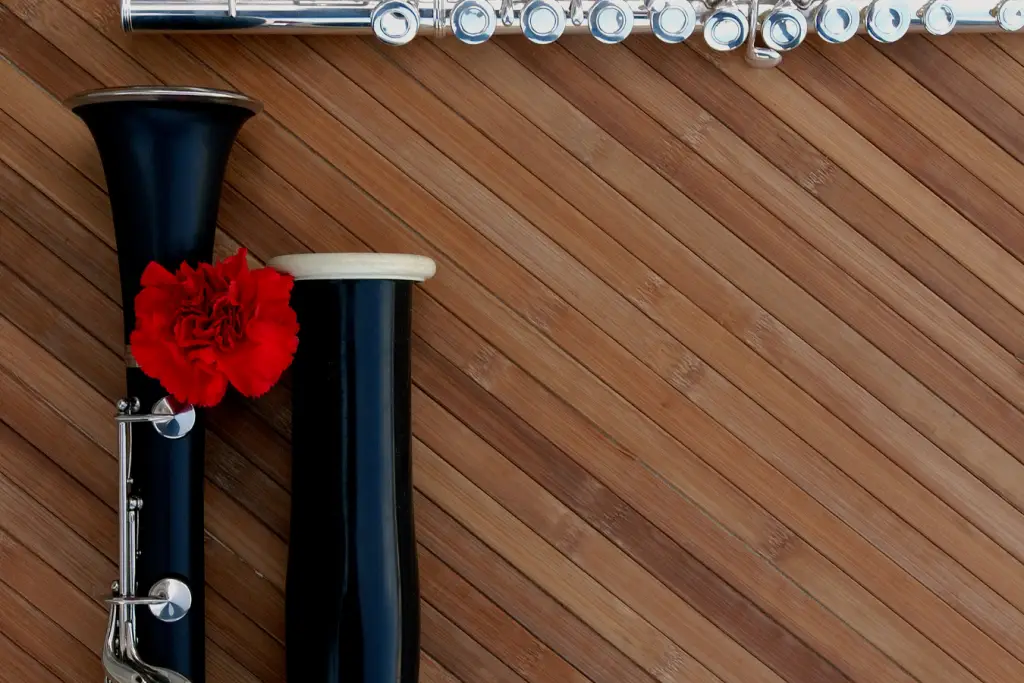
Oboes come in two distinct styles: French and German. These variations emerged in the 19th century, each with unique characteristics that influence their sound and playing technique. The French-style oboe has become the standard in most orchestras worldwide, while the German-style oboe, also known as the Wiener oboe, is primarily used in Vienna and surrounding areas.
The choice between French and German oboes impacts not only the instrument itself but also the reeds and playing style. French-style oboes produce a brighter, more focused sound, while German oboes offer a somewhat nasal, warmer tone. This difference in sound quality has led to the French oboe‘s widespread adoption, particularly after renowned composer Richard Strauss expressed his preference for it.
Understanding the distinctions between these two oboe styles is crucial for musicians and composers alike. The instrument choice affects the overall timbre of orchestral compositions and requires different techniques from players. As oboe enthusiasts delve deeper into the world of this double-reed instrument, exploring the nuances between French and German styles opens up a fascinating realm of musical history and performance practice.
Historical Development
The French and German oboe styles emerged from distinct musical traditions and engineering approaches. Their divergent paths shaped the modern oboe’s evolution.
Origins of the French-Style Oboe
The French-style oboe traces its roots to the late 17th century. Jean Hotteterre and Michel Philidor developed the hautbois, an improvement on the shawm. This instrument gained popularity in France and spread across Europe.
The Paris Conservatoire played a crucial role in refining the French oboe. In the late 18th century, they created the conservatoire model, setting a new standard for oboe design and performance.
French oboe makers focused on creating instruments with a brighter, more flexible tone. They prioritized agility and expressiveness in their designs.
Evolution of the German-Style Oboe
German oboe development took a different direction. Early German oboists adapted the French hautbois, adding more keys to expand its capabilities.
In the 19th century, German makers like Sellner and Uhlmann created oboes with complex key systems. These instruments offered improved intonation and technical facility.
The German style emphasized a darker, fuller tone. Makers achieved this through wider bores and different reed designs. German oboes became known for their stability and rich sound.
Fritz Flemming, a French oboist in the Berlin Philharmonic, influenced German oboe making. His presence led to a blending of French and German elements in some German instruments.
Physical Characteristics
French and German-style oboes exhibit distinct physical differences in their keywork, dimensions, and construction materials. These variations contribute to each instrument’s unique sound and playing characteristics.
Keywork and Fingering Systems
French-style oboes typically feature a more complex keywork system with additional keys and mechanisms. This design allows for greater flexibility in fingering options and facilitates certain technical passages. The French system often includes a third octave key and a low B-flat key.
German-style oboes, in contrast, have a simpler keywork arrangement. They often lack some of the auxiliary keys found on French models. This streamlined design can make certain fingerings more challenging but may offer a more direct connection between the player and the instrument.
The placement and shape of key touchpieces also differ between the two styles. French oboes tend to have flatter key surfaces, while German models often feature more curved or domed touchpieces.
Size and Dimensions
French-style oboes are generally slightly longer and have a narrower bore compared to their German counterparts. This design contributes to their brighter, more focused tone quality.
German-style oboes typically have a wider bore, resulting in a fuller, darker sound. The overall length of German oboes is usually shorter than French models.
The bell shape also differs between the two styles. French oboes often have a more flared bell, while German bells tend to be less pronounced.
Materials and Construction
Both French and German oboes are primarily crafted from African Blackwood (Grenadilla) due to its density and tonal properties. However, the wood treatment and seasoning processes may vary between manufacturers.
French-style oboes often feature silver-plated or nickel-silver keywork. The key mounting system typically uses needle springs for a responsive action.
German oboes frequently employ gold-plated or brass keywork. They often use flat springs for key mounting, which can provide a different tactile feel during play.
The internal bore design also differs. French oboes generally have a more gradual taper, while German models may feature a more pronounced step bore. These variations in construction contribute to the distinct tonal characteristics of each style.
Playing Technique
French and German-style oboes require different approaches to playing technique. These variations stem from the instruments’ distinct designs and historical development.
Embouchure and Air Support
French-style oboes demand a more relaxed embouchure with less pressure on the reed. Players focus on a round, open mouth shape to produce a brighter, more projecting tone. Air support is crucial, requiring consistent breath control to maintain pitch stability.
German-style oboes, in contrast, call for a firmer embouchure. The player applies more pressure to the reed, resulting in a darker, richer tone. This technique requires greater jaw engagement and precise control of lip muscles.
Both styles emphasize proper breath support, but German oboes often need more air pressure to overcome the resistance of their typically thicker reeds.
Articulation and Fingering Techniques
French oboe players tend to use a lighter, more agile articulation style. This approach allows for quicker, more precise tonguing and facilitates rapid passages. Fingering techniques on French oboes often involve more sliding between notes due to the key system designed for fast, high-volume playing.
German oboes require a slightly heavier articulation to match their darker tone. Players often use a more deliberate tonguing technique to maintain clarity in complex passages. Fingering on German oboes can be more straightforward due to their simpler key system, but may require more strength to operate the keys effectively.
Both styles emphasize clean attacks and releases, but French technique generally aims for a more brilliant sound, while German technique focuses on a smoother, more blended articulation.
Tonal and Acoustic Properties
French and German-style oboes exhibit distinct tonal characteristics and acoustic properties. These differences significantly impact their sound quality, timbre, pitch, and intonation.
Sound Quality and Timbre
French-style oboes produce a brighter, more focused tone with a clearer projection. Their sound is often described as more refined and elegant, with a sharper edge to the timbre. This makes French oboes particularly well-suited for solo performances and chamber music.
German-style oboes, in contrast, offer a darker, fuller sound. Their tone is typically warmer and rounder, with a richer spectrum of overtones. This gives German oboes a more blended quality, making them ideal for orchestral settings where they need to blend seamlessly with other instruments.
The difference in timbre between the two styles is partly due to their construction. French oboes use a narrower bore and thinner walls, while German oboes have a wider bore and thicker walls.
Pitch and Intonation
French-style oboes are known for their flexibility in pitch control. They allow for greater ease in bending notes and making quick adjustments to intonation. This characteristic is particularly valuable in solo and small ensemble playing, where precise control over pitch is crucial.
German-style oboes, with their wider bore, tend to have more stable intonation across their range. They offer a more consistent pitch, which can be advantageous in orchestral settings where maintaining a steady pitch is essential.
The differences in pitch stability also affect how each style of oboe responds to changes in temperature and humidity. French oboes may require more frequent tuning adjustments, while German oboes generally maintain their tuning more reliably in varying conditions.
Repertoire and Musical Context
French and German-style oboes have distinct roles in orchestral and chamber music repertoire. Their unique tonal qualities and technical capabilities influence composers’ choices and performance practices across different musical eras.
Classical and Romantic Eras
The French oboe style gained prominence during the Classical period. Its brighter tone suited the light, transparent textures favored by composers like Mozart and Haydn. French oboes excelled in virtuosic passages and solo roles.
German oboes, with their darker timbre, became more popular in the Romantic era. Composers like Brahms and Wagner favored their rich, blended sound in orchestral settings. German oboes integrated seamlessly with other woodwinds and strings.
Notable works for French-style oboes include Mozart’s Oboe Concerto and Quartet. For German oboes, Schumann’s Three Romances and Brahms’ Violin Concerto (with its prominent oboe solo) are significant pieces.
Contemporary Music
In the 20th and 21st centuries, composers have exploited the unique characteristics of both oboe styles. French oboes are often chosen for their agility in modern chamber works and avant-garde pieces. Their bright tone cuts through complex textures.
German oboes continue to be favored in orchestral settings. Their warm sound blends well in large ensembles and suits neo-romantic compositions. Contemporary composers like John Adams and Kaija Saariaho have written works that showcase both oboe styles.
Some modern pieces deliberately contrast French and German oboes within the same composition, highlighting their tonal differences.
Geographical Prevalence
French and German-style oboes have distinct regional preferences and usage patterns across Europe and globally. Their distribution reflects historical, cultural, and musical traditions in different parts of the world.
Popularity in Europe
In France, the French-style oboe dominates orchestras and music schools. It’s the standard instrument for classical performances and education. German-style oboes are more prevalent in Germany, Austria, and parts of Eastern Europe.
Many British orchestras favor the French oboe, while some incorporate both styles. Italian and Spanish ensembles often use French oboes, but German models are gaining popularity.
In Scandinavian countries, there’s a mix of both styles, with a slight preference for German oboes in professional settings. Swiss orchestras reflect the country’s linguistic divide, with French oboes more common in French-speaking regions and German oboes in German-speaking areas.
Global Distribution and Use
Outside Europe, the distribution of oboe styles varies widely. In North America, both French and German oboes are used, with a slight preference for the French style in many orchestras.
South American countries generally favor French oboes, influenced by their historical ties to European musical traditions. In Asia, there’s a growing interest in Western classical music, with both styles being adopted.
Japanese orchestras often use German-style oboes, while Chinese ensembles tend to prefer French models. In Australia and New Zealand, French oboes are more common, but German oboes are increasingly popular among professional players.
African orchestras, though fewer in number, typically use French oboes due to historical French influence in many regions.
Manufacturers and Brands
French and German oboe manufacturers have distinct approaches to crafting their instruments, resulting in unique tonal qualities and playing characteristics. Several renowned makers have established themselves as leaders in each tradition.
Notable French Oboe Makers
Lorée stands out as a prominent French oboe manufacturer. Founded in 1881, the company produces high-quality instruments favored by many professional oboists. Lorée offers both “Standard” and premium “Royale” models, catering to various musical needs.
Marigaux is another esteemed French oboe maker. Their instruments are known for producing a dark, mellow tone. The Marigaux 901 model is particularly popular, featuring a responsive low register and an even high register.
Rigoutat, established in 1922, is also highly regarded in the French oboe-making tradition. Their instruments are prized for their rich, centered sound and precise intonation.
Prominent German Oboe Manufacturers
Heckel is a leading German oboe manufacturer with a history dating back to 1831. They are known for producing instruments with a darker, more focused tone characteristic of the German style.
Püchner, founded in 1897, is another respected German oboe maker. Their instruments are valued for their warm, full-bodied sound and excellent craftsmanship.
Mönnig, established in 1912, rounds out the top tier of German oboe manufacturers. They are renowned for their attention to detail and the consistent quality of their instruments.
Each of these German makers produces oboes that exemplify the rich, deep timbre associated with the German playing style.
Maintenance and Care
Proper maintenance is crucial for both French and German-style oboes to ensure optimal performance and longevity. Regular cleaning after each use helps prevent buildup of moisture and debris.
For both styles, players should swab the instrument’s bore and wipe down the exterior after playing. A soft cloth can be used to clean the keys and body.
French-style oboes may require more frequent adjustments due to their complex key system. Players should check for loose screws and springs regularly.
German-style oboes, with their simpler mechanism, may need less frequent adjustments but still benefit from regular maintenance checks.
Both types of oboes should be serviced by a professional at least once a year. This includes thorough cleaning, pad replacement if necessary, and overall mechanism adjustment.
Proper reed care is essential for both styles. Reeds should be soaked before playing and stored in a protective case when not in use.
Key points for oboe maintenance:
- Clean after each use
- Regular mechanism checks
- Annual professional service
- Proper reed care and storage
By following these maintenance practices, players can ensure their French or German-style oboes remain in top condition for years to come.
Player Community and Resources
French and German oboe players each have vibrant communities and dedicated resources. These support networks help musicians develop their skills and connect with fellow enthusiasts.
For French oboe players, organizations like the International Double Reed Society offer forums, workshops, and publications. These resources cater to players of all levels, from beginners to professionals.
German oboe enthusiasts can find support through regional orchestras and music schools. Many of these institutions offer specialized programs and masterclasses focused on the German oboe style.
Online platforms serve both communities, providing:
- Discussion forums
- Video tutorials
- Sheet music exchanges
- Instrument maintenance tips
Social media groups and YouTube channels have become popular ways for players to share techniques and performances. These platforms allow for real-time interaction and feedback among oboists worldwide.
Local music stores often stock supplies for both French and German oboes. However, specialized reed-making tools and accessories may require ordering from dedicated suppliers.
Music festivals and competitions frequently feature categories for both French and German oboe styles. These events provide opportunities for players to showcase their skills and learn from experts in their chosen style.
Universities and conservatories typically offer programs tailored to either French or German oboe traditions. Students can choose institutions that align with their preferred playing style and career goals.