
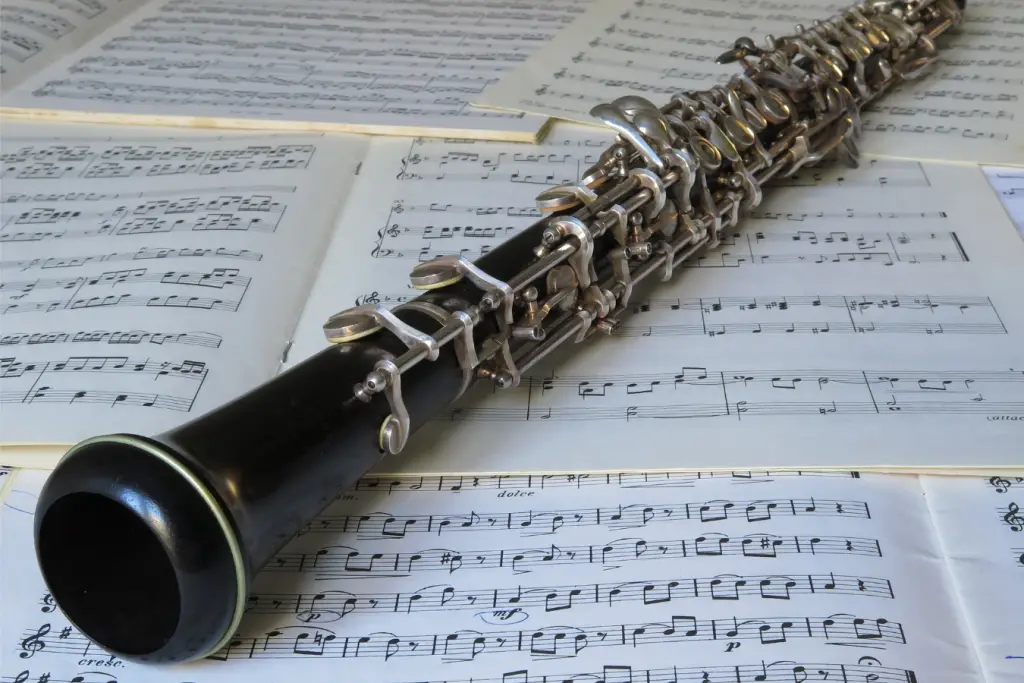
Choosing the right oboe can be daunting for beginners, but several reputable brands offer quality instruments suitable for new players. These brands have developed oboes that balance affordability with sound quality and durability.
Some good oboe brands for beginners include Yamaha, Fox, and ammoon. Yamaha makes very good intermediate oboes that are durable and long-lasting, making them suitable for beginners who plan to continue playing. Fox is known for producing excellent intermediate instruments for both oboists and bassoonists. Ammoon offers affordable options for students to test their interest in the instrument without a significant financial investment.
When selecting an oboe, beginners should consider factors such as the instrument’s key system, material, and price point. A thumb plate oboe is often recommended for beginners, as it offers simpler finger patterns and allows younger players to start learning the instrument more easily. By choosing a reputable brand, new oboists can ensure they have a quality instrument to support their musical journey.
Importance of Selecting the Right Oboe
Choosing the appropriate oboe is crucial for beginners. The right instrument affects learning progress, sound quality, and overall enjoyment of playing. A well-matched oboe can inspire practice and musical growth.
Factors to Consider
When selecting an oboe, beginners should focus on several key aspects. Material plays a significant role in sound production. Wooden oboes offer a richer tone, while plastic models are more durable and affordable. Key system is another important factor. Beginners often benefit from simpler key layouts.
Bore design influences playability and tone. The American bore (AK) is popular in North America, producing a focused, dark sound. Standard bores offer a different tonal quality.
Price is a practical consideration. Quality student models balance affordability with performance. Renting can be a good option to start.
Oboe as a Long-Term Investment
A well-chosen oboe can serve a player for years. Professional-grade oboes are crafted to last and maintain their value. They offer superior sound quality and responsiveness, enhancing a player’s development.
Investing in a quality instrument early can save money in the long run. Upgrading incrementally allows players to grow with their instrument. Some brands offer trade-in programs, making future upgrades more accessible.
Regular maintenance extends an oboe’s lifespan. Proper care, including cleaning and periodic servicing, protects the investment. A well-maintained oboe retains its value and performance capabilities over time.
Top Beginner Oboe Brands
Several oboe brands offer quality instruments suitable for beginners. These brands provide reliable craftsmanship, good intonation, and durability to support new players as they develop their skills.
Yamaha
Yamaha produces excellent student oboes known for their consistency and playability. The Yamaha YOB-241 is a popular model for beginners, featuring:
- Durable plastic resin body
- Nickel silver keys
- Simplified key system for easier learning
Yamaha oboes offer good intonation and a clear tone. They’re designed to be low-maintenance, making them ideal for students. The brand’s reputation for quality control ensures reliable performance across instruments.
Selmer
Selmer oboes are respected for their rich tone and precise mechanics. For beginners, the Selmer 123FB model stands out with:
- Grenadilla wood body
- Silver-plated keys
- Semi-automatic octave system
These oboes produce a warm sound and respond well to developing embouchures. Selmer’s attention to detail in manufacturing results in instruments that maintain their quality over time.
Buffet Crampon
Buffet Crampon offers beginner-friendly oboes with excellent craftsmanship. The Buffet 4052 model is particularly suitable for new players:
- ABS resin body (durable and resistant to cracking)
- Nickel silver keys
- Simplified keywork for easier fingerings
These oboes are known for their stable intonation and even response across registers. Buffet Crampon’s instruments often grow with the player, serving well into intermediate levels.
Fox
Fox produces high-quality oboes that cater to beginners and advancing players. The Fox Renard Model 330 is a standout choice:
- Resonite body (composite material)
- Full conservatory system
- Silver-plated keys
Fox oboes are praised for their rich tone and reliable mechanics. They offer features typically found in professional models, allowing beginners to develop proper technique from the start.
Understanding Oboe Materials
Oboe materials play a crucial role in the instrument’s sound quality, durability, and playability. The choice between plastic and wood affects both beginner and advanced players.
Plastic vs. Wood
Plastic oboes are often recommended for beginners due to their affordability and low maintenance requirements. They resist cracking and warping, making them ideal for students learning proper care techniques. Yamaha’s YOB-241 Series Student Oboe is a popular plastic model for beginners.
Wood oboes, typically made from grenadilla or rosewood, produce a richer, more complex tone. Professional and advanced players prefer wooden instruments for their superior sound quality and resonance. However, wood oboes require more careful handling and regular maintenance to prevent cracking.
Some manufacturers offer composite materials that combine the benefits of both plastic and wood. These hybrids aim to provide durability with improved tonal qualities.
Durability Concerns
Plastic oboes are highly durable and can withstand temperature changes and rough handling. They are less likely to crack or warp, making them suitable for outdoor performances or varying climates.
Wooden oboes, while producing superior sound, are more susceptible to damage from environmental factors. They require careful climate control and regular oiling to maintain their integrity. Cracking is a significant concern, especially in dry or fluctuating conditions.
Players must consider their environment and playing habits when choosing between materials. For young students or those in harsh climates, plastic or composite oboes may be the safer choice. Advanced players willing to invest time in maintenance may prefer the rich tones of wooden instruments.
Oboe Accessories for Beginners
New oboists require essential accessories to support their musical journey. These items help maintain the instrument, produce quality sound, and protect the oboe during transport and storage.
Reeds
Reeds are crucial for producing sound on an oboe. Beginners should start with medium-strength reeds, as they offer a balance between ease of play and tonal quality. Most student oboists use commercially produced reeds initially.
Reed cases are essential to protect these delicate components. A case that holds 3-4 reeds is sufficient for beginners. It’s advisable to rotate between multiple reeds to extend their lifespan.
Water containers or reed soaking cups are necessary accessories. Reeds need to be moistened before playing to produce optimal sound. A small, portable container allows players to soak reeds conveniently.
Cases
A sturdy case is vital for protecting the oboe from damage. Most new instruments come with a case, but upgrading to a higher-quality option can provide better protection.
Hard cases offer maximum security but can be heavier. Soft cases are lighter and more portable, making them suitable for students who frequently transport their instruments.
Look for cases with ample padding and separate compartments for accessories. Some cases feature backpack straps for easier carrying, which can be beneficial for younger players.
Care Kits
Care kits contain essential items for maintaining an oboe. A basic kit typically includes:
- Swab or pull-through: For removing moisture after playing
- Cork grease: To lubricate joints and ensure a snug fit
- Key oil: For lubricating mechanisms
- Polishing cloth: To remove fingerprints and maintain shine
A swab is one of the most crucial accessories for beginners. It helps prevent water damage and keeps the instrument clean. Silk or microfiber swabs are gentle on the instrument’s interior.
Regular use of these care items helps maintain the oboe’s condition and prolongs its lifespan, making them invaluable for new players.
Where to Buy Beginner Oboes
Aspiring oboists have several options for purchasing their first instrument. Each avenue offers unique advantages in terms of selection, pricing, and expert guidance. The right choice depends on individual preferences and circumstances.
Music Stores
Local music stores provide a hands-on shopping experience for beginner oboes. These establishments often stock student-level instruments from reputable brands like Yamaha and Fox. Knowledgeable staff can offer personalized advice and allow customers to try different models.
Many stores offer rental programs, ideal for those unsure about long-term commitment. This option allows students to test the instrument before investing fully. Some shops provide maintenance services, ensuring the oboe remains in top condition.
Music stores frequently partner with local schools and teachers. This connection can lead to educational discounts or recommendations tailored to specific curriculums.
Online Retailers
Online platforms offer a vast selection of beginner oboes from various brands and price points. Major retailers like Amazon and specialized music sites stock popular models such as the Yamaha YOB-241.
These sites often feature detailed product descriptions, customer reviews, and comparison tools. This wealth of information helps buyers make informed decisions. Many online stores offer competitive pricing and frequent sales.
Some retailers provide virtual consultations with instrument experts. These sessions can replicate the guidance found in physical stores. Most online shops offer generous return policies, allowing risk-free trials.
Second-Hand Options
Used oboes can be an economical choice for beginners. Online marketplaces like eBay and Reverb list pre-owned instruments from individual sellers and music shops. Local classified ads and music school bulletin boards may also advertise second-hand oboes.
When considering used instruments, it’s crucial to verify their condition. If possible, have a teacher or experienced player inspect the oboe before purchasing. Some reputable retailers offer certified pre-owned instruments, providing quality assurance.
Music schools and community orchestras occasionally sell off older inventory. These instruments are often well-maintained and suited for beginners. Pawn shops in larger cities may also stock used oboes, though selection can be limited.
Maintenance and Care Tips
Proper maintenance is crucial for keeping a beginner’s oboe in good condition. Regular cleaning after each use helps prevent buildup and extends the instrument’s life.
Use a swab to remove moisture from the bore. Pull it through gently to avoid damaging the mechanism.
Wipe down the keys and body with a soft, lint-free cloth to remove fingerprints and dust.
Store the oboe in a case when not in use to protect it from temperature changes and physical damage. Avoid leaving it in extreme heat or cold.
Oil the keys periodically to keep them moving smoothly. Apply a small amount of key oil to pivot points.
For wooden oboes, be cautious of humidity changes. Use a humidifier in dry conditions to prevent cracking.
Reed care is essential. Soak reeds before playing and store them in a protective case when not in use.
Regularly check for loose screws or pads. If issues arise, take the oboe to a qualified technician for repairs.
Never store an oboe in attics, basements, or garages where temperature fluctuations can cause damage.
By following these tips, beginners can maintain their oboes effectively and ensure optimal performance.
Oboe Lessons and Learning Resources
Learning to play the oboe requires dedication and proper guidance. Finding a qualified instructor is crucial for developing proper technique and avoiding bad habits.
Many music schools and conservatories offer oboe lessons. Private instructors can also provide one-on-one instruction tailored to a student’s needs and goals.
Online resources can supplement in-person lessons. Learn To Play The Oboe provides helpful information for beginners on getting started with the instrument.
Video tutorials on platforms like YouTube can demonstrate proper embouchure, fingerings, and basic techniques. However, these should not replace personalized instruction.
Method books are valuable tools for structured learning. Popular options include:
- Rubank Elementary Method for Oboe
- Oboe Method by A.M.R. Barret
- The Art of Oboe Playing by Robert Sprenkle
Regular practice is essential for progress. A beginner should aim for 30-60 minutes of daily practice, focusing on fundamentals like breath control and finger placement.
Reed making and adjustment are important skills for oboists to develop. While challenging, learning these skills can greatly enhance an oboist’s playing ability and understanding of the instrument.
Upgrading from a Beginner Oboe
As players progress, they may consider upgrading from their starter instrument. Intermediate and professional oboes offer enhanced features and improved sound quality.
One key difference is the key system. Advanced oboes often have a full Conservatory system, including additional keys for extended range and improved intonation.
Tone quality is another significant factor. Higher-end oboes typically produce a richer, more complex sound that’s desirable for serious players.
Material choice becomes more important when upgrading. Professional-grade oboes are often made from seasoned grenadilla wood, prized for its tonal qualities.
Some respected brands for intermediate and advanced players include:
- Yamaha
- Loree
- Howarth
- Fox
The Yamaha YOB-241 is a popular intermediate model, offering a step up in quality while remaining accessible.
For those ready for a professional instrument, Loree oboes are highly regarded. They’re known for producing a beautiful, dark tone with even scale.
When upgrading, it’s crucial to consult with a teacher or experienced player. They can provide guidance on selecting an instrument that matches the player’s skill level and musical goals.