
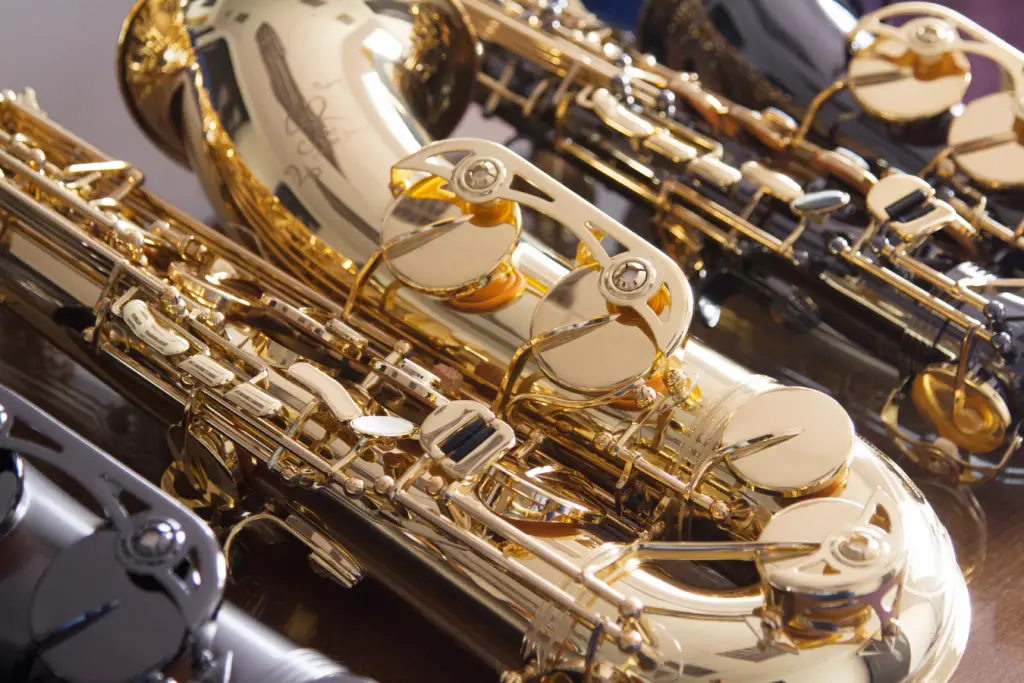
Saxophone players often encounter pad savers as accessories for their instruments. These long, brush-like devices are designed to be inserted into the saxophone’s body after playing. Their purpose is to absorb moisture and protect the delicate pads inside the instrument.
Pad savers are not recommended for regular use by most saxophone experts. While they may seem helpful, pad savers can potentially cause more harm than good. They can leave behind lint, trap moisture inside the instrument, and even damage pads if not used correctly.
Proper saxophone maintenance involves swabbing the instrument after each use to remove moisture. This method is generally more effective and safer for the instrument’s longevity. Understanding the pros and cons of pad savers can help saxophonists make informed decisions about their instrument care routine.
Understanding Saxophone Pad Savers
Saxophone pad savers are specialized tools designed to protect and maintain the pads of a saxophone. They serve a specific purpose but come with both advantages and potential drawbacks for saxophone players to consider.
Definition and Purpose
A pad saver is not a cleaning instrument, but rather a protective device for saxophone pads. Its primary function is to make cleaning the saxophone easier and to shield the pads from damage. After playing, musicians insert the pad saver into the saxophone body for 5-10 minutes.
This tool absorbs moisture from inside the instrument, helping to prevent pad deterioration. By wicking away excess moisture, pad savers aim to extend the life of saxophone pads and reduce maintenance needs.
Materials and Design
Pad savers typically consist of long, cylindrical bodies covered in soft, absorbent fibers. These fibers are designed to be gentle on the saxophone’s interior while effectively trapping moisture. However, the quality of materials can vary significantly between products.
Some pad savers may shed lint, which can accumulate inside the instrument. This potential issue depends on factors such as fiber strength, wear resistance, and attachment methods. Higher-quality pad savers use durable materials that minimize shedding and maximize moisture absorption.
Benefits of Using Pad Savers
Pad savers offer some advantages for saxophone players looking to maintain their instruments. These tools can help absorb moisture and provide protection for the delicate pads inside the saxophone.
Moisture Absorption
Pad savers are designed to absorb excess moisture from inside the saxophone after playing. This can help prevent water damage to the pads and body of the instrument.
The absorbent material wicks away saliva and condensation that accumulates during use. By removing this moisture quickly, pad savers may reduce the risk of mold or mildew growth inside the saxophone.
Some players find pad savers especially useful in humid climates where moisture is a persistent issue. The tool can be inserted for 5-10 minutes after playing to soak up residual dampness.
Pad Protection
Pad savers aim to shield saxophone pads from dust, debris, and potential damage when the instrument is stored. The soft fibers cover the pads and keys, creating a protective barrier.
This may help extend pad life by preventing particles from settling on the delicate surfaces. Pad savers can be particularly beneficial for saxophones that are stored for long periods between uses.
The cushioning effect of pad savers may also provide some protection against minor bumps or jostling during transport. However, they should not be relied upon as the sole means of protecting an instrument.
Debates around Pad Saver Usage
Saxophone players have differing opinions on the use of pad savers. Some swear by them for moisture absorption, while others warn of potential issues. The debate centers around effectiveness and proper usage techniques.
Potential Risks
Pad savers can pose risks if not used correctly. Leaving a pad saver inside the saxophone for extended periods may lead to dust accumulation and sticky pads. This can affect the instrument’s performance and longevity.
Moisture trapped in the pad saver can promote mold growth if not allowed to dry properly. Some players report that pad savers can cause scratches on the instrument’s interior if not inserted carefully.
There’s also concern that pad savers may give players a false sense of security, leading them to neglect proper cleaning techniques. Regular swabbing and maintenance are still crucial for saxophone care.
Alternatives to Pad Savers
Many saxophonists prefer traditional cleaning methods over pad savers. Swabs are a popular alternative, effectively removing moisture without the risks associated with pad savers.
Microfiber cloths are another option for wiping down the instrument’s exterior and keys. Some players use specialized drying materials like synthetic chamois to absorb moisture from hard-to-reach areas.
Regular maintenance routines, including proper storage and frequent cleaning, can eliminate the need for pad savers. Holding the saxophone by the bell and allowing it to air out before closing the case are simple yet effective practices.
Best Practices for Pad Saver Maintenance
Proper care and maintenance of saxophone pad savers are crucial for their effectiveness and longevity. Regular cleaning and proper storage help prevent moisture buildup and maintain hygiene.
Cleaning Methods for Pad Savers
Pad savers should be cleaned regularly to remove accumulated moisture and debris. Use warm water and mild soap to hand wash the pad saver. Gently squeeze and rinse thoroughly to remove all soap residue.
Avoid using harsh chemicals or machine washing, as these can damage the fibers. After washing, shake out excess water and allow the pad saver to air dry completely before use.
For quick cleaning between uses, gently tap the pad saver to remove loose debris. Periodically expose it to sunlight to naturally disinfect and eliminate odors.
Proper Storage and Handling
Store pad savers in a clean, dry area when not in use. Avoid leaving them inside the saxophone for extended periods, as this can trap moisture and promote mold growth.
Handle pad savers with clean hands to prevent introducing oils or dirt. When inserting or removing from the saxophone, be gentle to avoid damaging the instrument’s interior.
Replace pad savers annually or when they show signs of wear, such as matted fibers or persistent odors. Rotate between multiple pad savers to allow proper drying time between uses.