
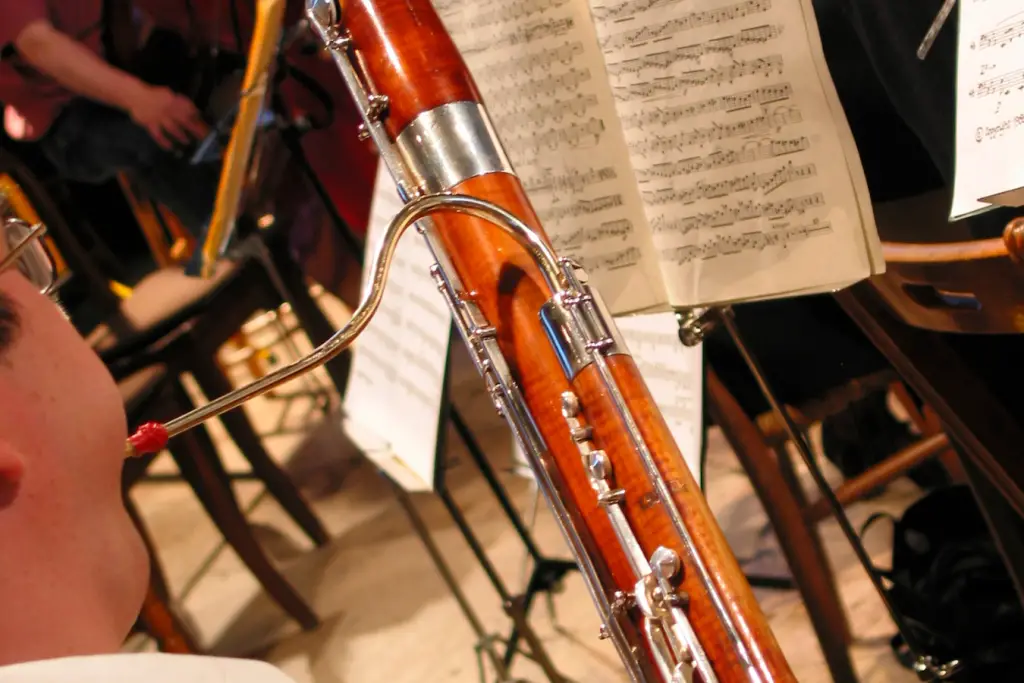
Warming up before playing the bassoon is essential for achieving the best tone, technique, and overall performance. A proper warm-up routine prepares your embouchure, fingers, and breath support, preventing strain and improving endurance. In this guide, we’ll explore why warming up matters and the best exercises to incorporate into your routine.
Why Warming Up is Important
A solid warm-up routine helps in several ways:
- Prepares muscles – Engages embouchure muscles and fingers to prevent strain.
- Enhances tone quality – Helps develop a rich, resonant sound.
- Improves breath control – Strengthens lung capacity and air support.
- Boosts technical accuracy – Helps fingers transition smoothly between notes.
- Reduces injury risk – Prevents unnecessary tension and strain.
Components of an Effective Warm-Up Routine
1. Breathing Exercises
Before playing, engage in deep breathing exercises to strengthen your breath control:
- Diaphragmatic breathing – Inhale deeply through the nose, expanding the diaphragm, then exhale slowly.
- Controlled exhalation – Blow out air steadily, as if sustaining a long note.
- Air bursts – Take quick, controlled breaths to simulate phrasing in music.
2. Long Tones
Playing long tones helps develop consistency in sound and breath support.
- Start on a comfortable note and hold it for 10–15 seconds.
- Focus on maintaining a steady tone with smooth air pressure.
- Gradually move through different registers, from low to high.
3. Embouchure Flexibility Exercises
Since bassoon requires a controlled yet flexible embouchure, warming it up properly is crucial.
- Play long tones while gradually bending the pitch up and down slightly.
- Try lip slurs by moving smoothly between harmonics without changing fingering.
- Experiment with dynamic changes (crescendo/decrescendo) on single notes.
4. Scales and Arpeggios
Scales and arpeggios improve dexterity and familiarize you with key signatures.
- Start with slow, full-range major and minor scales.
- Gradually increase speed while maintaining accuracy.
- Play broken arpeggios to reinforce hand coordination.
5. Articulation Drills
Clear articulation is essential for crisp attacks and note separation.
- Start with legato tonguing to build smoothness.
- Progress to staccato exercises, focusing on precision.
- Try different articulation patterns, such as double and triple tonguing.
6. Register Transitions
Moving between registers smoothly is crucial for fluid playing.
- Play slow slurs between the middle and upper registers.
- Work on octave jumps and flicking techniques for clean high notes.
- Strengthen control in the lower register with long tones and slow slurs.
Common Warm-Up Mistakes to Avoid
- Skipping breath exercises – Leads to poor breath support and tone instability.
- Starting too fast – Increases risk of mistakes and unnecessary tension.
- Ignoring embouchure work – Results in inconsistent tone production.
- Not incorporating different articulation types – Limits musical flexibility.
- Rushing into difficult passages – Can cause unnecessary frustration.
Adapting Warm-Ups for Different Skill Levels
For Beginners:
- Focus on breath support and long tones.
- Play slow, simple scales in familiar keys.
- Use easy articulation exercises to build precision.
For Intermediate Players:
- Expand scale and arpeggio practice to include accidentals.
- Work on register shifts and flicking techniques.
- Experiment with dynamics and tone color.
For Advanced Players:
- Add chromatic scales and wide interval leaps.
- Increase speed in articulation drills.
- Practice expressive phrasing within warm-up routines.
Conclusion
A structured warm-up routine is vital for any bassoonist, whether beginner or advanced. By incorporating breathing exercises, long tones, scales, articulation drills, and register transitions, you’ll build a strong foundation for better tone, control, and endurance. Taking just 10–15 minutes to warm up properly will lead to noticeable improvements in your playing and overall comfort with the instrument.