
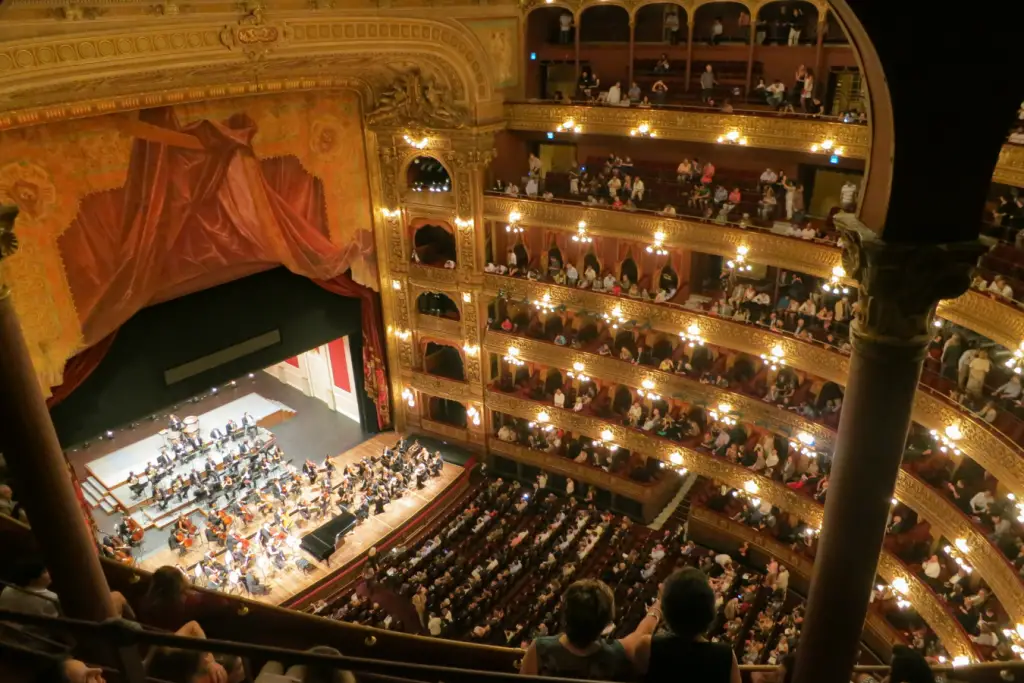
The bassoon is often considered the chameleon of the orchestra. It can be expressive, dramatic, playful, or haunting—making it a crucial instrument in opera. While it may not always take the spotlight, the bassoon plays a vital role in setting the mood, supporting vocalists, and enhancing dramatic storytelling.
In this article, we’ll explore:
✔ How the bassoon is used in opera
✔ Its unique tonal qualities and expressive power
✔ Famous opera moments featuring bassoon
✔ Why composers rely on it for emotional depth
1. Why Is the Bassoon Essential in Opera?
Opera is all about storytelling through music, and the bassoon serves multiple purposes:
A. Setting the Mood
✔ Its dark, warm tone makes it perfect for melancholic, eerie, or suspenseful moments.
✔ Can also sound playful, humorous, or even mischievous, depending on the scene.
B. Supporting Vocalists
✔ Provides harmonic and rhythmic support for singers.
✔ Blends with other woodwinds to create rich textures behind the voice.
C. Expressing Emotion
✔ Can mimic the human voice, making it perfect for sad, dramatic, or comical moments.
✔ Often used for lamenting characters, sorrowful solos, or comic relief.
D. Bridging Musical Themes
✔ Connects different sections of the opera with melodic interjections.
✔ Helps transition between moods seamlessly.
2. The Bassoon’s Unique Sound in Opera
The bassoon has an incredibly wide range of tones, making it adaptable for various characters and scenes:
🔹 Dark and haunting – Often used in tragic or eerie moments.
🔹 Warm and lyrical – Ideal for sorrowful, expressive passages.
🔹 Playful and humorous – Perfect for comedic or mischievous roles.
🔹 Dramatic and intense – Used to highlight moments of tension.
How It Compares to Other Instruments in Opera
| Instrument | Typical Role in Opera |
|---|---|
| Violin | Provides lyrical and soaring melodies. |
| Trumpet | Adds grandeur, fanfare, and excitement. |
| Clarinet | Can be sweet, mysterious, or expressive. |
| Bassoon | Offers depth, humor, sadness, and drama. |
Because of this tonal flexibility, composers love using the bassoon to shape the opera’s atmosphere.
3. Famous Opera Moments Featuring Bassoon
Many legendary composers have featured the bassoon in their operas. Here are a few standout moments:
A. Mozart – “The Marriage of Figaro”
✔ The bassoon adds playfulness and charm to this comedic opera.
✔ It often supports the woodwinds in light, dancing passages.
B. Rossini – “The Barber of Seville”
✔ Known for its fast, energetic bassoon lines.
✔ The bassoon plays a role in comic interactions, especially in rapid passages.
C. Wagner – “The Flying Dutchman”
✔ Uses the bassoon’s deep, brooding quality to represent mystery and fate.
✔ Helps create tension and dark textures in the orchestration.
D. Verdi – “La Traviata”
✔ Features lyrical bassoon solos that express sorrow and longing.
✔ The instrument’s warm tone blends beautifully with the strings and vocals.
E. Puccini – “Tosca”
✔ The bassoon contributes to the rich, emotional orchestration.
✔ Helps convey drama and tragedy in the opera’s intense scenes.
These examples highlight how the bassoon is more than just a background instrument—it plays a key role in shaping opera’s emotional power.
4. How Composers Use the Bassoon in Opera
Different composers use the bassoon in unique ways. Here’s how it’s been featured across different opera styles:
A. Classical Era (Mozart, Haydn)
✔ Used for elegant, refined melodies.
✔ Often played light, humorous passages in comic operas.
B. Romantic Era (Verdi, Wagner, Puccini)
✔ Became more emotional and dramatic.
✔ Used for deep, sorrowful solos and intense orchestration.
C. Modern and Contemporary Opera
✔ Expanded to more expressive, experimental uses.
✔ Often features extended techniques like flutter tonguing or multiphonics.
Each era expanded the role of the bassoon, making it more expressive and versatile in opera.
5. Why the Bassoon’s Role in Opera Is Irreplaceable
The bassoon is not just a supporting instrument—it plays a crucial role in opera orchestration.
A. Its Expressive Power
✔ Few instruments can match its ability to convey deep emotions.
✔ Perfect for tragic, comic, and mysterious moments.
B. Its Tonal Versatility
✔ Works well alone or blended with other instruments.
✔ Can shift from lyrical and soft to booming and powerful.
C. Its Connection to Character and Drama
✔ The bassoon can represent characters musically.
✔ Often used for old, wise figures, comedic roles, or melancholic moments.
Composers intentionally write bassoon parts to shape an opera’s emotional impact, making it a vital part of any opera orchestra.
Conclusion: The Bassoon’s Lasting Importance in Opera
The bassoon’s role in opera is irreplaceable. It provides:
🎭 Emotional depth – From sorrow to humor.
🎼 Musical richness – Supporting singers and shaping orchestration.
🔹 Dramatic impact – Adding intensity, mystery, or playfulness.
From Mozart’s witty operas to Wagner’s epic scores, the bassoon has played a critical role in shaping opera history. Whether as a solo voice or blending into the orchestra, it continues to be a powerful force in storytelling.
So next time you listen to an opera, pay close attention—you just might hear the bassoon bringing the drama to life!