
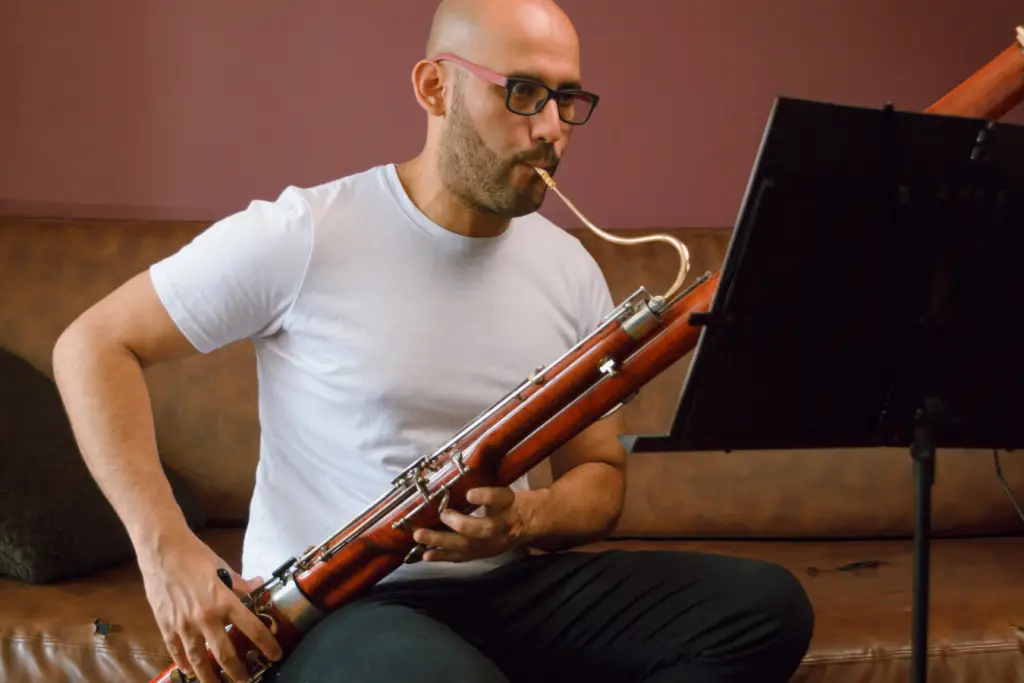
Playing fast passages on the bassoon can be a daunting task, especially for those still mastering the instrument’s complex fingering system. However, with the right techniques and strategies, bassoonists can develop speed, accuracy, and fluidity in their playing. This guide will provide essential tips for improving technical agility and making fast passages more manageable.
1. Focus on Proper Finger Technique
A solid foundation in finger technique is crucial for playing fast passages efficiently. Some key considerations include:
- Minimize Finger Movement: Keep fingers close to the keys to reduce unnecessary motion.
- Use Efficient Fingerings: Learn alternate and auxiliary fingerings to facilitate smoother transitions.
- Relax Your Hands: Tension in the fingers can slow down movement. Keep a light and flexible touch.
- Coordinate Both Hands: Ensure that both hands move in sync, especially during complex passages.
2. Slow Practice First
Speed comes with precision, and precision comes with slow, deliberate practice. To improve fast passages:
- Start at a Slow Tempo: Use a metronome to practice difficult sections at a comfortable speed.
- Focus on Clean Transitions: Avoid rushing by ensuring each note is articulated clearly.
- Gradually Increase Tempo: Raise the speed incrementally only when accuracy is maintained.
- Use Rhythmic Variations: Practice with different rhythmic groupings (e.g., dotted rhythms) to improve finger coordination.
3. Develop Finger Independence
Some fast passages require rapid movement of individual fingers. Exercises to improve finger independence include:
- Trill Exercises: Practice trilling between two notes to improve agility.
- Scale and Arpeggio Drills: Play these patterns regularly to strengthen muscle memory.
- Isolated Finger Movements: Work on moving one finger at a time while keeping others still.
4. Optimize Breath Support and Airflow
Fast passages require a steady and controlled air supply. Key breathing strategies include:
- Support with the Diaphragm: Ensure a steady air stream to maintain an even tone.
- Use Circular Breathing (Advanced Players): Helps sustain long phrases without interruption.
- Avoid Overblowing: Overcompensating with air can lead to a harsh, uncontrolled sound.
5. Improve Tonguing Speed and Articulation
Fast passages often require rapid articulation. To enhance tonguing speed:
- Use Light Tonguing: Keep the tongue relaxed to prevent fatigue.
- Double and Triple Tonguing: Learn these advanced techniques for rapid articulation.
- Match Tonguing with Fingers: Coordinate finger movement with articulation for clarity.
6. Use Mental Practice Techniques
Mental preparation can improve execution even before physically playing a passage.
- Visualize Fingerings: Mentally run through the passage without the instrument.
- Hear the Passage Internally: Develop an aural image of how it should sound.
- Practice Without the Bassoon: Tap finger patterns on a table to reinforce movement.
7. Isolate and Drill Trouble Spots
Difficult passages should be tackled methodically.
- Break Down into Small Sections: Work on two to four notes at a time.
- Loop Short Segments: Repeat difficult parts until smooth.
- Use Backward Practice: Start from the last note and work backward.
8. Strengthen Overall Technique with Etudes and Repertoire
Technical studies help reinforce agility and speed.
- Play Etudes Focused on Speed: Studies by Milde, Weissenborn, and Oubradous are excellent choices.
- Work on Fast Orchestral Excerpts: Passages from Stravinsky’s “The Rite of Spring” or Tchaikovsky’s symphonies challenge speed and control.
Conclusion: Mastering Speed Takes Time
Playing fast passages on the bassoon requires patience, deliberate practice, and consistent technique-building. By incorporating slow practice, finger independence exercises, breath control, and mental preparation, bassoonists can develop the agility needed to perform with confidence and clarity. With dedication, even the most daunting fast passages can become effortless and expressive.