
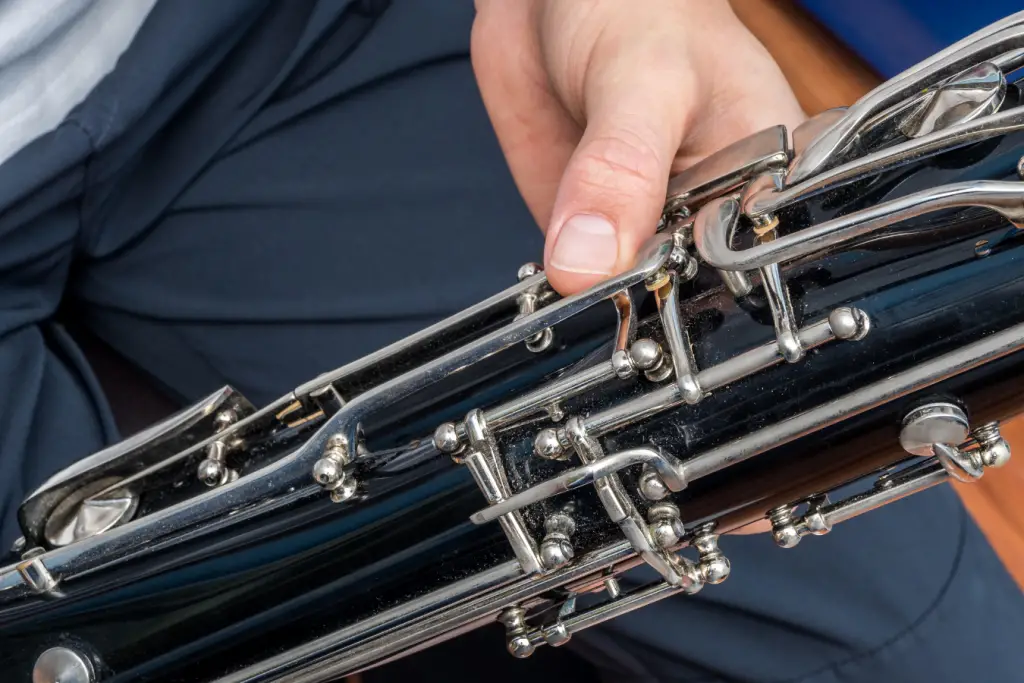
Learning the bassoon on your own may seem daunting at first, given its complexity and the intricacies of its sound. However, with the right approach, self-discipline, and dedication, it’s entirely possible to develop your skills without formal instruction. This article will guide you through the essential steps for getting started on your bassoon journey, providing tips and resources to help you succeed.
1. Why Learn Bassoon on Your Own?
Learning the bassoon independently can be a rewarding experience. Many musicians have successfully taught themselves instruments, and with bassoon’s unique characteristics, self-teaching can deepen your personal connection to the music.
Benefits of Learning Bassoon Independently:
- Flexibility: Learn at your own pace without being bound by a set schedule or external expectations.
- Cost-effective: Save money on private lessons or formal programs.
- Personalized learning: Focus on the areas that interest you the most, whether it’s mastering a particular piece, technique, or style.
2. Setting Yourself Up for Success
Before diving into the technicalities of playing, it’s important to prepare yourself physically and mentally for the journey ahead.
Essential Gear:
To begin, you will need the following equipment:
- Bassoon: If you don’t already have a bassoon, consider purchasing or renting one. A good quality instrument is crucial, so try to find one in good condition within your budget. Rental options are also available if you’re unsure about committing.
- Reeds: Bassoon reeds are essential for producing sound. You can either purchase pre-made reeds or learn to make your own. Pre-made reeds are a good option for beginners.
- Bassoon Stand: A bassoon stand allows you to hold the instrument comfortably while you practice.
- Tuning Fork: Since tuning is critical, having a tuning fork or tuning app can help ensure your bassoon is in pitch.
- Music Stand: A sturdy stand to hold your sheet music will help you practice more effectively.
Setting Goals:
Start by setting clear, achievable goals for your bassoon learning process. Your goals might include:
- Learning to assemble and disassemble the bassoon properly.
- Mastering basic scales and exercises.
- Learning specific pieces or methods.
- Improving intonation and breath control.
3. Learning the Basics
The first steps in learning bassoon are mastering the fundamental techniques of playing the instrument. Focus on the following areas:
Assembling the Bassoon
- Proper Assembly: Ensure that you’re familiar with how to assemble and disassemble your bassoon carefully. This is an essential skill to avoid damaging the instrument and to make your playing process smoother.
- Parts of the Bassoon: Learn the names and functions of the different parts of the bassoon (bell, boot, joint, bocal, and reed).
Posture and Hand Position
- Correct Posture: Good posture is vital for playing comfortably and avoiding injury. Sit up straight with your feet flat on the floor and your knees at a 90-degree angle.
- Hand Position: Your left hand should handle the uppermost keys, and your right hand will manage the lower keys. Keep your fingers relaxed and curved to ensure fluid motion when pressing the keys.
Producing Sound
- Reed Placement: Place the reed on the bocal and ensure it is firmly attached. The reed is responsible for generating sound, so proper placement is essential.
- Breathing: Proper breath support is key to producing a strong, steady sound. Work on breathing from your diaphragm and using steady air pressure while playing.
- Embouchure: Your embouchure is the way you position your mouth on the reed. It’s important to create a balanced, relaxed embouchure that allows for consistent airflow and control. Start by experimenting with the reed in your mouth without playing any notes to find the best position.
First Notes
- Learn the Fingerings: Begin by learning the basic fingerings for the most common notes. Use fingering charts to help guide you as you practice.
- Long Tones: Practice holding long, steady notes to build your control and help your embouchure develop. Start with simple notes like “B-flat” and work on producing even, controlled sounds.
- Pitch Awareness: Pay attention to the pitch of your notes, and use a tuner to make sure you’re staying in tune.
4. Developing Technique
Once you’ve gotten the basics down, it’s time to move on to developing your technical skills.
Scales and Arpeggios
- Scales: Start by learning major and minor scales. These are the foundation for most music you’ll play, and practicing them helps improve intonation, finger dexterity, and muscle memory.
- Arpeggios: Practice arpeggios (broken chords) to develop your finger technique. These will also help with sight-reading skills as you encounter them in music.
Articulation
- Staccato and Legato: Practice playing both staccato (short, detached notes) and legato (smooth, connected notes) to develop your articulation.
- Tonguing: Learn the proper technique for tonguing. This is crucial for articulation, especially in faster passages. Practice starting notes with your tongue gently touching the reed.
Breath Control
- Breathing Exercises: Work on breathing exercises that improve your air capacity and control. This will help you play longer phrases without running out of air.
- Dynamic Control: Practice playing with a range of dynamics (soft, loud, crescendo, decrescendo) to develop control over your sound.
5. Learning Music Theory
Understanding music theory is essential for becoming a proficient musician. While you can learn bassoon techniques without deep music theory knowledge, understanding the fundamentals of music can enhance your ability to learn and play more complex pieces.
Key Concepts to Learn:
- Note Reading: Learn to read bass clef, which is primarily used for bassoon music. Start with basic note reading and gradually move to more advanced pieces.
- Rhythm and Time Signatures: Familiarize yourself with basic rhythms, time signatures, and how they impact your playing.
- Intervals and Chords: Understanding intervals (distances between notes) and chords will help you interpret the music more effectively.
6. Using Online Resources and Books
When learning bassoon on your own, using a variety of resources is essential for comprehensive growth. Here are some valuable tools:
Books and Method Books
- “The Bassoon Reed Book” by Frank P. Pappalardo is great for understanding reed-making and care.
- “The Bassoon Manual” by David L. H. McGill provides a thorough guide to technique and exercises.
- Method books for beginners, like those by Sanford Reinecke or Pietro F. M offer exercises and repertoire that progressively increase in difficulty.
Online Tutorials and Videos
- Many professional bassoonists share tutorials on YouTube, offering tips on technique, reed-making, and playing styles.
- Websites like PlayBassoon offer helpful video lessons and exercises for all skill levels.
Practice Apps
- Use apps like Tonara and Tenuto to help with ear training, sight-reading, and scale practice.
7. Staying Motivated
Learning bassoon on your own requires persistence, and it’s easy to lose motivation at times. Here are some tips to stay on track:
- Set Small, Achievable Goals: Break down larger tasks into smaller chunks to make progress feel more tangible.
- Celebrate Progress: Reward yourself when you reach milestones, whether it’s learning a new piece or mastering a difficult technique.
- Join Online Communities: Engage with other bassoon players online. Participating in forums or social media groups can offer encouragement and advice.
8. Seeking Feedback
While you may be learning independently, it’s essential to get feedback periodically. Here are some ways to do this:
- Record Yourself: Listening to recordings of your playing can help you hear things that you may not notice while playing.
- Take Occasional Lessons: Even if you’re learning on your own, it can be beneficial to take a lesson once in a while to get expert advice and refine your technique.
- Attend Bassoon Workshops: Look for workshops or masterclasses to receive feedback from professional bassoonists and interact with other learners.
Conclusion
Learning bassoon on your own is a challenging but fulfilling endeavor. With the right approach, dedication, and resources, you can build your skills and enjoy playing this unique and beautiful instrument. By setting clear goals, using various learning resources, and regularly practicing your technique, you can make steady progress and become a skilled bassoonist, all while enjoying the process.