
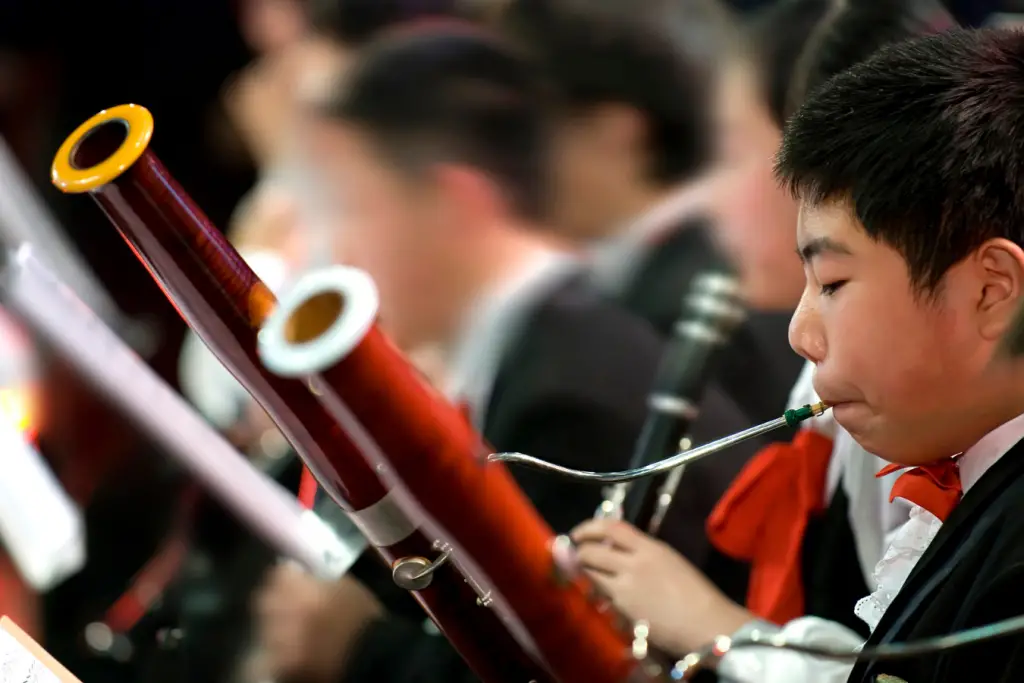
Breath control is a crucial aspect of playing any wind instrument, and the bassoon is no exception. As a double-reed instrument, the bassoon requires a steady stream of air to produce its rich, warm sound, and mastering breath control is essential for both tone quality and technical skill. In this article, we’ll explore how to improve breath control on the bassoon, break down key techniques, and provide practical tips for bassoonists of all skill levels.
Understanding Breath Control and Its Importance
Before diving into specific techniques, it’s important to understand why breath control is so crucial on the bassoon.
- Tone Quality: Breath control directly impacts the clarity, fullness, and richness of the sound. Without steady, controlled airflow, the sound may become thin or inconsistent.
- Stamina: Bassoonists often need to hold long, sustained notes or phrases. Having strong breath control allows you to maintain consistent sound throughout these passages without running out of air prematurely.
- Pitch and Intonation: Unstable breath control can cause the pitch to fluctuate or become flat, negatively affecting intonation. Consistent airflow is key to maintaining accurate pitch.
Fundamentals of Proper Breathing for Bassoonists
The foundation of good breath control lies in proper breathing techniques. Here are the key principles to keep in mind:
1. Diaphragmatic Breathing
- What It Is: Diaphragmatic breathing, or “belly breathing,” involves using the diaphragm (the muscle located just below your rib cage) to pull air into your lungs. This type of breathing allows you to take in a deeper breath and control the flow of air more effectively.
- How to Do It:
- Place one hand on your stomach and the other on your chest.
- Inhale deeply through your nose, allowing your stomach to expand as you fill your lungs with air.
- Exhale slowly and steadily through your mouth, keeping your chest relatively still while your stomach contracts.
- Why It Helps: Diaphragmatic breathing allows for better control over your air supply and enables you to take in more air at once, helping you sustain long notes or phrases.
2. Relaxation
- What It Is: Tension can interfere with your breath control, so it’s essential to stay relaxed while breathing.
- How to Do It:
- Take a few moments before playing to release any tension in your neck, shoulders, or abdomen.
- Focus on staying relaxed through your entire body as you breathe in and out.
- Why It Helps: Relaxation ensures that the air flows smoothly through your body and into the bassoon without unnecessary resistance. Tension in the body can create unsteady airflow and affect tone quality.
Developing Breath Support
Once you understand proper breathing mechanics, it’s time to focus on developing breath support. Breath support is the ability to maintain a steady, controlled airflow throughout a musical passage, regardless of the length or difficulty of the phrase.
1. Expanding Your Lung Capacity
- What It Is: Having good breath support means not only controlling your air but also having enough air to carry you through longer phrases or faster passages.
- How to Do It:
- Practice breathing exercises that expand your lung capacity, such as inhaling for a count of 4, holding for 4, and exhaling for 4. Gradually increase the counts as you improve.
- Practice breathing in deeply and exhaling slowly to maximize your lung capacity.
- Why It Helps: The more air you can take in, the more support you’ll have for longer musical phrases. Increased lung capacity also helps you maintain more control over your airflow.
2. Engage Your Core Muscles
- What It Is: Your abdominal muscles, along with your diaphragm, play a key role in providing breath support. Engaging your core muscles helps control the release of air, preventing it from rushing out too quickly.
- How to Do It:
- When you inhale, think about filling your lungs from the bottom up—first expanding your lower abdomen and then your chest.
- As you exhale, focus on gently squeezing your abdominal muscles to control the air and prevent it from escaping too rapidly.
- Why It Helps: Engaging your core allows you to control the air supply more effectively, helping you maintain a steady tone throughout long or challenging phrases.
Breath Control Exercises for Bassoonists
To improve your breath control, consistent practice is key. Here are some exercises that can help you develop better breath support and airflow.
1. Long Tones
- What It Is: Long tones involve playing a single note for as long as possible while maintaining a steady, even sound.
- How to Do It:
- Choose a note within your comfortable range (usually a middle-range note).
- Take a deep breath and begin playing the note with a smooth, steady attack.
- Sustain the note as long as possible, making sure your tone remains even and consistent throughout.
- Gradually increase the length of time you can hold the note while maintaining control over the sound.
- Why It Helps: Long tones are one of the best ways to build breath control. They force you to focus on sustaining a steady, even stream of air, which strengthens both your lungs and your air management skills.
2. Controlled Breathing Exercises
- What It Is: These exercises focus on controlling both your inhalation and exhalation, which helps to develop consistent breath control.
- How to Do It:
- Practice inhaling for a count of 4, holding for a count of 4, and exhaling for a count of 4. Gradually increase the length of each phase as you progress.
- Alternatively, try exhaling over a longer period (e.g., for 8 or 12 counts) to strengthen your ability to control the release of air.
- Why It Helps: Controlled breathing exercises help improve your lung capacity, stability, and ability to maintain a steady air supply while playing.
3. Staccato and Legato Exercises
- What It Is: These exercises involve practicing short, quick bursts of air (staccato) and smooth, continuous air flow (legato). Both types of articulation require different approaches to breath control.
- How to Do It:
- Practice staccato exercises by playing short, clipped notes while maintaining steady air pressure. Focus on controlling your exhalation and making sure each note has a clear, distinct beginning and ending.
- For legato exercises, practice playing long, connected notes with smooth transitions between each note, focusing on maintaining an even, consistent airflow.
- Why It Helps: These exercises help develop your ability to control both short and long bursts of air, which is crucial for playing a variety of musical passages with the correct articulation and phrasing.
Breathing Strategies for Bassoon Repertoire
Different pieces of music may require different approaches to breath control. Here are some strategies to help you manage your air supply in specific musical contexts.
1. Handling Long Phrases
- Strategy: Plan your breaths ahead of time. Look for natural breaks in the music where you can take a quick, controlled breath without interrupting the phrasing.
- Tip: Use the “silent breath” technique: taking a breath without making a noticeable sound or disrupting the musical flow.
2. Playing Rapid Passages
- Strategy: Focus on efficient air use by engaging your diaphragm and taking shorter, quicker breaths when necessary.
- Tip: Practice rapid passages slowly at first, focusing on even air distribution and gradually increasing speed while maintaining breath control.
Common Mistakes to Avoid
When working on breath control, it’s important to avoid certain pitfalls that can undermine your progress.
- 1. Shallow Breathing: Breathing only from your chest results in shallow breaths, leading to early exhaustion and less control over air flow.
- 2. Tension in the Body: Tension in your neck, shoulders, or diaphragm can limit airflow and make it harder to control your breath.
- 3. Inconsistent Air Pressure: Allowing air to rush out too quickly or cutting off the airflow too early can negatively affect your tone and pitch.
Conclusion
Improving breath control on the bassoon takes time, patience, and consistent practice. By focusing on proper breathing techniques, developing your core support, and practicing specific exercises, you can strengthen your breath control and achieve better tone quality, stamina, and overall performance. With dedication and the right strategies, your breath control will become an essential tool for mastering the bassoon and tackling more challenging musical repertoire.