
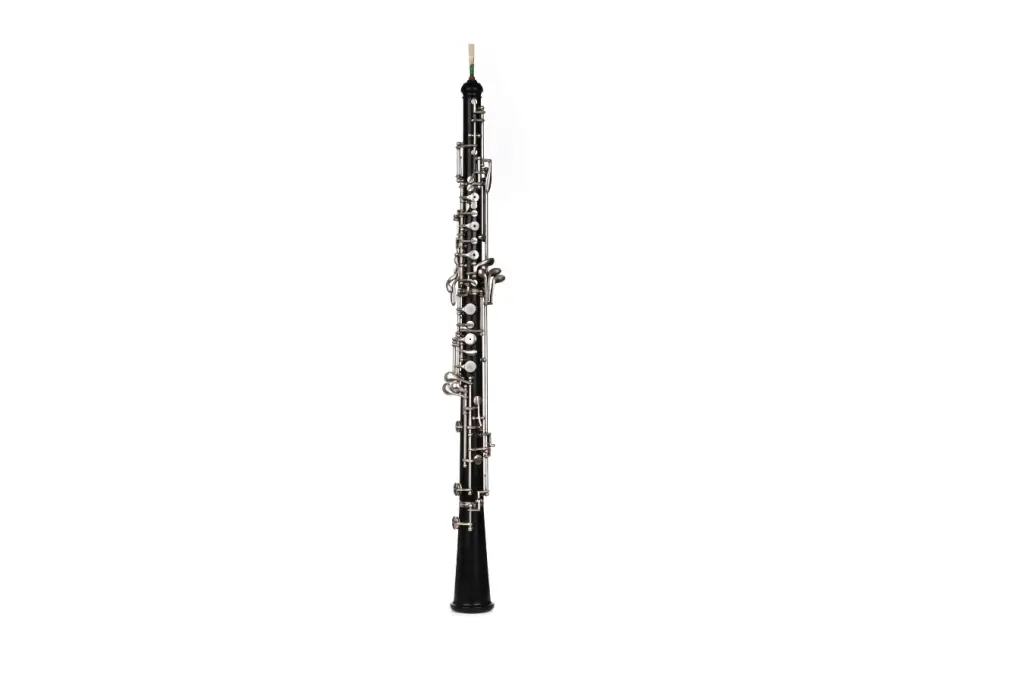
Aspiring oboists often wonder about the cost of their first instrument. Oboes come in various price ranges, catering to different skill levels and budgets. For beginners, the investment can be significant but worthwhile for those committed to learning this unique woodwind instrument.
The cost of a beginner oboe typically ranges from $1,000 to $3,000. This price range reflects new instruments designed specifically for students and novice players. Factors influencing the cost include the materials used, the manufacturer’s reputation, and the instrument’s features.
When considering an oboe purchase, it’s important to balance quality and affordability. Student oboes offer a good starting point, providing the necessary features for learning without the hefty price tag of professional models. Some popular beginner options include the Yamaha Standard Oboe and the Howarth Jr. oboe, which can be suitable choices for young players or those just starting their musical journey.
Understanding Oboe Types
Oboes come in several types designed for different skill levels and playing contexts. The three main categories are student, intermediate, and professional models.
Student oboes are designed for beginners and typically have fewer keys and simpler mechanisms. They are often made from durable materials like plastic resin to withstand the handling of new players.
Intermediate oboes offer more advanced features and better sound quality. These instruments are suitable for progressing students and amateur players who have mastered the basics.
Professional oboes are crafted from high-quality materials, usually fine hardwoods like grenadilla. They provide superior tone, intonation, and responsiveness for experienced players and professional musicians.
Some key differences between oboe types include:
- Materials used (plastic, wood, or composite)
- Number and arrangement of keys
- Quality of craftsmanship
- Tonal characteristics
Plastic oboes can be found across all skill levels, from beginner to professional models. The quality of a plastic oboe depends more on its overall construction and design than the material itself.
When choosing an oboe, players should consider their skill level, budget, and long-term goals. Many beginners start with a student model before progressing to more advanced instruments as their abilities improve.
Factors Influencing Oboe Prices
The cost of a beginner oboe can vary significantly based on several key factors. Material quality plays a crucial role in determining price. Oboes made from synthetic materials or lower-quality wood tend to be more affordable for beginners.
Key system complexity also impacts cost. Simpler key arrangements are typically found on less expensive models, while more intricate systems raise the price.
Brand reputation influences pricing as well. Established manufacturers with a history of producing quality instruments often command higher prices for their beginner models.
The level of craftsmanship involved in production affects cost. Hand-crafted oboes or those with more detailed finishing work are generally pricier than mass-produced versions.
New vs. used status is another important factor. Used oboes can offer significant savings, sometimes costing 30-50% less than new instruments of similar quality.
Additional features like silver-plated keys or special finishes can increase the price. These extras may enhance the instrument’s appearance or durability but aren’t always necessary for beginners.
Retailer markup and location can affect final prices. Online stores may offer lower prices than brick-and-mortar shops due to reduced overhead costs.
Price Ranges for Beginner Oboes
Beginner oboes typically fall within a specific price range, catering to students and those new to the instrument. Prices for student-level oboes generally range from $1,000 to $3,000, depending on various factors such as brand, materials, and features.
The lower end of this range often includes plastic or resin oboes. These instruments are durable and suitable for beginners learning proper handling and maintenance.
Used beginner oboes can cost between $300 and $500, offering a more affordable option for those just starting out. However, it’s important to have a used instrument inspected by a professional to ensure it’s in good playing condition.
Some key features of beginner oboes include:
- Simplified key work
- Absence of certain advanced keys (e.g., left F key, low Bb key)
- Durable materials like plastic or composite wood
Intermediate oboes may range from $2,000 to $3,500, overlapping with higher-end beginner models. These instruments often offer improved sound quality and additional features.
When considering a beginner oboe purchase, it’s advisable to consult with a music teacher or experienced player. They can provide valuable insights into selecting an instrument that balances quality and affordability for a new player’s needs.
Renting vs. Buying an Oboe
Renting an oboe offers several advantages for beginners. The cost is typically lower upfront, ranging from $40 to $150 per month depending on the instrument quality. This allows new players to try the instrument without a significant financial commitment.
Renting also provides flexibility. If a student loses interest or wants to switch instruments, they can easily return the oboe without being stuck with an expensive purchase.
Buying an oboe, on the other hand, can be a substantial investment. New beginner oboes may cost $1,500 to $2,500, while used professional models can range from $3,000 to $6,000.
Purchasing becomes more cost-effective for committed players in the long run. It allows students to develop a consistent relationship with their instrument and may provide better quality than rental options.
For those unsure about their commitment, renting for a few months before buying is often recommended. This approach lets players gain experience and make an informed decision about investing in their own instrument.
Essential Accessories for Oboes
A swab is one of the most crucial accessories for oboe players. It helps keep the instrument clean and dry after use. Cotton or silk swabs are recommended, with many designed as “pull through” swabs for thorough cleaning.
Reeds are another vital accessory. Beginner players often start with student intermediate reeds, which are easier to produce sound with and more cost-effective. Medium soft strength is typically suitable for most students.
A reed case is essential for protecting and storing reeds. It helps maintain their shape and protects them from damage.
Cork grease is necessary for lubricating the joints of the oboe, ensuring smooth assembly and disassembly while protecting the cork.
A music stand is important for holding sheet music during practice and performances. Portable stands are convenient for traveling musicians.
An oboe stand provides a safe place to rest the instrument during breaks, reducing the risk of accidental damage.
Lastly, a metronome helps players maintain steady rhythm and improve their timing. Many digital options are available, including smartphone apps.
Where to Purchase a Beginner Oboe
Beginner oboes can be found at various retailers, both online and in physical stores. Music shops specializing in wind instruments often stock a selection of student oboes.
Large online retailers like Amazon and eBay offer beginner oboes, but buyers should exercise caution and research thoroughly before purchasing.
Dedicated instrument websites like Midwest Musical Imports provide a wide range of options and expert guidance for selecting the right oboe.
Local music stores can be excellent resources, allowing customers to try instruments before buying. They may also offer rental programs, which can be cost-effective for new players.
Some reputable oboe manufacturers sell directly to consumers through their websites, ensuring authenticity and quality.
School music programs sometimes partner with instrument suppliers, offering discounts to students. It’s worth checking with music teachers for potential deals.
When considering where to buy, factors to weigh include:
- Price
- Warranty options
- Return policies
- Customer support
- Instrument quality
Beginner oboes typically cost between $1,000 and $3,000, depending on the brand and materials used. Buyers should compare prices across multiple retailers to find the best value.
Tips for Selecting Your First Oboe
When choosing a beginner oboe, consider renting before buying. Renting allows students to try the instrument without a large financial commitment and may cost as little as $50 per month.
Beginners should focus on plastic or resin oboes. These instruments are more durable and less sensitive to temperature changes than wooden oboes.
Consider the player’s physical size when selecting an oboe. Smaller players may benefit from lightweight models designed for beginners.
Look for oboes with simplified key systems. These are easier for new players to handle and maintain.
Consult with an oboe teacher or experienced player before making a purchase. They can provide valuable insights on suitable models for beginners.
When buying, choose a reputable dealer who offers quality instruments and good customer service. Many dealers allow trial periods to ensure the oboe is a good fit.
Consider factors such as the oboe’s material, age, mechanical condition, and resale value when making a selection.
Be prepared to invest in proper maintenance tools and regular servicing to keep the oboe in good playing condition.
Maintaining Your Oboe
Proper maintenance is crucial for keeping a beginner oboe in good condition. Regular cleaning after each use helps prevent buildup of moisture and debris. Players should swab the instrument’s bore and wipe down the keys.
Oiling the wood occasionally prevents cracking in wooden oboes. Apply a thin layer of bore oil every few months, following the manufacturer’s instructions.
Key mechanisms require periodic oiling to stay smooth. A small drop of key oil on moving parts keeps them functioning properly.
Storing the oboe correctly is essential. Keep it in its case when not in use, away from extreme temperatures and humidity. Avoid leaving it in cars or near heating vents.
Reed care is also important. Rinse reeds after playing and store them in a reed case. Replace them regularly as they wear out.
Professional servicing is recommended annually. A technician can address any developing issues and ensure optimal performance.
By following these maintenance practices, beginners can extend the life of their oboe and maintain its sound quality. Proper care also helps protect the investment in this complex and expensive instrument.
Potential Additional Costs
When purchasing a beginner oboe, it’s important to consider additional expenses beyond the instrument itself. These costs can significantly impact the total investment.
Reed purchases are a recurring expense for oboe players. Reeds typically cost between $15 to $30 each, and beginners may need to replace them frequently as they learn proper playing techniques.
A case is essential for protecting the oboe. While some instruments come with a basic case, upgrading to a higher-quality one can provide better protection. Prices for cases range from $100 to $500.
Regular maintenance is crucial for keeping the oboe in good condition. This includes:
- Cleaning supplies (swabs, cloths)
- Cork grease
- Key oil
These items usually cost between $30 to $50 in total.
Lessons are highly recommended for beginners. Private instruction can range from $30 to $100 per hour, depending on the teacher’s experience and location.
Accessories like music stands, metronomes, and tuners are also necessary for practice. These can add another $50 to $150 to the initial setup costs.
Insurance is worth considering to protect the investment. Annual premiums typically cost 1-3% of the instrument’s value.