
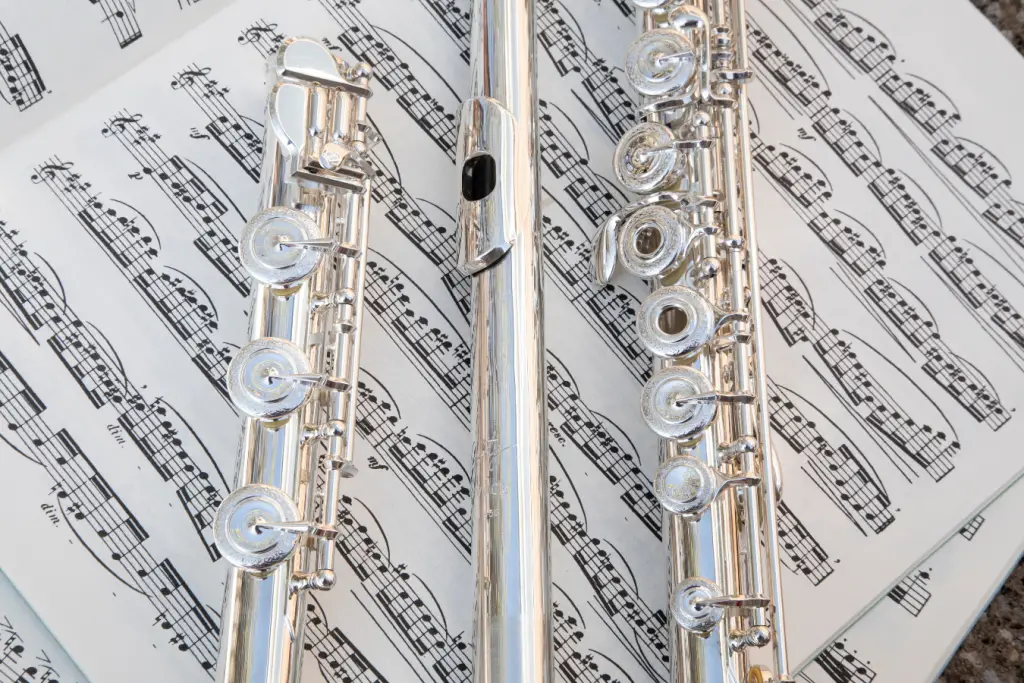
Flutes have captivated audiences for centuries with their enchanting sound and versatile range. As a member of the woodwind instrument family, the flute has evolved into a diverse array of types used by different cultures worldwide. There are over 20 distinct types of flutes, each offering unique characteristics and sounds. This diversity includes everything from the widely recognized concert flute to more exotic varieties like the Dizi and the Bansuri.
While the concert flute is widely used in Western music, many other flutes have their own rich history and cultural significance. For example, the bamboo flutes of China, such as the Dizi, offer a distinctive timbre cherished in traditional music. The bansuri, integral to Indian classical music, showcases the versatility of bamboo flutes.
This vast selection makes the flute family especially fascinating for both musicians and listeners. Each type of flute offers distinct tonal properties and playing techniques, allowing musicians to explore a wide range of musical styles. Whether it’s the soothing sounds of the ocarina from Zelda-inspired melodies or the powerful notes of a piccolo in an orchestra, the world of flutes offers an incredible exploration of sound and culture.
Understanding the Flute Family
The flute family is a diverse ensemble of instruments that have evolved over time to include various designs and styles. Each type of flute has unique features influenced by its cultural, historical, and musical context.
Historical Development of Flutes
Flutes are among the oldest known woodwind instruments, dating back thousands of years. They have evolved from primitive wooden flutes to sophisticated modern instruments. A key figure in this evolution is Theobald Boehm, whose 19th-century design revolutionized the flute with its cylindrical bore and improved key system. This design enhanced intonation and range, allowing for greater expressiveness in classical and chamber music. Earlier flutes, like the baroque flute, were typically made of wood and played a crucial role in the music of their time, providing a softer, more mellow sound than modern metal flutes.
Flute Types by Musical Genre
Flutes are central to a wide array of musical styles, each demanding different types of flutes. In classical music, the concert flute is predominant, known for its bright and clear tone. Chamber music often uses smaller flutes like the piccolo for higher pitches. In contrast, folk music incorporates various styles such as the Irish flute and the Native American flute, typically made from wood or bamboo. These instruments offer unique timbres suited to the traditional sounds of their origins. Jazz and other contemporary genres sometimes feature flutes for their versatility, integrating both classical and folk elements.
Cultural Variations in Flute Design
Flutes have diverse designs reflecting the cultures they originate from. The bansuri from India, a bamboo flute, is integral to Indian classical and folk music, celebrated for its soulful and expressive sound. The Japanese flute, known as the shakuhachi, and the Korean flute, or daegeum, both play vital roles in their respective traditional music scenes. The Chinese dizi, with its distinct membrane, adds a unique buzzing quality to its sound. These variations demonstrate the flute’s adaptability and its integral role in the music of different cultures, highlighting the instrument’s ability to convey a wide range of emotions and musical expressions across global traditions.
Common Types of Western Concert Flutes
Western concert flutes come in various sizes and pitches, each designed for specific musical roles and ranges. The most common ones include instruments that range from the high-pitched piccolo to the rich-sounding bass and contrabass flutes.
Soprano Range Flutes
In the soprano range, the piccolo is one of the most recognized flutes, notable for its high pitch. It is typically half the size of a concert flute and plays an octave higher. The C flute, or modern concert flute, is the standard flute found in orchestras and ensembles worldwide. Known for its versatility, it covers a wide range of music from classical to contemporary.
These flutes are usually made from metal but can also be crafted from wood or plastic. A wooden flute offers a softer timbre, while metal flutes provide a brighter tone. Finger holes and keys on these flutes allow for a variety of pitches and dynamic expression. These features make them crucial for both solo performances and orchestral settings.
Alto and Bass Range Flutes
The alto flute extends the pitch range lower than the concert flute, playing in the key of G. It is known for its warm, mellow sound and requires different finger hole placements due to its larger size. The alto flute is often made from metal, enhancing its deep tonal quality.
In the bass range, the bass flute is particularly notable for its low, resonant sound. Even larger flutes like the contrabass flute produce deep, rich notes, often serving a unique role in flute choirs. Beyond the contrabass, the double contrabass flute and subcontrabass flute continue this trend, though they are less common due to their size and complexity.
Flute Playing Techniques
Playing the flute requires precise control over breath, finger movement, and posture. Different types of flutes, including the transverse and end-blown varieties, utilize specific techniques to produce their unique timbres and ethereal sounds.
Physical Aspects of Playing
The physical approach to playing the flute is crucial for producing a clear and resonant sound. It begins with the mastery of breath support, which involves controlling breath pressure to maintain a steady airflow through the embouchure hole. Proper posture is also essential to prevent strain and allow for free movement of air.
The position of the lips over the embouchure hole affects the quality of the flute sound, requiring precise adjustment to achieve the desired effect. The transverse flute, for example, demands that the player angle the airstream efficiently, commanding dexterity to shape the airflow for tone production. Playing end-blown flutes involves directing the air more directly into the tube, offering a different expressive range.
Fingering and Sound Production
Flute players must develop a strong comprehension of the fingering system to navigate the instrument’s three-octave range effectively. Each type of flute, from concert flutes to more exotic varieties, features its unique set of fingerings, which, in turn, influence the sound produced. Mastery of these fingerings is fundamental to crossing registers and producing the flute’s ethereal sound.
The production of different pitches is achieved by covering and uncovering specific holes, a technique that requires agility and precision. On some modern flutes, keys assist in this, whereas traditional flutes may rely solely on the player’s fingers. Sound production is intimately linked to embouchure control and breath support, which together create the fluid and expressive quality characteristic of flute music.
Non-Western and Traditional Flute Forms
Flutes from various cultures demonstrate a wide range of designs and sounds, including the transverse, end-blown, and vessel flutes. These instruments reflect the diverse musical traditions from Asia to regions rich in folk music and beyond.
Asian Flutes
The dizi is a prominent bamboo flute in Chinese music, notable for its bright timbre and the unique membrane that creates a buzzing effect. In Japan, the shinobue is a popular transverse flute used in festivals and traditional music, while the shakuhachi is an end-blown flute known for its deep, meditative tones.
Korea’s daegeum is a large bamboo flute that incorporates a buzzing membrane. These instruments are integral to their respective cultural music.
Flutes in Folk Music
Flutes are central to many folk traditions. The Irish flute is a simple system transverse flute, often made of wood, bringing a warm tone to Celtic music. The bansuri serves an essential role in Indian classical and folk music and is crafted from bamboo.
The Native American flute is distinct for its pentatonic scale and wooden construction, resonating with a soulful sound common in various cultural rituals.
Other Global Flute Varieties
The pan flute, or pan pipe, consists of multiple tubes and is prevalent in many cultures, with a distinct appearance and sound. The ocarina, a type of vessel flute, often made from clay or ceramic, features in various global music forms.
Additionally, the fipple flute, like the recorder, uses a block to direct air and is versatile across numerous musical genres. The modern electronic flute incorporates digital technology, offering expanded capabilities for sound production and manipulation in contemporary music settings.