
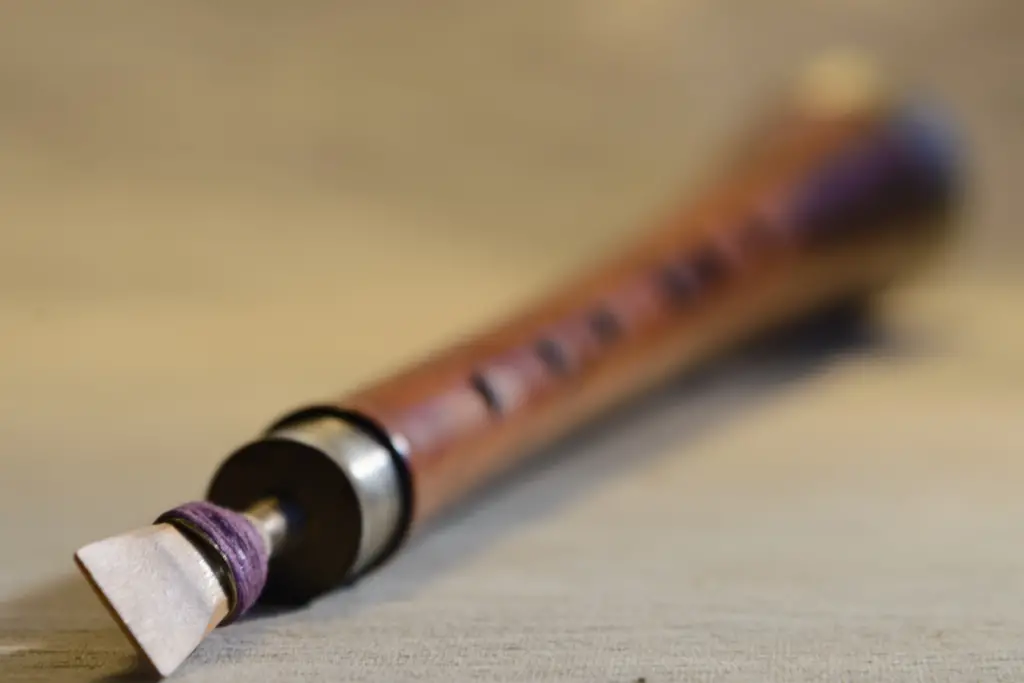
Wooden oboes are prized for their rich, warm tone, but they require special care to prevent cracking. These delicate instruments are susceptible to damage from temperature and humidity changes. Proper maintenance and break-in procedures can significantly reduce the risk of cracks forming in a wooden oboe.
Cracking often occurs when moisture inside the oboe causes the wood to expand unevenly. This is particularly common in the upper joint, where 99% of fractures occur. Musicians can protect their instruments by following specific care routines and being mindful of environmental factors.
One key aspect of crack prevention is proper swabbing after each use. This helps equalize humidity levels throughout the instrument. Additionally, gradual break-in procedures for new oboes allow the wood to acclimate slowly to playing conditions, reducing stress on the material.
Understanding Wood Properties
Wood is a hygroscopic material that reacts to changes in moisture and temperature. These properties significantly affect the stability and longevity of wooden oboes.
Wood Moisture Content
The moisture content of wood directly impacts its dimensional stability. Oboes are typically made from dense hardwoods like grenadilla or rosewood. These woods naturally contain water, which can fluctuate based on environmental conditions.
When wood loses moisture, it shrinks. This shrinkage can lead to cracks if it occurs too rapidly or unevenly. Conversely, when wood absorbs moisture, it swells.
To maintain stability, wooden oboes should be kept at a consistent moisture level. Oiling the bore can help regulate moisture content and reduce the risk of cracking.
Temperature and Humidity Effects
Temperature and humidity work in tandem to affect wood properties. Rapid changes in either can stress the wood, potentially causing cracks.
Cold temperatures cause wood to contract, while heat leads to expansion. Low humidity environments draw moisture out of wood, while high humidity introduces excess moisture.
Proper warm-up techniques are crucial for preventing cracks. Gradually warming the instrument before playing allows the wood to adjust slowly to temperature changes.
Storing oboes in controlled environments helps maintain stable humidity levels. Using humidifiers or dehumidifiers can create ideal storage conditions, typically around 40-60% relative humidity.
Selection of Wood for Oboes
The wood used in oboe construction plays a crucial role in the instrument’s sound quality, durability, and resistance to cracking. Careful attention to wood grain orientation and proper seasoning are essential factors in crafting high-quality oboes.
Importance of Wood Grain Orientation
Wood grain orientation significantly impacts an oboe’s structural integrity and sound production. Oboe manufacturers typically use quarter-sawn wood for optimal stability. This cutting method ensures the grain runs perpendicular to the bore, minimizing expansion and contraction.
Quarter-sawn wood offers several advantages:
- Increased dimensional stability
- Enhanced resistance to warping and twisting
- Improved sound projection and resonance
Reputable oboe makers carefully select wood pieces with straight, even grain patterns. They avoid using wood with knots or irregularities that could compromise the instrument’s structure or tonal quality.
Seasoning of Wood
Proper wood seasoning is critical for creating crack-resistant oboes. This process involves carefully drying the wood to achieve an optimal moisture content. Seasoning can take several years, depending on the wood species and environmental conditions.
Key aspects of wood seasoning for oboes include:
- Slow, controlled drying to prevent warping or cracking
- Regular monitoring of moisture levels
- Storing wood in climate-controlled environments
Well-seasoned wood is less prone to dimensional changes due to humidity fluctuations. This stability helps prevent cracks from forming in the finished instrument. Manufacturers often use specialized kilns to accelerate and control the seasoning process while maintaining wood quality.
Construction Techniques
Preventing cracks in wooden oboes starts with the instrument’s construction. Precision crafting and careful adhesive selection play crucial roles in creating a durable, crack-resistant oboe.
Precision Crafting
Skilled luthiers use specialized techniques to craft wooden oboes resistant to cracking. They select high-quality, well-seasoned African blackwood or grenadilla for its stability and density. The wood is carefully dried to reduce moisture content and minimize future warping.
Craftsmen employ computer-aided design and CNC machining for precise boring and key placement. This ensures even wall thickness throughout the instrument, reducing stress points that could lead to cracks.
The bore is carefully reamed and polished to create a smooth interior surface. This helps prevent moisture accumulation and reduces the risk of internal cracks.
Adhesive Choices
The choice of adhesives is critical in oboe construction. Manufacturers use specialized wood glues formulated to maintain flexibility while providing strong bonds.
Epoxy resins are often employed for joining wooden sections. These adhesives create water-resistant seals that help prevent moisture ingress and subsequent cracking.
Key posts and tone holes are secured using a combination of threaded inserts and flexible adhesives. This allows for slight movement during temperature and humidity changes, reducing stress on the wood.
Some makers apply thin coatings of oil or varnish to the instrument’s interior. These treatments help regulate moisture absorption and prevent rapid changes in the wood’s humidity level, further reducing the risk of cracks.
Proper Maintenance
Regular maintenance is crucial for preventing cracks in wooden oboes. Cleaning, oiling, and proper handling techniques help preserve the instrument’s integrity and extend its lifespan.
Cleaning and Oiling
Swabbing the oboe after each use removes moisture and prevents cracking. Use a silk or microfiber swab to clean the bore thoroughly. Wooden oboes need to be broken in slowly, starting with only 10-15 minutes of playing per day.
Apply bore oil sparingly every 3-6 months to maintain the wood’s moisture balance. Use a small amount on a clean cloth and gently apply it to the bore. Avoid over-oiling, as this can lead to other issues.
Clean the keys and mechanisms regularly with a soft, lint-free cloth. Remove any built-up dirt or grime carefully to prevent damage to the delicate parts.
Handling and Storage
Proper handling and storage are essential for crack prevention. Always assemble the oboe with care, avoiding excessive force or twisting motions. When not in use, store the instrument in its case to protect it from temperature and humidity fluctuations.
Acclimate new wooden oboes slowly to their environment. When receiving a new oboe, leave it in its box for a full day before assembly to adjust to the room temperature.
Maintain a consistent environment for the oboe. Avoid exposing it to extreme temperatures or rapid changes in humidity. Use a humidifier in dry climates to maintain optimal moisture levels.
If cracks do appear, stop playing immediately and consult a professional repair technician. Continuing to play a cracked oboe can worsen the damage and lead to more costly repairs.
Environmental Considerations
Proper environmental control and protective storage are crucial for preventing cracks in wooden oboes. These factors significantly impact the instrument’s longevity and performance.
Controlled Environments
Maintaining consistent humidity is essential for wooden oboes. Ideal relative humidity ranges from 40% to 60%. In dry climates or during winter, use a humidifier to add moisture to the air. Conversely, in humid environments, a dehumidifier helps prevent excessive moisture absorption.
Temperature stability is equally important. Avoid exposing the oboe to rapid temperature changes. When moving between different temperature zones, allow the instrument to acclimate gradually. This prevents stress on the wood that can lead to cracking.
Store the oboe away from direct sunlight and heat sources. Excessive heat can dry out the wood, increasing the risk of cracks. Keep the instrument in a room with stable temperature and humidity levels when not in use.
Protective Cases
A high-quality case is vital for safeguarding an oboe from environmental extremes. Choose a case with proper insulation to buffer against temperature fluctuations. Look for cases with humidity control features, such as built-in hygrometers or humidifiers.
Some cases come with specialized materials that help regulate moisture levels. These can include wooden or fabric linings that absorb excess humidity or release moisture when needed.
For additional protection, consider using a case cover. This extra layer shields the instrument from sudden temperature changes and provides added insulation. When traveling, always keep the oboe in its case to minimize exposure to varying environmental conditions.
Regular Inspections
Regular inspections are crucial for preventing cracks in wooden oboes. Early detection and professional assessments help identify potential issues before they become serious problems.
Detecting Early Signs of Cracking
Oboe players should carefully examine their instruments for early signs of cracking. Look for small hairline cracks or changes in the wood’s appearance. Pay close attention to areas prone to cracking, such as the upper joint and around tone holes.
Inspect the oboe after each use. Run fingers gently along the wood to feel for any irregularities. Use a magnifying glass to check for fine cracks that may not be visible to the naked eye.
Warm up the instrument before playing. This helps prevent sudden temperature changes that can lead to cracking.
Professional Assessments
Regular check-ups by a professional oboe technician are essential. Schedule annual maintenance appointments to ensure the instrument remains in top condition.
Technicians use specialized tools to inspect hard-to-see areas. They can identify potential problems before they become visible to the player.
During assessments, technicians may recommend preventive measures. These could include adding orange peels to the case to maintain humidity or applying synthetic cork grease to prolong tenon cork life.
If a crack is detected, place the oboe in its case with an orange peel to prevent further spreading. Seek professional repair immediately to address the issue.
Repair and Restoration
Proper repair and restoration are crucial for maintaining a wooden oboe’s longevity and performance. Timely intervention by qualified professionals can prevent minor issues from becoming major problems.
When to Seek Repair
Cracks in the wood require immediate attention. If you notice any splits or fissures, place an orange peel in the case to help prevent the crack from spreading, and contact a repair specialist promptly.
Sticky or misaligned keys also warrant professional care. These issues can affect the instrument’s playability and intonation.
Water damage from improper drying can lead to swelling or warping. If you suspect water damage, consult a repair expert as soon as possible.
Regular maintenance checks every 1-2 years can catch potential problems early. This proactive approach often prevents more extensive repairs later.
Qualified Repair Services
Seek out repair technicians who specialize in woodwind instruments, particularly oboes. These professionals have the specific knowledge and tools required for delicate oboe work.
Look for certifications or memberships in professional organizations like the National Association of Professional Band Instrument Repair Technicians (NAPBIRT).
Ask fellow oboists or music teachers for recommendations. Personal experiences can provide valuable insights into a technician’s skill and reliability.
Reputable repair shops often offer evaluations before proceeding with work. This allows you to understand the extent of repairs needed and associated costs.
Consider the repair shop’s experience with your specific oboe brand and model. Some technicians may have more expertise with certain manufacturers.