
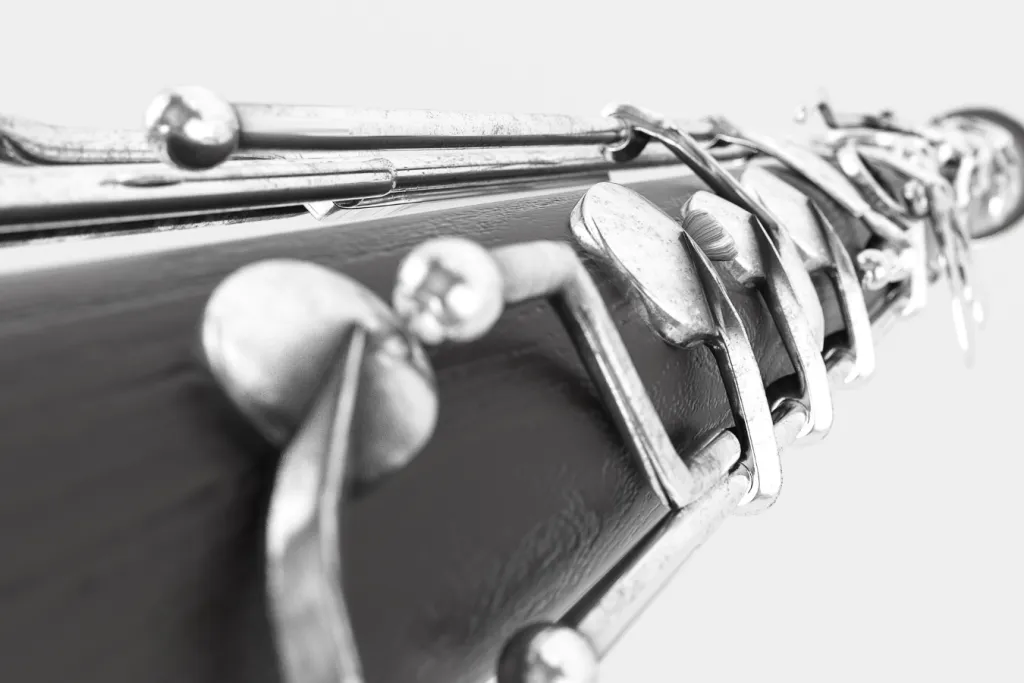
Playing faster on the oboe requires dedicated practice and specific techniques. Many oboists struggle with rapid passages, but with the right approach, speed and clarity can be achieved.
The key to playing faster on the oboe lies in developing efficient tonguing techniques and building muscle memory through consistent practice. Single tonguing forms the foundation for rapid articulation, and oboists can gradually increase their speed by working with a metronome.
Mastering fast passages also involves proper breath support and finger coordination. Oboists can improve their speed by practicing scales and arpeggios at increasing tempos, focusing on maintaining a steady airstream and precise finger movements. Regular practice of these fundamentals will lead to improved agility and speed in more complex musical passages.
Fundamentals of Oboe Playing
Proper embouchure is essential for oboe playing. Players must form their lips around the reed in a controlled manner to produce a clear tone.
Breath support is crucial. Oboists need to develop strong diaphragmatic breathing techniques to maintain consistent air pressure.
Finger placement and coordination are key aspects of oboe technique. Players must practice precise finger movements to execute notes accurately.
Reed selection and maintenance play a vital role in oboe performance. Choosing the right reed and keeping it in good condition affects tone quality and ease of playing.
Posture is important for both comfort and sound production. Oboists should sit or stand with a straight back and relaxed shoulders.
Key elements of oboe playing include:
- Embouchure control
- Breath support
- Finger technique
- Reed management
- Proper posture
Regular practice is essential to develop these fundamental skills. Playing scales and exercises can help improve physical stamina and technical proficiency.
Developing a consistent practice routine helps reinforce good habits and build muscle memory. This foundation is crucial for advancing to more complex techniques and faster playing.
Breathing Techniques
Proper breathing techniques are essential for playing the oboe faster. The oboe requires high air pressure but low air volume, making efficient breath control crucial.
Breath support is key to maintaining a stable tone while playing rapidly. Oboists should focus on using their diaphragm to control airflow, rather than relying solely on chest breathing.
One effective technique is circular breathing. This method allows players to maintain a continuous sound by inhaling through the nose while simultaneously pushing air out of the mouth using the cheeks.
Puffing is another useful technique for oboists. It involves exhaling small bursts of air during play to release built-up pressure without interrupting the music.
To improve breath control, practice long tones and gradually increase their duration. This exercise helps develop stamina and improves air management for faster passages.
Oboists should also practice breathing exercises away from the instrument. This helps develop stronger breath support without the added pressure of playing.
Remember to maintain good posture while playing. A straight back and open chest allow for deeper, more efficient breathing, which is crucial for sustaining fast passages.
Finger Dexterity Exercises
Improving finger dexterity is crucial for playing the oboe faster. While the search results focus on guitar exercises, many principles can be adapted for oboe players.
One effective exercise involves practicing scales and arpeggios. Start slowly and gradually increase speed as accuracy improves. Focus on smooth, precise movements of each finger.
Another technique is to practice finger patterns across different octaves. This helps build coordination between fingers and enhances muscle memory.
Trills and grace notes are excellent for developing finger agility. Begin with slow, deliberate movements and progressively increase tempo.
A helpful drill is alternating between two notes rapidly. This improves the speed of individual finger movements. Start with adjacent keys and expand to wider intervals.
Incorporating finger exercises into daily practice routines is essential. Aim for 10-15 minutes of dedicated dexterity work each session.
Using a metronome during these exercises ensures steady rhythm and allows for measurable progress. Begin at a comfortable tempo and increase gradually.
Remember to maintain proper hand position and relaxed fingers throughout these exercises. Tension can hinder speed and accuracy.
Developing Muscle Memory
Developing muscle memory is crucial for playing faster on the oboe. This process involves repeating specific movements until they become automatic.
Regular practice is essential. Oboists should dedicate time each day to practicing scales, arpeggios, and technical exercises. These repetitive actions help solidify finger movements and breathing techniques.
Slow practice is key. Start by playing passages at a reduced tempo, focusing on accuracy and proper technique. Gradually increase the speed as movements become more natural.
Using a metronome can greatly aid in developing consistent timing and rhythm. Begin with a slow tempo and incrementally raise it as comfort and precision improve.
Breaking down complex passages into smaller segments can be beneficial. Practice these segments separately before combining them into the full piece.
Visualization techniques can complement physical practice. Mentally rehearsing finger movements and breath control can reinforce muscle memory even when not playing.
Proper posture and hand position are fundamental. Maintaining correct form during practice ensures that the right muscles are engaged and strengthened.
Patience is vital in this process. Developing muscle memory takes time and consistent effort. Progress may be slow, but with dedication, faster playing will become achievable.
Articulation and Phrasing
Articulation plays a crucial role in achieving faster playing on the oboe. Legato articulation and slurs are essential techniques for smooth, connected passages. Players should practice transitioning between notes seamlessly to maintain fluidity at higher speeds.
Separated articulations require precision and control. Oboists must develop a clean, crisp attack for each note while maintaining consistent air support. This balance is key for rapid articulation without sacrificing tone quality.
Fast single tonguing is often associated with staccato playing, but it’s not the only approach. Practicing legato tonguing can also improve speed and fluidity in fast passages.
For extremely rapid passages, double tonguing may be necessary. This technique involves alternating between “tu” and “ku” syllables to achieve faster articulation. It requires significant practice to master on the oboe due to the instrument’s unique embouchure demands.
Proper phrasing is equally important for fast playing. Musicians should identify logical groupings of notes and shape them musically. This approach helps maintain coherence and expression even at high speeds.
Breathing techniques are integral to effective phrasing. Strategic breath placement allows for longer, more fluid phrases without interrupting the musical line. Oboists must plan their breaths carefully to support both articulation and phrasing in fast passages.
Advanced Techniques
To play faster on the oboe, mastering advanced techniques is crucial. One such technique is bisbigliando, which involves rapidly alternating between two fingerings for the same pitch. This creates a shimmering effect and can enhance speed and dexterity.
Double tonguing is another valuable skill. It allows for quicker articulation by alternating between “tu” and “ku” syllables. Regular practice can significantly increase tonguing speed over time.
Circular breathing enables continuous sound production without pausing for breath. While challenging to learn, it can be invaluable for maintaining fast passages without interruption.
Finger exercises away from the instrument can improve dexterity. Tapping complex rhythms on a table or using finger strengtheners can enhance coordination and speed.
Scales and arpeggios are fundamental for building speed. Practice these patterns in various rhythms and articulations to improve overall technique.
Utilizing alternative fingerings can sometimes facilitate faster playing in certain passages. Experiment with different fingerings to find the most efficient options for rapid sequences.
Lastly, incorporating metronome work is essential. Gradually increasing tempo in small increments helps build speed systematically and sustainably.
Practice Strategies
Developing effective practice strategies is crucial for improving speed and technique on the oboe. A structured approach combining consistency, gradual tempo increases, and proper use of tools can yield significant progress.
Consistent Practice Routine
Establishing a regular practice schedule is essential for building speed and dexterity on the oboe. Set specific goals for each practice session to maximize productivity. Aim for daily practice sessions, even if they are shorter on busier days.
Break practice time into focused segments:
- Warm-up exercises (10-15 minutes)
- Technical work (scales, arpeggios) (20-30 minutes)
- Etudes or specific passage work (20-30 minutes)
- Repertoire practice (remaining time)
Consistency helps develop muscle memory and reinforces proper technique. It’s better to practice for 30 minutes daily than for several hours once a week.
Slow Practice
Slow practice is a fundamental technique for improving speed and accuracy. Start by playing difficult passages at a tempo where every note can be executed perfectly. Focus on:
- Precise finger movements
- Clean articulation
- Proper breath support
- Correct embouchure
Avoid tension and injury by maintaining relaxed posture and hand position during slow practice. This approach allows the player to develop muscle memory for correct technique, which is essential when increasing speed later.
Using a Metronome
A metronome is an indispensable tool for developing consistent timing and improving speed. Start by setting the metronome to a slow, comfortable tempo for the passage being practiced. Focus on:
- Playing exactly with the beat
- Maintaining steady rhythm
- Articulating cleanly on each note
Gradually increase the metronome speed as accuracy improves. Practice with different rhythmic variations:
- Accent every second or third note
- Use dotted rhythms
- Play in groups of two or three notes
These variations help develop finger dexterity and rhythmic precision.
Incremental Tempo Increase
Increasing tempo gradually is key to building speed without sacrificing accuracy. After mastering a passage at a slow tempo:
- Increase the metronome by 2-4 beats per minute (BPM)
- Practice at the new tempo until comfortable
- Repeat the process until reaching the desired speed
If accuracy suffers, return to a slower tempo. It’s important to maintain good technique throughout this process. Avoid forcing speed at the expense of clean articulation or proper finger movements.
Track progress by noting the achieved tempos for specific passages. This provides motivation and helps identify areas needing more focused practice.
Reed Adjustments
Proper reed adjustments are crucial for playing faster on the oboe. A well-adjusted reed responds quickly and accurately, allowing for improved agility and speed.
To begin, assess the reed’s crow. A good reed should produce three octaves of a “C” when blown with sufficient air. This indicates proper balance and responsiveness.
If the reed feels too closed, gently squeeze the wire (if present) to open it up. Conversely, if it’s too open, carefully pinch the sides to close it slightly.
For improved low register response, soak the reed in hot water for at least 30 seconds. Then, gently press the corners of the reed inward.
To address a thin-sounding reed, insert a plaque and squeeze just behind the tip. Gradually move closer to the string, applying more pressure as you go.
Remember that reed adjustments require precision and care. Small changes can have significant impacts on playability and speed.
Regular maintenance of reeds is essential. Keep them clean and store them properly to maintain their optimal condition for fast, agile playing.
Instrument Maintenance
Proper oboe maintenance is crucial for optimal performance and longevity. Regular cleaning and proper storage practices help prevent damage and ensure the instrument remains in top playing condition.
Regular Cleaning
Thoroughly dry the inside of the oboe after each use. Use a swab or cleaning rod with a soft cloth to remove moisture from the bore. This prevents water damage and potential cracking.
Clean the keys and body with a soft, lint-free cloth. Avoid using harsh chemicals or abrasive materials. Pay special attention to the key mechanisms, wiping away any dirt or debris.
Apply a small amount of cork grease to the tenon corks as needed. This ensures smooth assembly and disassembly while protecting the cork from moisture damage.
Inspect the pads regularly for signs of wear or damage. Replace worn pads promptly to maintain proper seal and intonation.
Proper Storage
Always store the oboe in its case when not in use. This protects it from accidental damage, dust, and temperature fluctuations.
Keep the instrument in a temperature-controlled environment. Avoid extreme heat, cold, or humidity, which can cause warping or cracking.
Remove the reed from the oboe before storing. Place it in a reed case to protect it from damage and maintain its shape.
Store the oboe assembled to minimize stress on the joints. If disassembling, ensure all parts are properly aligned when reassembling.
Place an orange peel in the case to help maintain humidity levels and prevent cracks. Replace the peel regularly to avoid mold growth.
Performance Tips
Playing faster on the oboe requires a combination of technical skill and mental preparation. Proper breath support is crucial for maintaining speed and control. Musicians should focus on taking deep, diaphragmatic breaths to sustain long, rapid passages.
Finger coordination plays a vital role in fast oboe playing. Regular practice of scales and arpeggios helps develop muscle memory and agility. Mastering challenging passages often involves breaking them down into smaller segments and gradually increasing tempo.
Articulation is key for clear, rapid notes. Oboists can improve their tonguing speed by practicing repeating consonant sounds like “tu-tu-tu” without the instrument, then applying this technique to the reed and full oboe.
Mental focus is essential during fast passages. Visualizing the music and fingerings before playing can enhance performance. It’s important to stay relaxed and avoid tensing up, which can impede speed and fluidity.
Consistent practice is crucial for building stamina. Multiple short practice sessions throughout the day can be more effective than one long session, allowing muscles to develop without fatigue-induced errors.
Using a metronome helps maintain steady tempo and gradually increase speed. Start slow and incrementally raise the tempo as comfort and accuracy improve.