
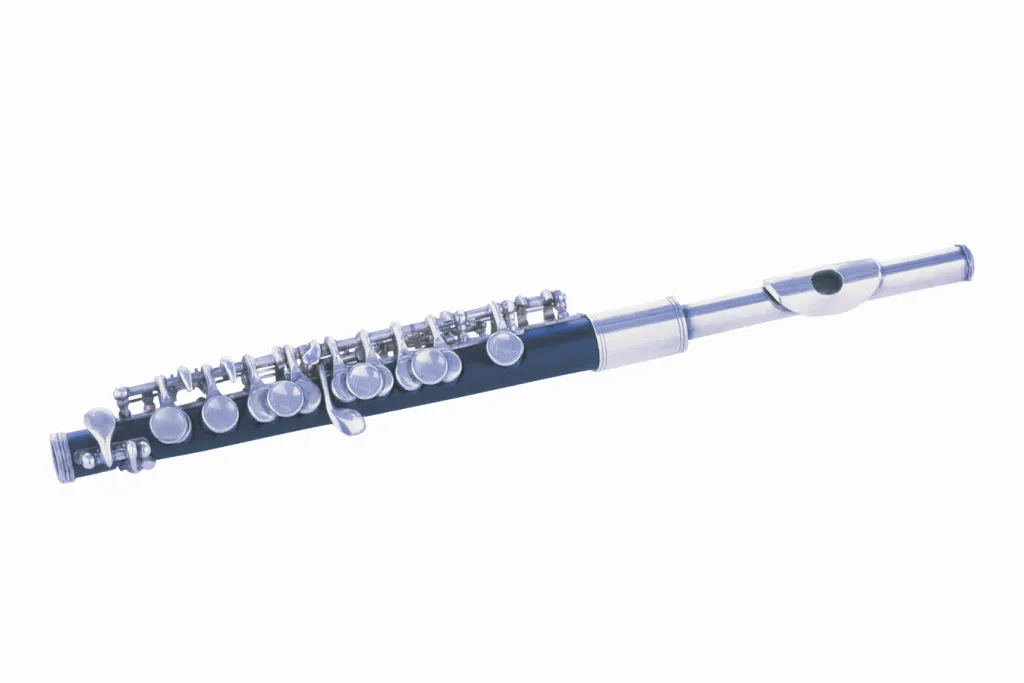
Piccolo players often wonder about the optimal time to replace their instrument’s pads. These small but crucial components play a vital role in producing clear, resonant tones. Recognizing when pads need replacement can significantly impact a piccolo’s performance and the musician’s playing experience.
On average, piccolo pads should be replaced every 5 to 7 years, depending on frequency of use and maintenance habits. Signs that indicate the need for pad replacement include difficulty producing certain notes, air leaks, and visible wear or damage to the pad material. Regular inspections by a qualified technician can help identify early signs of pad deterioration.
Proper maintenance can extend pad life and improve instrument performance. This includes cleaning the piccolo after each use, storing it in a suitable case, and avoiding extreme temperature or humidity changes. Musicians who take these steps may find their piccolo pads lasting longer and performing better throughout their lifespan.
Signs of Worn Piccolo Pads
Recognizing worn piccolo pads is crucial for maintaining optimal instrument performance. Musicians should be aware of visual cues, changes in responsiveness, and the presence of pad residue.
Visual Wear
Piccolo pads may show visible signs of wear over time. Players should inspect their instrument regularly for discoloration or physical damage to the pads. Fading or darkening of the pad material can indicate aging.
Tears, fraying edges, or flattened surfaces are clear indicators that replacement is necessary. Small indentations or grooves on the pad surface suggest frequent use and potential air leakage.
Oxidation of metal components near the pads can also affect pad integrity. Green or white residue around pad cups may signal corrosion issues that impact sealing.
Responsiveness Issues
Worn pads often lead to changes in the piccolo’s responsiveness. Players may notice sticky pads that do not release quickly after key depression. This can result in delayed or missed notes during rapid passages.
Inconsistent tone quality across the instrument’s range may indicate uneven pad wear. Some notes may become more difficult to produce or require additional air pressure.
Intonation problems can arise as pads lose their ability to create a proper seal. This manifests as sharp or flat notes that resist correction through embouchure adjustments.
Air leaks are a telltale sign of pad wear. Musicians might hear a slight hissing sound when playing certain notes or feel air escaping around the keys.
Pad Residue
Accumulation of residue on and around the pads is a common issue. Players may observe a buildup of dust, dirt, or oils on the pad surface. This can interfere with the pad’s ability to create an airtight seal.
Sticky substances on the pads can cause keys to adhere to tone holes. This residue often results from the breakdown of pad materials or environmental factors.
White powder or crystals forming on pad edges indicate mineral deposits from saliva or condensation. These deposits can harden pads and reduce their effectiveness.
Mold or mildew growth on pads is a serious concern, especially in humid environments. This not only affects performance but can also pose health risks to the player.
Maintenance and Care
Regular maintenance and proper care are crucial for extending the life of piccolo pads and ensuring optimal performance. Cleaning the pads and storing the instrument correctly can significantly impact pad longevity and functionality.
Cleaning the Pads
Piccolo pads require gentle cleaning to remove moisture and debris. After playing, use a silk or microfiber swab to dry the inside of the instrument. This helps prevent pad damage from excess moisture.
For sticky pads, a specialized pad cleaning paper can be used. Place the paper under the pad, press the key gently, and slide the paper out. Repeat this process 2-3 times to remove any residue.
Avoid using harsh chemicals or excessive force when cleaning pads. A soft, lint-free cloth can be used to gently wipe the pad surfaces.
Proper Storage
Storing a piccolo correctly is essential for pad preservation. Always store the instrument in its case when not in use to protect it from dust, humidity, and temperature fluctuations.
Use a case with proper support to prevent pressure on the keys and pads. Consider using a humidity control device in the case to maintain optimal moisture levels.
Before storage, ensure the piccolo is completely dry. Remove any moisture from the bore and pads using a cleaning rod and swab. This prevents mold growth and pad deterioration.
Keep the case away from direct sunlight and extreme temperatures. These conditions can cause pad warping or premature aging.
Replacement and Repair
Replacing piccolo pads requires careful consideration and expertise. Proper replacement ensures optimal instrument performance and longevity.
Choosing the Right Pads
Selecting appropriate pads is crucial for piccolo maintenance. Pads come in various materials, including leather, synthetic, and cork. Each type offers distinct advantages.
Leather pads provide a traditional feel and are known for their durability. Synthetic pads resist moisture and last longer in humid conditions. Cork pads offer excellent sealing properties but may require more frequent replacement.
The pad thickness matters too. Thicker pads can compensate for minor key alignment issues but may affect the instrument’s responsiveness. Thinner pads offer better sensitivity but require precise key adjustment.
Pad replacement costs vary depending on the material and quantity needed. It’s essential to consult with a professional to determine the best options for your specific piccolo model and playing style.
Professional Replacement
While some musicians attempt DIY pad replacement, professional service is highly recommended. Technicians have the tools and expertise to ensure proper fit and alignment.
The replacement process involves heating the pad cup to remove old adhesive, carefully inserting the new pad, and precisely aligning it with the tone hole. Professionals use specialized tools to achieve the correct depth and seal.
After installation, technicians perform a leak test to verify proper sealing. They may use feelers or leak lights to detect any air escape. Fine adjustments are made to ensure each pad closes evenly and creates an airtight seal.
Comprehensive piccolo repair often includes pad replacement along with other maintenance tasks. This ensures all components work together for optimal performance.