
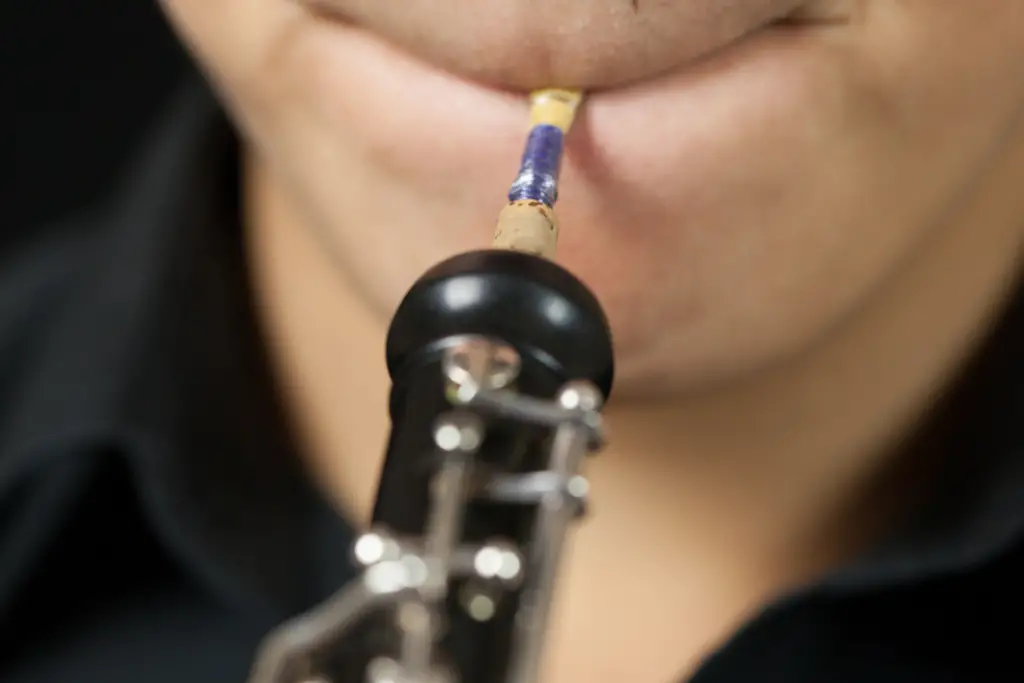
Performing for extended periods can take a toll on musicians, especially when it comes to key fatigue. This physical and mental strain can impact both the quality of the performance and the performer’s well-being. Recognizing the signs of key fatigue and implementing effective strategies is crucial for maintaining a high level of musicianship throughout long performances.
To handle key fatigue during long performances, musicians should focus on proper technique, regular breaks, and physical conditioning. Maintaining good posture and hand positioning can reduce strain on the muscles and tendons. Taking short breaks between songs or sets allows for brief moments of rest and recovery. Additionally, strengthening exercises and stretches targeting the hands, wrists, and forearms can improve endurance and reduce the risk of fatigue.
Mental preparation also plays a significant role in managing key fatigue. Practicing mindfulness techniques can help musicians stay focused and present during performances. Developing a pre-performance routine that includes relaxation exercises and positive visualization can set the stage for a more comfortable and controlled playing experience. By combining physical and mental strategies, musicians can effectively combat key fatigue and deliver consistently strong performances, even during extended sessions.
Preparations Before Performances
Proper preparation is essential for managing key fatigue during long performances. Addressing technique, warm-ups, and instrument setup can significantly improve endurance and comfort.
Proper Technique and Posture
Maintaining correct technique and posture is crucial for preventing fatigue. Players should focus on relaxed, efficient movements to conserve energy. Avoid unnecessary tension in the hands, wrists, and arms.
Keep shoulders relaxed and down. Sit or stand with a straight spine, allowing for natural curves. Align ears over shoulders and hips.
Practice slow, deliberate movements to reinforce proper form. This builds muscle memory for correct technique during performances.
Use a mirror or video recordings to check posture and hand positions regularly. Seek feedback from instructors or peers to identify and correct any inefficient habits.
Physical and Mental Warm-Ups
Thorough warm-ups prepare the body and mind for extended playing. Start with gentle stretches for fingers, hands, wrists, and arms. Rotate joints and shake out any tension.
Gradually increase intensity with scales, arpeggios, and technical exercises. Focus on smooth, controlled movements.
Incorporate breathing exercises to promote relaxation and focus. Try deep belly breathing or alternate nostril breathing.
Mentally rehearse challenging passages. Visualize successful performances to build confidence and reduce anxiety.
Ergonomic Instrument Setup
Proper instrument setup minimizes strain and maximizes comfort. Adjust seat height so elbows are slightly above the keyboard. Ensure feet are flat on the floor or use a footrest.
Position the instrument at a comfortable distance. Avoid reaching or straining to reach keys or pedals.
Use cushions or ergonomic aids to support proper posture. Consider a chair with lumbar support for extended performances.
Experiment with different keyboard heights and angles to find the most comfortable position. Some players benefit from a slight tilt towards the body.
Ensure adequate lighting to reduce eye strain. Use a music stand at eye level to maintain good neck posture while reading sheet music.
Strategies During Performance
Performers can employ several key tactics to combat fatigue and maintain peak performance during long shows. These approaches focus on optimizing physical and mental resources to sustain energy and concentration throughout extended periods on stage.
Effective Break Management
Musicians should strategically use breaks between songs or sets to recharge. Brief stretching exercises help alleviate muscle tension and improve circulation. Deep breathing techniques can quickly reduce stress and restore focus.
Performers can use short pauses to mentally reset, visualizing successful execution of upcoming pieces. This mental rehearsal enhances confidence and preparation.
For longer breaks, finding a quiet space to sit or lie down for a few minutes can provide valuable rest. Even a short power nap of 10-15 minutes may boost alertness and performance.
Hydration and Nutrition
Proper hydration is crucial for maintaining energy levels during performances. Musicians should keep water easily accessible on stage and sip regularly to prevent dehydration.
Electrolyte-rich drinks can be beneficial for replenishing minerals lost through perspiration under hot stage lights. Performers should avoid sugary or caffeinated beverages that may lead to energy crashes.
Light, nutrient-dense snacks help sustain energy without causing digestive discomfort. Options like nuts, fruits, or energy bars provide steady fuel. Eating small portions frequently is preferable to large meals before or during performances.
Maintaining Focus and Stamina
Pacing oneself is key to sustaining energy throughout a long performance. Musicians can conserve physical effort during less demanding sections to prepare for more intense moments.
Using deliberate mental focus techniques helps maintain concentration. Performers can anchor their attention to specific aspects of the music or their instrument to stay engaged.
Micro-breaks between songs offer opportunities to reset posture and relax tense muscles. Simple exercises like shoulder rolls or hand stretches can prevent fatigue and reduce the risk of repetitive strain injuries.
Alternating between standing and sitting positions, when possible, helps distribute physical strain and maintain alertness during extended performances.
Post-Performance Recovery
Effective recovery strategies after long performances are crucial for maintaining physical and mental well-being. These techniques help musicians regain energy, prevent injuries, and reflect on their experiences.
Cool-Down Exercises
Musicians should engage in gentle stretching exercises immediately after performances. Focus on areas that experience the most tension, such as the neck, shoulders, and hands. Slow arm circles and wrist rotations can help release built-up tension.
Light cardiovascular activity, like a short walk, promotes blood flow and aids in flushing out toxins. This can reduce muscle soreness and stiffness.
Deep breathing exercises help transition from the high-energy state of performance to a more relaxed state. Practice diaphragmatic breathing for 5-10 minutes to calm the nervous system.
Physical Therapy and Self-Care
Regular massages can alleviate muscle tension and prevent chronic pain. Musicians should consider scheduling sessions with a therapist specializing in performing artists.
Self-massage techniques using foam rollers or massage balls can be effective for daily maintenance. Focus on trigger points in the back, shoulders, and arms.
Proper hydration and nutrition are essential for recovery. Consume a balanced meal within an hour after the performance to replenish energy stores.
Adequate sleep is crucial for physical and mental recovery. Aim for 7-9 hours of quality sleep, maintaining a consistent sleep schedule even on performance days.
Reflective Practice and Journaling
Keeping a performance journal allows musicians to track progress and identify areas for improvement. Record thoughts on technical aspects, emotional experiences, and audience reactions.
Set aside time to review recordings of performances. This practice helps in objectively assessing strengths and weaknesses.
Engage in mindfulness exercises to process the emotional aspects of performing. Meditation or guided imagery can help reduce performance anxiety and improve focus for future events.
Establish a post-performance routine that includes both physical and mental recovery activities. This routine can act as a signal to the body and mind that it’s time to transition out of performance mode.
Building Long-Term Resilience
Musicians can develop lasting stamina and endurance for extended performances through consistent practice and targeted strategies. These approaches focus on physical preparation, mental fortitude, and balanced routines to maintain peak performance over time.
Scheduled Rest and Diversification
Pianists should incorporate regular breaks into their practice schedules. These pauses allow muscles to recover and prevent overuse injuries. A balanced routine might include 25-minute practice sessions followed by 5-minute rest periods.
Diversifying practice activities can also combat fatigue. Alternating between technical exercises, sight-reading, and repertoire work engages different muscle groups and mental faculties. This variety helps maintain focus and reduces the risk of repetitive strain.
Musicians can benefit from cross-training with other instruments or physical activities. Swimming or yoga can improve overall stamina and flexibility, indirectly enhancing keyboard endurance.
Exercises for Strength Building
Targeted exercises can build long-term resilience for pianists. Finger lifts, wrist rotations, and forearm stretches strengthen the muscles used in playing.
A simple exercise routine:
- Finger lifts: 3 sets of 10 repetitions per finger
- Wrist rotations: 2 sets of 15 rotations in each direction
- Forearm stretches: Hold for 15 seconds, repeat 3 times
Grip strengtheners and stress balls can improve hand strength when used regularly. Pianists should start with light resistance and gradually increase as their strength improves.
Mindfulness and Stress Management
Mental resilience is crucial for managing performance anxiety and maintaining focus during long concerts. Regular meditation or deep breathing exercises can help musicians stay calm under pressure.
Visualization techniques allow pianists to mentally rehearse performances, reducing stress and improving confidence. Spending 10-15 minutes daily imagining successful performances can yield significant benefits.
Building change resilience involves adapting to unexpected situations. Pianists can practice performing under various conditions, such as different pianos or audience sizes, to prepare for real-world challenges.
Enhancing Equipment and Accessories
Optimizing your equipment and accessories can significantly reduce key fatigue during long performances. The right choices and modifications can make a substantial difference in comfort and endurance.
Selecting the Right Equipment
Choosing appropriate equipment is crucial for minimizing key fatigue. Opt for keyboards with weighted keys that offer a natural feel and response. Look for models with adjustable touch sensitivity to customize the playing experience.
Consider ergonomic designs that promote proper hand and wrist positioning. Some keyboards feature sculpted keys or angled surfaces to reduce strain during extended play.
Investigate the action mechanism of the keyboard. Hammer-action keys can provide a more piano-like feel, potentially reducing fatigue for classically trained pianists.
Custom Modifications
Customizing your instrument can greatly enhance comfort and reduce fatigue. Consider installing key covers made from materials like silicone or felt to improve grip and reduce finger slippage.
Explore adjustable keyboard stands that allow for precise height and angle settings. This ensures optimal positioning for your body type and playing style.
Ergonomic wrist rests can provide additional support during breaks between playing. Some musicians find benefit in attaching cushioned pads to the edge of the keyboard for added comfort.
Accessory Use and Alternatives
Utilizing accessories can help distribute the workload and reduce strain on specific fingers or hands. Incorporate sustain pedals to maintain notes without constant key pressure.
Experiment with different playing techniques, such as using alternative fingerings or redistributing complex passages between hands. This can help prevent overuse of specific muscle groups.
Consider using MIDI controllers or synthesizers for certain parts of a performance. These instruments often have lighter key action, providing a break from heavier acoustic or weighted keys.
Invest in high-quality gloves designed for musicians. These can improve grip, reduce friction, and provide additional support during long performances.
Seeking Professional Guidance
Professional guidance can provide valuable insights and strategies for managing key fatigue during long performances. Experts in performance techniques, specialized training, and health assessments offer targeted solutions to enhance endurance and prevent fatigue-related issues.
Consulting Performance Specialists
Performance specialists possess in-depth knowledge of techniques to optimize musical endurance. They analyze playing posture, hand positioning, and keyboard approach to identify potential sources of fatigue. These experts may recommend adjustments to finger placement or suggest ergonomic modifications to the instrument setup.
Performance specialists often provide personalized advice on practice routines and warm-up exercises tailored to an individual’s needs. They might introduce techniques like circular breathing for wind instruments or suggest strategic breaks during extended performances.
Collaborating with a specialist can lead to improved efficiency in movement and energy conservation while playing. This expertise can be particularly valuable for musicians preparing for demanding concert schedules or lengthy recitals.
Engaging in Targeted Training
Targeted training programs focus on building stamina and technique specifically for long performances. These programs often incorporate exercises to strengthen the muscles used in playing, improving overall endurance.
Key components of targeted training may include:
- Finger dexterity exercises
- Arm and wrist stretches
- Core strength workouts
- Cardiovascular conditioning
Musicians might engage in interval training to simulate the demands of extended performances. This approach alternates periods of intense playing with short rest periods, gradually increasing duration and intensity over time.
Targeted training also addresses mental stamina. Techniques like visualization and mindfulness can help musicians maintain focus during lengthy performances, reducing mental fatigue that often contributes to physical exhaustion.
Health Assessments and Interventions
Regular health assessments can identify potential issues that contribute to key fatigue. These evaluations may include:
- Posture analysis
- Range of motion tests
- Muscle strength assessments
- Nerve conduction studies
Healthcare professionals specializing in performing arts medicine can provide tailored interventions. They might recommend physical therapy exercises, massage techniques, or even acupuncture to address specific areas of tension or weakness.
Nutritional guidance is often part of health interventions for musicians. Proper hydration and balanced nutrition play crucial roles in maintaining energy levels during long performances. A dietitian may suggest specific pre-performance meals or snacks to optimize endurance.
In some cases, health professionals might prescribe ergonomic aids or recommend stress management techniques to support overall performance stamina and reduce the risk of fatigue-related injuries.