
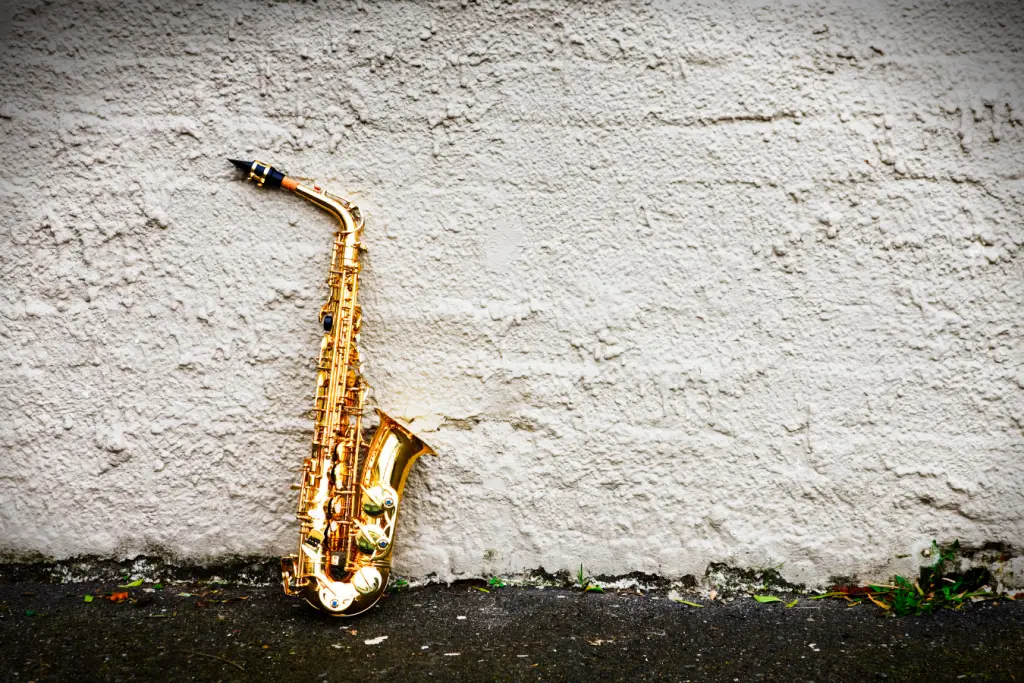
A sticky G# key is a common issue that can plague saxophone players, causing frustration and interrupting smooth performances. This problem occurs when the G# key pad adheres to the tone hole, preventing proper closure or opening. Fortunately, there are several effective methods to address this issue.
To fix a sticky G# key, players can try gently cleaning the pad and tone hole with a small piece of paper or currency, removing any buildup that may be causing the sticking. This simple technique often provides a quick solution, allowing musicians to continue playing without further interruption. For a more thorough approach, saxophone enthusiasts might consider using specialized products designed to prevent key sticking.
Regular maintenance and proper storage can help prevent the G# key from becoming sticky in the first place. Saxophone key props can be used to keep the keys open when the instrument is not in use, allowing the pads to dry and reducing the likelihood of sticking. By implementing these preventative measures and knowing how to address sticky keys when they occur, saxophonists can ensure smoother playing experiences and maintain their instruments in optimal condition.
Understanding the Mechanism of a G# Key
The G# key on a saxophone is a complex mechanical component that plays a crucial role in producing accurate notes. Its design and operation can impact playing performance and maintenance needs.
Types of Piano Key Mechanisms
The G# key typically uses a closed key mechanism. This means the key remains closed when not in use, covering the tone hole. The key is connected to a spring that provides tension, allowing it to return to the closed position after being pressed.
Most modern saxophones feature an articulated G# system. This design links the G# key to the low C#, B, and Bb keys. When any of these lower keys are pressed, the G# key opens simultaneously, enhancing playability and facilitating certain musical passages.
Some vintage or specialized saxophones may use a non-articulated G# system. In this simpler design, the G# key operates independently of other keys.
Common Causes of a Sticky G# Key
Moisture accumulation is a primary culprit for sticky G# keys. The closed nature of the key allows moisture from breath to collect between the pad and tone hole, creating adhesion.
Dirt, dust, and residue can build up on the pad or tone hole, interfering with proper key closure. This accumulation can occur gradually during normal play and storage.
Bacteria growth in the dark, moist environment between the pad and tone hole can contribute to stickiness. This bacterial film can create additional adhesion.
Worn or damaged pads may not seal properly, allowing moisture to seep in and cause sticking. Similarly, misaligned keys or bent rods can prevent the G# key from closing correctly, leading to sticking issues.
Preventative Measures for Key Maintenance
Proper maintenance is crucial for preventing sticky G# keys and other saxophone issues. Regular cleaning and optimal storage conditions play vital roles in keeping your instrument in top shape.
Regular Cleaning and Care
Cleaning your saxophone after each use is essential. Wipe down the keys and body with a soft, lint-free cloth to remove moisture and oils. Pay special attention to the G# key mechanism.
Use a small brush to gently clean between the keys and tone holes. This prevents debris accumulation that can cause sticking.
Apply key oil sparingly to moving parts every few months. This reduces friction and keeps the mechanism operating smoothly.
Consider using Key Leaves or other key props when storing the instrument. These keep pads open, allowing air circulation and preventing moisture buildup.
Regularly inspect pads for wear or damage. Replace worn pads promptly to maintain proper sealing and prevent sticking.
Optimal Environmental Conditions
Store the saxophone in a case with controlled humidity. Aim for a relative humidity between 45-55% to prevent excessive drying or moisture accumulation.
Avoid extreme temperature fluctuations. Rapid changes can cause condensation inside the instrument, leading to sticky keys.
Use a dehumidifier in the storage area if you live in a humid climate. This helps maintain consistent moisture levels.
When not in use, store the saxophone vertically or slightly tilted. This position allows any residual moisture to drain away from the pads.
Keep the instrument away from direct sunlight and heat sources. Excessive heat can damage pads and affect the instrument’s overall condition.
Step-by-Step Guide to Fixing a Sticky G# Key
A sticky G# key can often be resolved with careful cleaning and adjustment. The following steps outline the process to diagnose and repair this common saxophone issue.
Tools and Materials Needed
To fix a sticky G# key, you’ll need:
- Small screwdriver set
- Key oil or light lubricant
- Clean, lint-free cloth
- Isopropyl alcohol
- Cotton swabs
- Small piece of clean white paper
- Needle nose pliers (optional)
- Soft brush
Ensure your workspace is clean and well-lit. Lay out all tools before beginning to avoid interruptions during the repair process.
Disassembling the Key
Start by locating the G# key on your saxophone. It’s typically on the left side of the instrument near the bell.
Carefully remove any springs attached to the key. Use needle nose pliers if necessary, but be gentle to avoid damaging the delicate mechanisms.
Unscrew any visible screws holding the key in place. Keep track of all small parts removed.
Gently lift the key off the saxophone body. If it resists, do not force it. Check for additional connections that may need to be detached first.
Cleaning and Repairing
Inspect the key pad and tone hole for any visible grime or residue. This is often the cause of sticking.
Use a cotton swab dipped in isopropyl alcohol to clean the tone hole thoroughly. Be sure to let it dry completely before reassembly.
Clean the key pad with a dry, lint-free cloth. If stubborn residue persists, lightly dampen the cloth with alcohol, but avoid saturating the pad.
For light cleaning, use a small piece of clean white paper between the pad and tone hole. Press the key gently and slide the paper out to remove any green gunk.
Apply a tiny amount of key oil to the pivot points of the key mechanism. Wipe away any excess to prevent attracting dirt.
Reassembling and Testing
Carefully place the G# key back onto the saxophone body. Ensure it’s properly aligned before tightening any screws.
Reattach any springs that were removed. Check that they provide the correct tension for the key to function properly.
Test the key by pressing it several times. It should move smoothly without sticking. If issues persist, repeat the cleaning process or consider professional servicing.
Play a series of notes involving the G# key to ensure it’s functioning correctly in musical contexts. Listen for any unusual sounds or resistance when playing.
Regular maintenance can prevent future sticking. Consider using saxophone key props to keep keys open and dry when not in use.
Professional Intervention
Sometimes, a sticky G# key requires expert attention beyond basic home remedies. Professional saxophone technicians have specialized tools and expertise to diagnose and fix complex issues.
When to Seek Professional Help
If regular cleaning and basic maintenance fail to resolve a persistent sticky G# key, it’s time to consult a professional. Saxophone pads wear out over time and may need replacement. Repeated sticking despite proper care indicates a deeper problem.
Signs that warrant professional intervention include:
- Consistent sticking even after thorough cleaning
- Visible damage to the pad or key mechanism
- Unusual noises when pressing the G# key
- Difficulty achieving proper intonation on G# notes
A qualified technician can assess pad condition, spring tension, and key alignment to identify the root cause of the issue.
Finding a Qualified Technician
Locating a skilled saxophone repair technician is crucial for resolving G# key problems effectively. Look for professionals with:
- Specific experience in woodwind or saxophone repair
- Positive reviews from other musicians
- Certification from reputable music repair programs
Ask fellow saxophonists or music teachers for recommendations. Many music stores have in-house repair technicians or can refer you to trusted specialists. When contacting a technician, inquire about their experience with G# key issues and their approach to diagnosis and repair.