
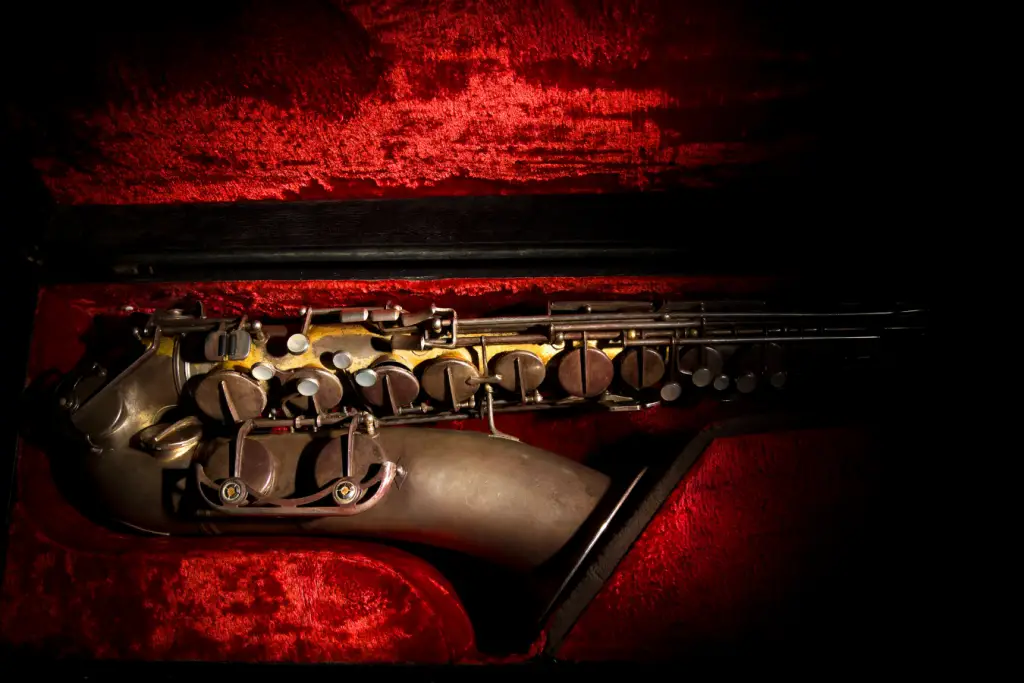
Choosing the right saxophone case is crucial for protecting your instrument and ensuring its longevity. A good case shields your saxophone from physical damage, temperature fluctuations, and moisture. The ideal saxophone case combines durability, proper fit, and adequate padding to safeguard your instrument during transport and storage.
When selecting a saxophone case, consider factors such as material, size, and interior design. Nylon cases are popular for their durability and light weight, while fiberglass options offer superior protection but at a higher cost. The case should fit your specific saxophone model snugly, with proper padding to prevent movement inside.
It’s also important to assess the case’s overall build quality. A well-constructed case will have secure latches and resist flexing when pressure is applied. This rigidity helps prevent bent body tubes, a common issue with poorly designed cases. Additionally, consider features like backpack straps for comfortable carrying and compartments for accessories.
Understanding Saxophone Case Types
Saxophone cases come in three main varieties, each offering different levels of protection and convenience. The choice between hard, soft, and hybrid cases depends on factors like travel needs, budget, and desired level of instrument safety.
Hard Cases
Hard saxophone cases provide the highest level of protection for instruments. These cases feature rigid outer shells made from materials like fiberglass, plastic, or wood. Hand-laminated fiberglass shells can withstand significant impacts and protect saxophones if dropped.
Hard cases often include custom-fitted interiors with padding to prevent movement and cushion the instrument. While bulky and heavy, they offer superior protection for valuable saxophones during travel or storage.
Some hard cases come with wheels for easier transport. Musicians who frequently fly or need maximum protection often opt for hard cases despite their weight.
Soft Cases
Soft saxophone cases, also known as gig bags, prioritize lightweight portability. Made from materials like nylon or polyester, these cases offer basic protection against scratches and minor impacts.
Soft cases typically feature padded interiors and exterior pockets for accessories. Their flexibility allows for easier storage in tight spaces. Many include backpack straps for comfortable carrying.
While not providing as much protection as hard cases, soft cases are popular for local gigs and situations where extreme durability isn’t required. They’re significantly lighter, making them ideal for musicians who frequently transport their instruments on foot.
Hybrid Cases
Hybrid saxophone cases aim to balance protection and portability. These cases usually have semi-rigid shells with reinforced areas around vulnerable parts of the instrument.
Hybrid cases often incorporate features from both hard and soft designs. They may have a firm outer layer with softer, more flexible sections. Some use foam or other lightweight materials to provide structural integrity without excessive weight.
Shaped hybrid cases offer a distinctive saxophone silhouette while maintaining a compact profile. They typically weigh less than hard cases but provide more protection than soft cases, making them a popular middle-ground option for many saxophonists.
Key Features of Saxophone Cases
When selecting a saxophone case, several crucial elements contribute to its overall quality and functionality. These features ensure your instrument remains protected while offering convenience during transport.
Durability and Protection
A saxophone case’s primary function is safeguarding the instrument. High-quality cases use robust materials like hard plastic, wood, or carbon fiber for the outer shell. The interior should have soft, cushioned lining to prevent scratches and absorb shocks.
Look for cases with reinforced corners and edges to withstand impacts. Latches and hinges should be sturdy and reliable to keep the case securely closed.
Water-resistant or waterproof exteriors offer additional protection against the elements. Some premium cases even include humidity control features to maintain optimal conditions for the instrument.
Weight and Portability
The ideal saxophone case strikes a balance between protection and portability. Lightweight materials like carbon fiber or high-density foam can significantly reduce overall weight without compromising durability.
Backpack straps and wheels are valuable additions for easy transport. Padded, adjustable straps distribute weight evenly across the shoulders, while in-line wheels allow for effortless rolling when needed.
Case dimensions are crucial, especially for air travel. Compact designs that still offer adequate protection are preferable for musicians frequently on the move.
Storage and Compartments
Well-designed saxophone cases include thoughtful storage options. A dedicated compartment for the neck and mouthpiece is essential, often located within the bell area.
Additional pockets or compartments for accessories like reeds, cleaning supplies, and sheet music enhance organization. Some cases feature removable pouches for added flexibility.
Ensure the main compartment securely holds the saxophone body, preventing movement during transport. Adjustable padding or custom-fit interiors accommodate various saxophone models and sizes.
Compatibility and Fit
Selecting a saxophone case that properly fits your instrument is crucial for protection. The right case ensures a snug fit without putting pressure on delicate parts.
Sizing for Different Saxophones
Saxophone cases come in various sizes to accommodate different types of saxophones. Alto saxophone cases are typically 24 inches long, while tenor cases measure around 31 inches.
Soprano and baritone saxophones require specialized cases due to their unique shapes. It’s essential to choose a case designed specifically for your saxophone model.
Some cases, like the Protec XL, offer additional space to fit vintage instruments with larger bell sizes. Always check the internal dimensions of a case before purchasing to ensure compatibility with your saxophone.
Custom vs. Universal Cases
Custom cases are tailored to fit specific saxophone models, providing optimal protection. They often include molded interiors that cradle the instrument securely.
Universal cases offer flexibility, accommodating various saxophone brands and models within the same size category. These cases typically feature adjustable padding or inserts.
Custom-fit cases may provide better protection but can be more expensive. Universal cases are more versatile but may not offer the same level of tailored support.
When choosing between custom and universal cases, consider factors such as the saxophone’s value, frequency of use, and transportation needs. High-end or vintage instruments often benefit from custom-fit cases for maximum protection.
Budget and Brand Considerations
When selecting a saxophone case, budget plays a crucial role. Cases range from affordable options to high-end premium models.
Entry-level cases typically cost between $50-$150. These provide basic protection but may lack advanced features or durability.
Mid-range cases, priced from $150-$300, offer a balance of protection and value. They often include better padding and more storage options.
Premium cases can cost $300-$1000+. These provide superior protection, durability, and features like waterproofing and customizable interiors.
Some reputable saxophone case brands include:
- BAM
- ProTec
- Gator
- SKB
- Eastman
BAM cases are known for their innovative designs and lightweight construction. They offer excellent protection while remaining easy to carry.
ProTec and Gator cases provide reliable protection at mid-range prices. They’re popular choices for students and intermediate players.
SKB cases are renowned for their durability. They use tough materials like fiberglass and offer excellent shock protection.
Eastman cases cater to professional players, offering high-end protection and stylish designs.
When choosing a brand, consider factors like warranty, customer service, and reputation among musicians. Reading reviews from other saxophonists can provide valuable insights into a case’s long-term performance and durability.