
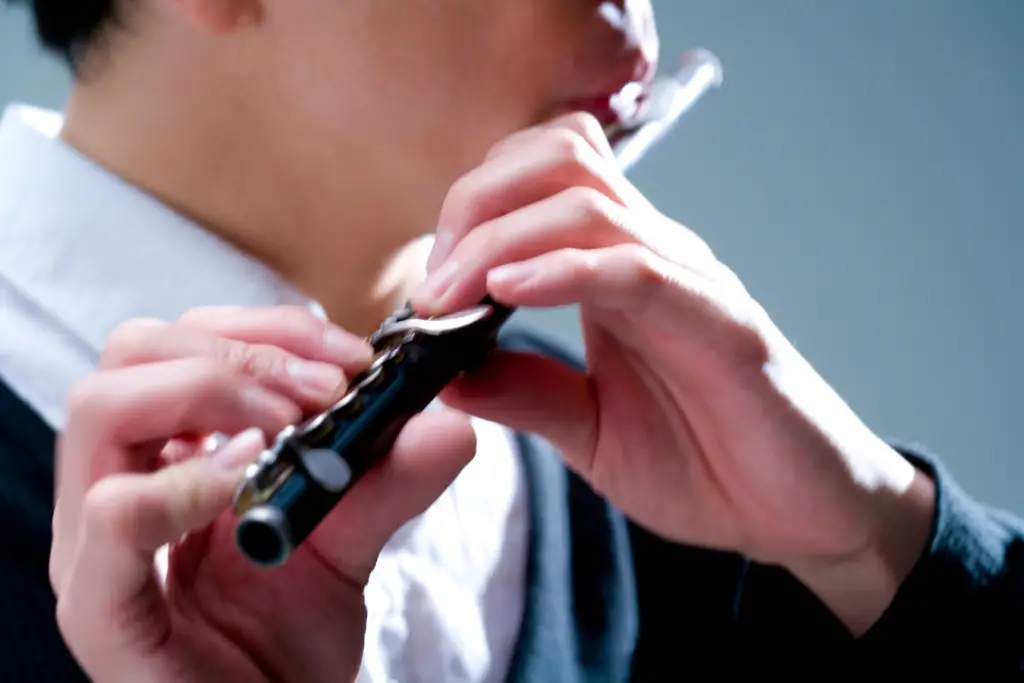
Over-tightening piccolo screws can damage the instrument and affect its performance. Proper assembly requires careful attention to avoid this common pitfall. When tightening piccolo screws, stop as soon as you feel resistance and never force the components together.
Assembling a piccolo requires a gentle touch and an understanding of the instrument’s delicate nature. Musicians should twist the headjoint and body together slowly, allowing the parts to align naturally. This approach prevents damage to the piccolo’s components and ensures optimal sound quality.
For musicians working with aftermarket headjoints or in extreme temperatures, extra caution is necessary. These factors can affect how easily the parts fit together, making it even more crucial to avoid over-tightening. By taking a patient, measured approach to assembly, piccolo players can maintain their instrument’s integrity and enjoy its full musical potential.
Understanding Piccolo Mechanics
The piccolo’s delicate construction requires careful handling and maintenance. Knowing the instrument’s components and common causes of over-tightening helps prevent damage during assembly and adjustments.
Components and Their Functions
The piccolo consists of several key parts working together. The body houses the tone holes and mechanism. Keys and rods control airflow and pitch. Springs provide tension for key movement. Screws hold everything in place.
The headjoint contains the embouchure hole where air enters. It attaches to the body via a tenon and socket joint. Proper alignment is crucial for optimal playability.
Pads seal the tone holes when keys are pressed. They’re held in place by key cups and screws. Correct pad seating affects intonation and response.
The piccolo’s compact design requires precise assembly. Each component plays a vital role in producing the instrument’s characteristic high-pitched sound.
Common Causes of Over-Tightening
Inexperience often leads to over-tightening. Players may wrongly assume tighter screws improve stability. This can damage threads and warp parts.
Fear of loose screws during performance can prompt excessive tightening. However, properly adjusted mechanisms rarely come loose.
Using incorrect tools is another culprit. Screwdrivers too large for piccolo screws can strip them. Specialized piccolo screwdrivers prevent this issue.
Adjusting the embouchure by over-tightening headjoint screws is ineffective and harmful. Proper embouchure technique, not mechanical force, produces optimal tone.
Neglecting regular maintenance can lead to corrosion or debris buildup. This may tempt players to tighten screws excessively as a quick fix.
Proper Screw Tightening Technique
Mastering the art of screw tightening is crucial for maintaining the integrity of piccolo screws. Proper technique involves using the right tools, following a specific sequence, and accurately determining tightness.
The Right Tools
Selecting appropriate tools is essential for proper screw tightening. A precision screwdriver set with various tip sizes is ideal for piccolo screws. These sets often include flat-head and Phillips-head options.
Screwdrivers with rotating caps allow for better control and prevent over-tightening. Some musicians prefer torque screwdrivers for consistent tightening.
It’s important to ensure the screwdriver tip fits snugly in the screw head. A poorly fitting tool can damage the screw or slip during tightening, potentially harming the instrument.
Tightening Sequence
Following a proper tightening sequence ensures even pressure distribution and prevents warping. For piccolo screws, this typically involves a cross-pattern approach.
- Start with corner screws
- Move to the center
- Tighten remaining screws in a circular pattern
This method helps maintain alignment and reduces stress on the instrument’s body. Tightening screws gradually in multiple passes is preferable to fully tightening each screw in one go.
Musicians should always consult their instrument’s manual for specific tightening sequences, as these can vary between piccolo models.
Determining Tightness
Achieving the right level of tightness is crucial for piccolo screws. Over-tightening can damage the instrument, while under-tightening may cause loose parts or air leaks.
One effective method is the “feel” technique. As the screw tightens, there’s a noticeable increase in resistance. Stop tightening when this resistance becomes significant, but before it feels forced.
For more precise control, some professionals use torque-controlled tools that limit applied force. These tools can be calibrated to the specific requirements of piccolo screws.
Regular checks and adjustments are necessary to maintain proper tightness. Environmental factors like temperature and humidity can affect screw tension over time.
Maintenance Tips to Prevent Over-Tightening
Proper maintenance is crucial for preventing over-tightening of piccolo screws. Regular care and careful adjustment techniques help preserve the instrument’s delicate mechanisms.
Regular Cleaning and Lubrication
Cleaning your piccolo regularly removes dirt and debris that can interfere with screw function. Use a soft, lint-free cloth to gently wipe down the body and keys after each playing session.
For deeper cleaning, disassemble the piccolo according to manufacturer instructions. Clean each part separately, paying special attention to the screw areas.
Apply a small amount of key oil to the screws every few months. This prevents corrosion and reduces friction, making it easier to adjust screws without over-tightening.
Be cautious not to over-lubricate, as excess oil can attract dust and grime. A single drop per screw is usually sufficient.
Screw Adjustment Best Practices
When adjusting piccolo screws, use the appropriate screwdriver size to avoid damaging the screw head. Turn screws slowly and carefully, paying attention to resistance.
Stop tightening when you feel a slight resistance. This indicates the screw has reached its optimal position. Avoid applying excessive force, which can strip the threads or damage the instrument.
For precise adjustments, consider using a torque screwdriver calibrated for piccolo screws. This tool helps maintain consistent tension across all screws.
Regularly check screw tightness during practice sessions. Loose screws should be gently tightened, while overly tight screws may need slight loosening to prevent damage.
Troubleshooting and Professional Care
Proper maintenance and timely intervention are crucial for preserving your piccolo’s performance and longevity. Regular checks and expert assistance can prevent damage from overtightened screws.
Recognizing Signs of Excessive Tightness
Over-torquing piccolo screws can lead to several noticeable issues. Players should watch for:
• Difficulty in key movement • Unusual resistance when pressing keys • Visible stress marks around screw areas • Slight warping or bending of metal components
If the piccolo produces a muffled sound or experiences sudden changes in intonation, it may indicate overly tight screws. These symptoms often result from restricted pad movement or altered instrument alignment.
Regular visual inspections can reveal early signs of trouble. Players should examine screw heads for any signs of stripping or deformation, which suggest excessive force has been applied.
When to Seek Professional Repairs
Professional intervention becomes necessary when:
- Home adjustments fail to resolve issues
- Multiple keys exhibit problems simultaneously
- Visible damage appears on the instrument body
Fastener damage from over-tightening may require specialized tools and expertise to address. Repair technicians possess the skills to safely remove damaged screws without harming the instrument.
Annual maintenance by a qualified technician is recommended. These experts can perform comprehensive evaluations, identifying and correcting tightness issues before they escalate into serious problems.
For vintage or particularly valuable instruments, more frequent professional check-ups may be advisable to ensure optimal condition and prevent irreversible damage from screw-related issues.