
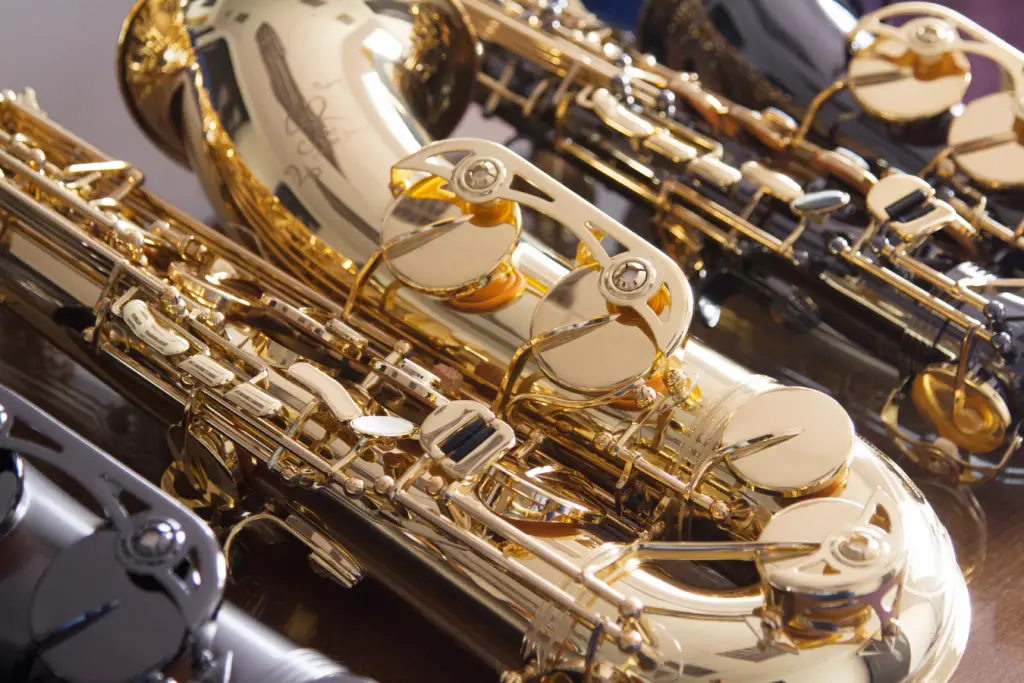
Upgrading a saxophone is a common consideration for musicians as their skills improve. Many players wonder if their current instrument is holding them back or if investing in a higher-quality model will enhance their performance.
The decision to upgrade a saxophone depends on individual factors such as playing level, musical goals, and budget. For beginners, a starter instrument can be suitable for several years of practice and development. As players advance, they may find that upgrading provides additional features and improved sound quality that support their musical growth.
Before considering an upgrade, saxophonists should assess their current skill level and consult with their instructor. Upgrading the mouthpiece can often be a cost-effective first step to improve sound and performance. If a player’s abilities have surpassed their instrument’s capabilities, it may be time to explore intermediate or professional-level saxophones that offer enhanced intonation, tone, and playability.
Understanding Saxophone Progression
Saxophone skill development involves a combination of technical proficiency, musical interpretation, and instrument quality. As players advance, their needs may evolve, potentially necessitating equipment upgrades.
Factors Determining Upgrade Needs
A saxophonist’s current skill level plays a crucial role in determining upgrade needs. Beginners often start with student models that are durable and easy to play. As skills improve, players may require instruments with better intonation and responsiveness.
Practice frequency and intensity also impact upgrade timing. Those who practice regularly and intensively may outgrow their instruments faster. Advanced players might find their current saxophone holding them back from achieving desired tonal qualities or technical precision.
Musical goals and genres are essential considerations. Jazz musicians might prioritize different features compared to classical players. Some saxophones excel in specific styles, making them more suitable for particular musical directions.
Common Milestone Indicators
Consistent tone production across all registers often signals readiness for an upgrade. When players can maintain a clear, controlled sound throughout the instrument’s range, they may benefit from a more responsive saxophone.
Technical proficiency in challenging pieces is another indicator. If a saxophonist can comfortably execute complex passages but feels limited by their instrument, it might be time to consider an upgrade.
Participation in advanced ensembles or competitions can necessitate better equipment. Higher-level performances often demand instruments capable of producing nuanced tonal colors and precise intonation.
Feedback from instructors or professional musicians can provide valuable insight. Experienced players can often identify when an instrument is limiting a student’s progress.
Choosing the Right Saxophone
Selecting an appropriate saxophone involves considering the player’s skill level, instrument quality, and ergonomic factors. The right choice can significantly impact a musician’s progress and enjoyment.
Student vs. Professional Models
Student saxophones are designed for beginners and intermediate players. They’re typically more affordable and durable, with simpler key systems. These instruments often have nickel-plated keys and are made of yellow brass.
Professional models offer superior sound quality and intonation. They’re crafted with higher-grade materials like red brass or bronze. The key work is more intricate, allowing for greater technical flexibility.
Upgrading to a professional saxophone may be necessary when a player’s skills surpass their instrument’s capabilities. This transition can unlock new tonal possibilities and improve overall performance.
Material and Build Considerations
Saxophone bodies are usually made of brass, but the type and quality can vary. Yellow brass is common in student models, while professional saxophones often use red brass or bronze for a richer tone.
The finish can affect both appearance and sound. Lacquered finishes protect the brass and provide a bright tone. Silver-plated saxophones offer a darker, more complex sound.
Ribbed construction refers to how the key posts attach to the body. Most modern saxophones use this method, which increases durability and stability.
Key materials also matter. Nickel-plated keys are standard on student models, while professional saxophones often feature silver-plated or solid silver keys for improved response and longevity.
Ergonomics and Playability
A comfortable saxophone is crucial for extended practice and performance. The weight and balance of the instrument should allow for easy handling and minimal strain.
Key placement and size impact playability. Professional models often have more ergonomic key layouts, facilitating faster and more precise fingering.
Adjustable thumb rests and neck straps can greatly enhance comfort. Some high-end saxophones feature customizable key heights to suit individual players’ hands.
The mouthpiece and ligature also affect playability. Quality mouthpieces can improve tone production and make hitting high notes easier. Metal ligatures often provide better reed control than fabric ones.
Investing in Your Development
Upgrading your saxophone can significantly impact your musical journey. The decision involves careful consideration of both financial aspects and your current skill level.
Balancing Cost and Quality
A quality instrument can enhance your playing experience and motivate you to practice more. Professional-grade saxophones often come with a hefty price tag, but they offer superior sound and playability.
Beginners may not need to invest in top-tier instruments immediately. Many intermediate models provide excellent value for advancing players.
Consider your long-term goals. If you’re committed to playing for years to come, a higher-quality saxophone could be a wise investment.
Financing options or purchasing used instruments can make better saxophones more accessible.
When to Consult a Professional
Seeking advice from experienced players or instructors can provide valuable insights. A knowledgeable teacher can assess your current skill level and recommend appropriate upgrades.
Music store professionals can offer demonstrations of different saxophone models. This allows you to compare sound quality and feel.
Attend saxophone workshops or masterclasses. These events often feature various instruments and can help you make informed decisions.
Consider renting or borrowing different saxophones before making a purchase. This hands-on experience can clarify your preferences and needs.